






The Flores Settlement Agreement (FSA), in effect since 1997 as a result of the Flores v. Reno case, establishes national standards for the detention, health conditions and release of immigrant minors.
It obliges the government to keep children in the least restrictive environment possible and to release them promptly to relatives or legal guardians, ensuring medical care, clean water, food, hygiene and protection from abuse.
Origins: the Flores case
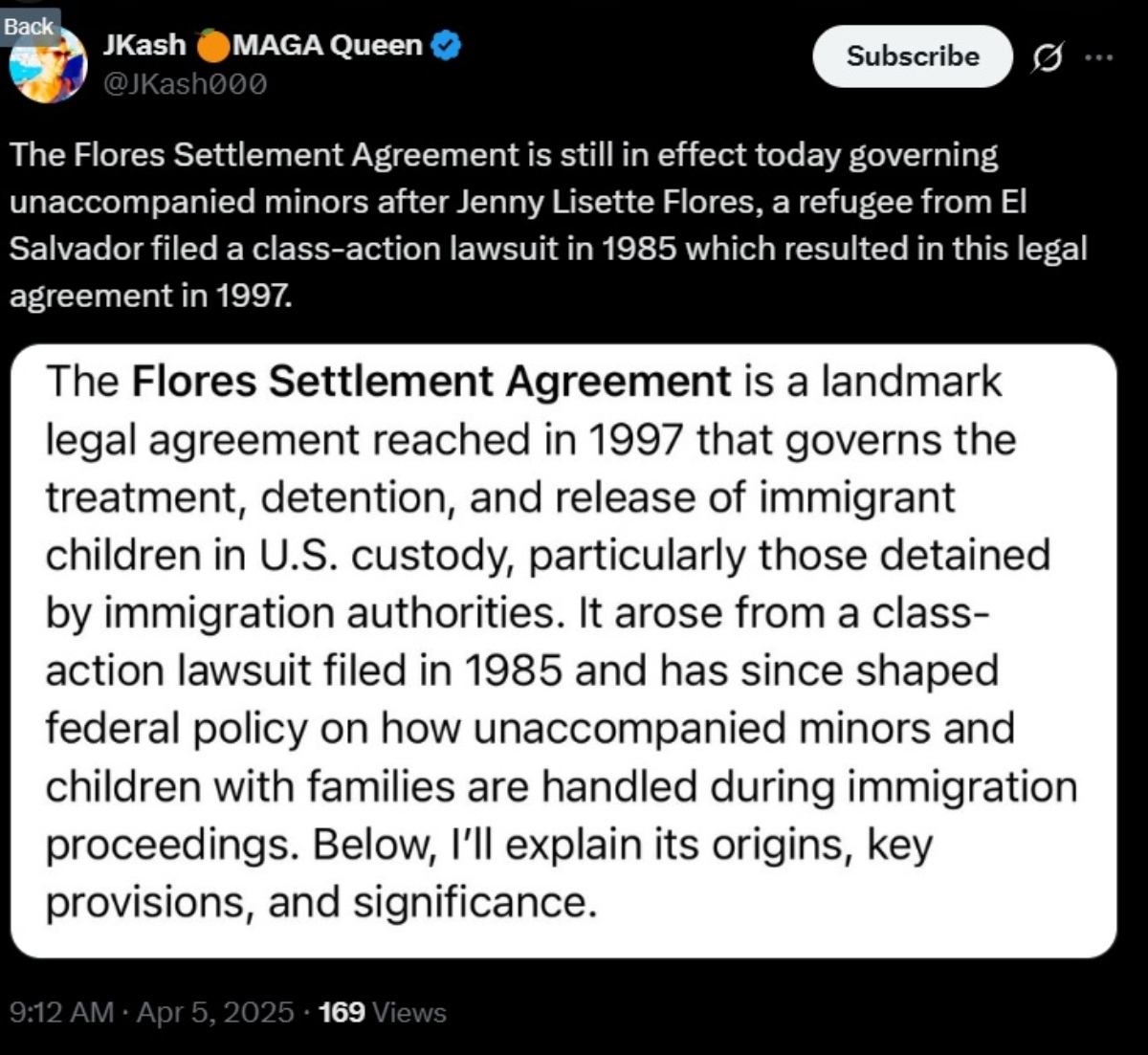
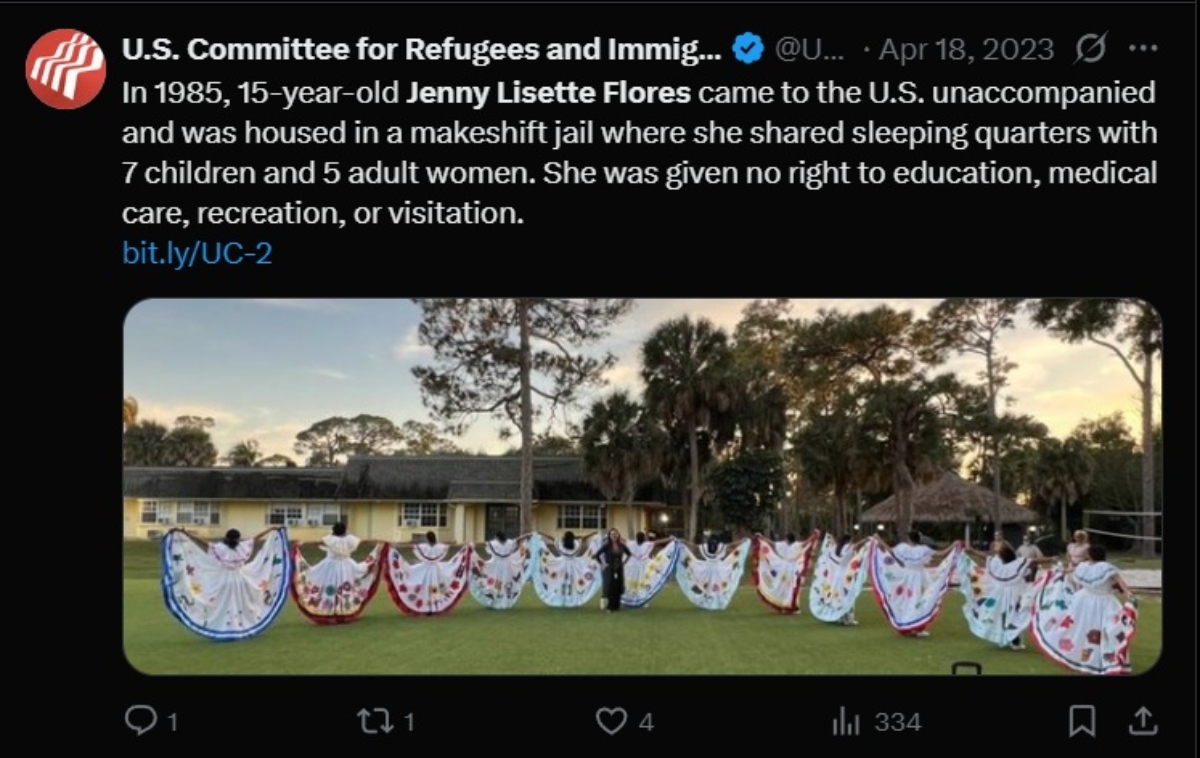
The case began in 1985 when Jenny Lisette Flores, a 15-year-old Salvadoran minor, was detained by the INS in facilities with adults and subjected to precarious conditions.
A class action lawsuit alleged violations of their “Equal Protection” and “Due Process” rights.
After several court decisions, the federally supervised Flores Agreement was signed in 1997 and remains in force to this day.
How to protect migrant children
The agreement states that minors must be:
Housed in safe and sanitary facilities,
Released without unnecessary delay to family or guardians,
Prioritized for family reunification,
Attended to with basic standards of care and medical supervision.
Although initially temporary, it is still active because the government has never regulated permanent standards.
Trump Administration wants to eliminate it
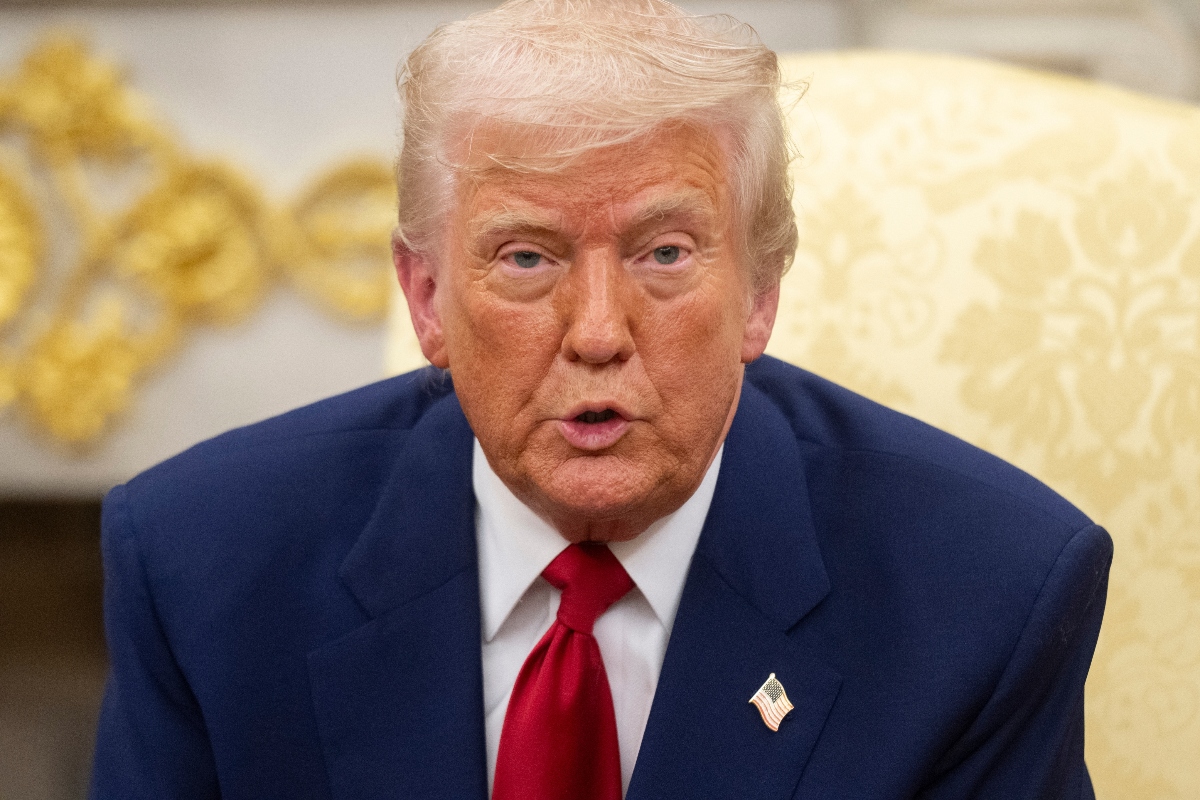
On May 22, 2025, the Department of Justice filed a motion to terminate the Flores Settlement in the Central District Court of California.
They argued that new regulations already incorporate their goals and that the agreement limits executive flexibility.
This is the second time a Trump administration has sought to eliminate it; the first in 2019 was blocked by Judge Dolly Gee and the Ninth Circuit Court.
The case began in 1985
QuéOnnda.com
Criticism and reactions

Immigrant rights organizations have filed legal challenges arguing that terminating the Flores Agreement would put minors at risk.
They warn that this would open the door to indefinite detention in facilities without judicial oversight or clear standards.
Lawyers like Mishan Wroe warn that children’s dignity and safety are being sacrificed in favor of a political agenda.
For its part, the Trump administration argues that the agreement discourages legal immigration and that regulations already exist that cover the essentials of dealing with minors, making the FSA unnecessary.
For migrant families and community organizations, the future of the Flores Agreement is crucial.
If terminated, it would increase the risk of prolonged detention, lack of judicial oversight and inadequate conditions in border centers.
In contrast, maintaining the agreement guarantees minimum standards of protection and prompt release for minors in custody.
For more information, visit QuéOnnda.com.