





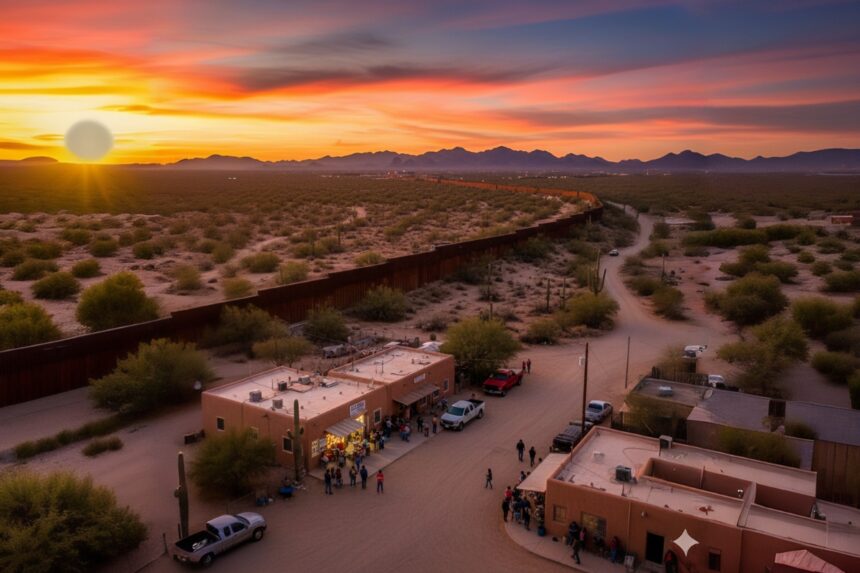
On the 2026 electoral chessboard, Arizona is not just another state; it is the epicenter of political tension. With a Latino population that already exceeds 30% of the electorate, the “Grand Canyon State” has become the battleground where the border vote has the final say.
What happens in counties like Santa Cruz, Yuma and Pima will not only affect Arizona, but will tip the scales for the entire nation.
Arizona Latino Vote 2026: The Thermometer of the Hispanic Voter
Unlike other states, the Hispanic voter in Arizona is not a monolithic bloc.
In border communities, security and economics are two sides of the same coin.
While Democratic sectors are betting on humane immigration reform and technological solutions in the wall, the Republican discourse has gained ground promising “law and order” to protect local businesses and stop the flow of fentanyl.
The Maricopa Phenomenon
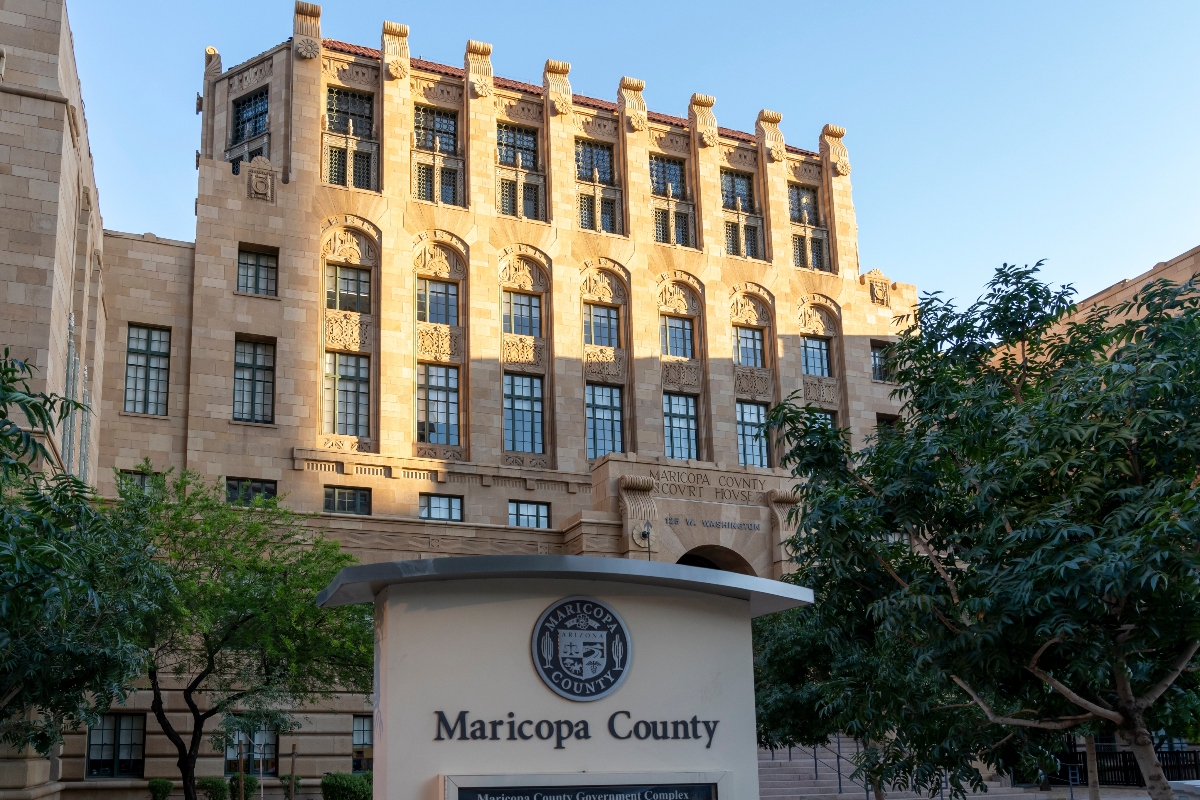
We can’t talk about Arizona without mentioning the giant: Maricopa County.
This is where 60% of the state’s voters reside.
The explosive growth of young Latino families in cities like Mesa and Glendale has transformed a former conservative stronghold into highly volatile territory.
In an election that is expected to be decided by less than 10,000 votes, any small change in Hispanic turnout is literally the difference between victory and defeat.
Economics vs. Rhetoric
For the QuéOnnda reader living in Phoenix or Tucson, the priority is clear: housing costs and inflation.
Both parties know this.
On the one hand, it seeks to mobilize the youth vote with promises of access to health care; on the other hand, it appeals to the Latino small businessman who fears excessive regulations.
In Arizona, whoever succeeds in convincing the voter that his or her pocketbook will be safer will win the valuable electoral votes in the November 2026 midterm elections.
Filed under: Arizona Latino Vote 2026