





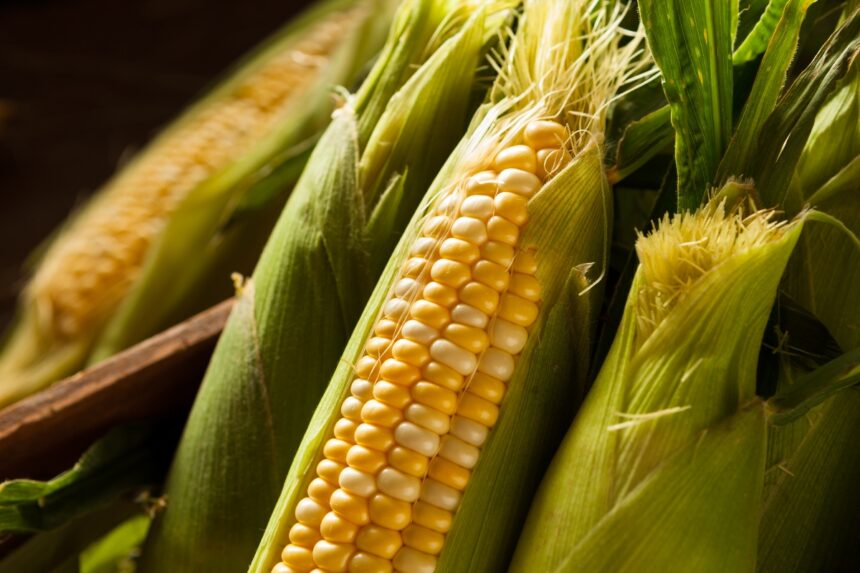
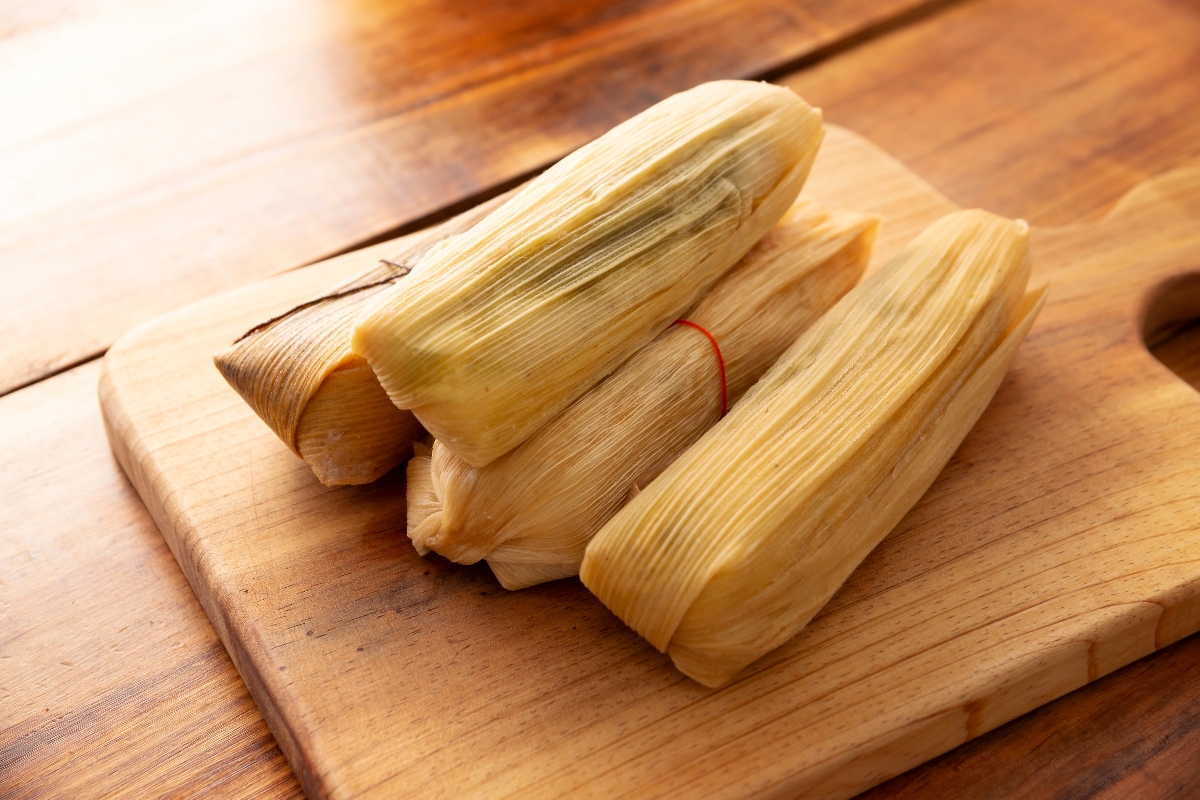
Corn is much more than a staple food in Latin culture: it is history, identity and sustenance. Present in tortillas, tamales, arepas, pupusas, atoles and many other traditional dishes, this grain has accompanied Latin American communities for thousands of years.
However, as with any food, its impact on health depends on how it is consumed, in what quantity and under what process.
A food with nutritional value
Natural corn is a good source of complex carbohydrates, which provide sustained energy to the body.
It also contains fiber, especially when consumed whole or minimally processed, which helps improve digestion and prevent constipation, a common problem in older adults.
It also provides B-complex vitamins – such as thiamine (B1) and niacin (B3) – essential for metabolism and nervous system function.
Yellow corn also contains antioxidants, such as lutein and zeaxanthin, which are associated with eye health and the prevention of age-related eye deterioration.
In traditional diets, especially when prepared by nixtamalization (an ancient process using lime), corn improves the absorption of key nutrients such as calcium and reduces the risk of nutritional deficiencies.
The problem is not the corn, but how it is consumed.
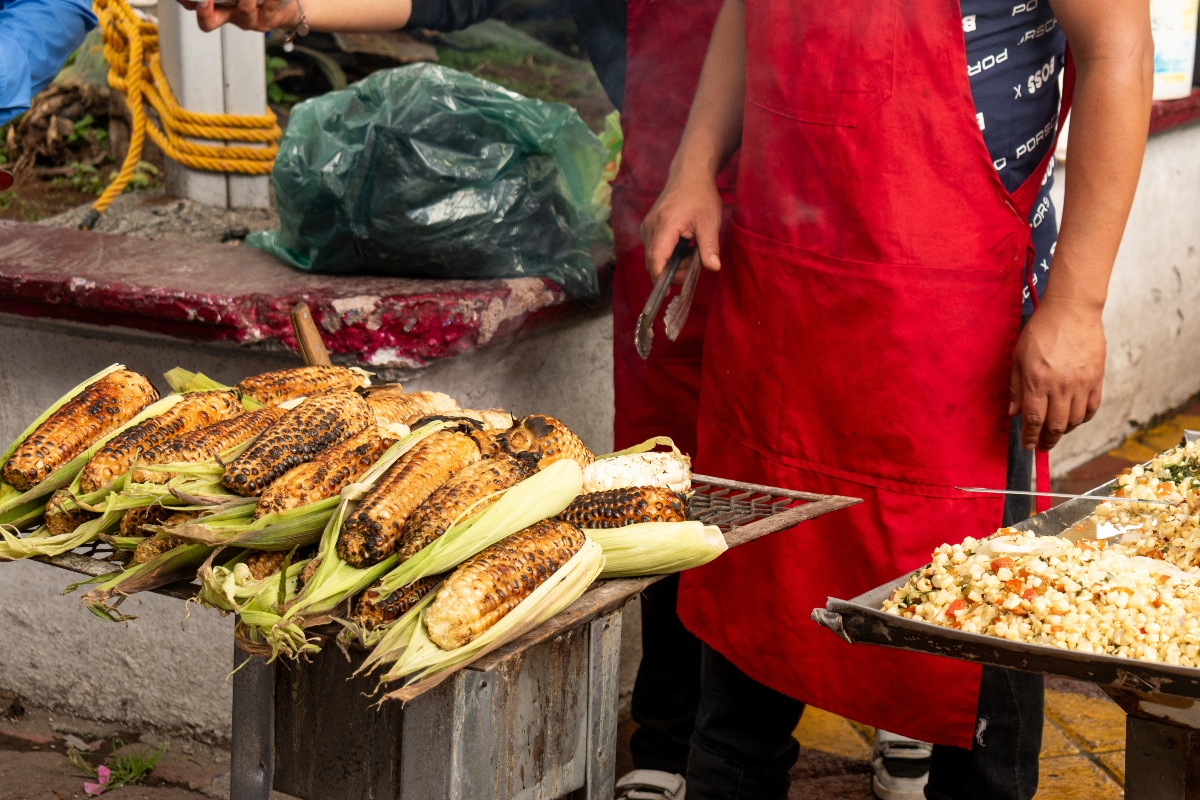
In the United States, much of the corn consumed is not the traditional whole grain, but ultra-processed corn: high fructose corn syrup, snack foods, sugary cereals, industrial tortillas, fried foods and packaged products.
These foods often contain high levels of sodium, unhealthy fats and added sugars, which increase the risk of obesity, type 2 diabetes and hypertension.
For the Latino community, which already faces high rates of these diseases, frequent consumption of processed corn can pose a significant risk if not balanced with a healthy diet.
Corn and weight control
Consumed in its natural form and in adequate portions, corn can be part of a balanced diet.
Fiber helps generate satiety, which can support appetite control.
The problem arises when it is combined with excess fat, as in fried foods, or with large amounts of salt and processed sauces.
Practical recommendations for a healthier diet
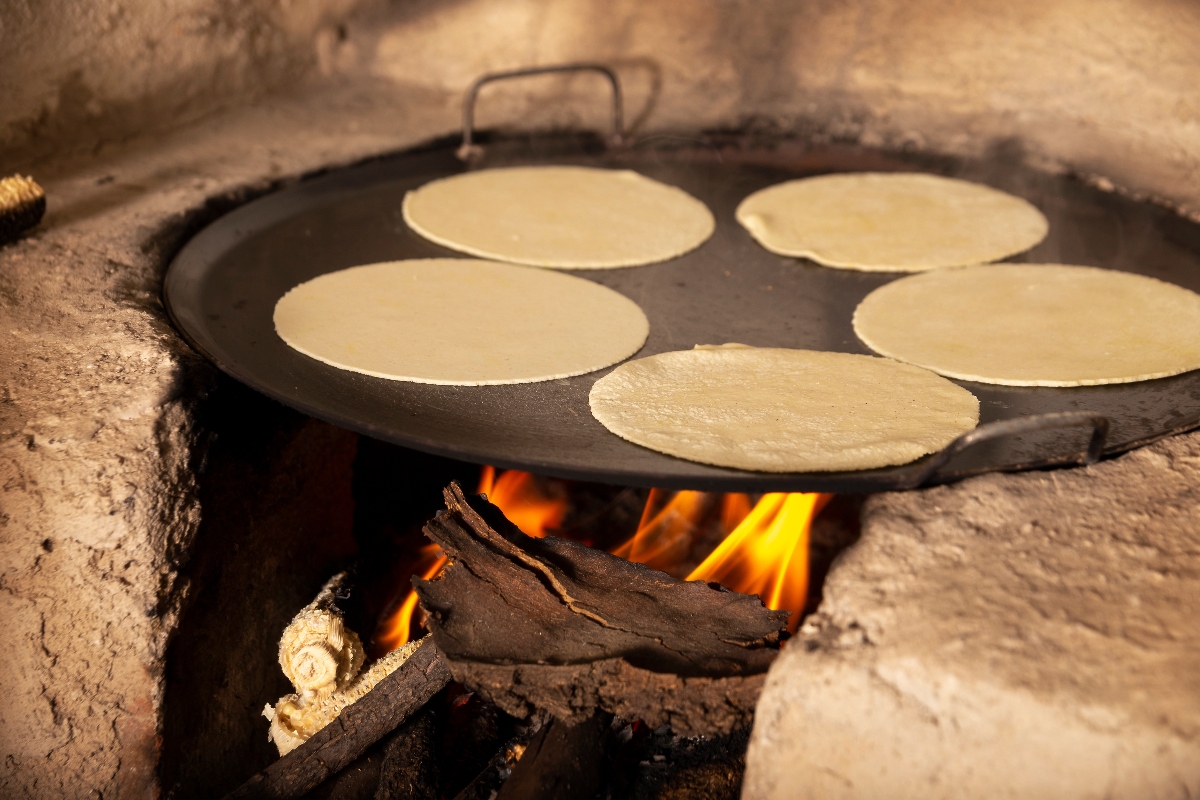
Prioritize traditional corn tortillas and check that they are made with nixtamalized corn.
Limit consumption of ultra-processed corn-derived products.
Combine corn with protein, vegetables and healthy fats to balance meals.
Moderate portions, especially if you have diabetes or insulin resistance.
If you have intolerances or digestive problems, consult a health professional.
Corn is not the enemy.
Well chosen and prepared, it can be an important ally in a culturally meaningful and healthy diet.
For Latino families in the U.S., the key is to return to traditional preparations, read labels and make informed choices that protect our health without giving up our roots.
Filed under: Corn in the health of Latinos