





The recent attack in Boulder, Colorado, has sparked a national debate about security and immigration in the United States.
The incident, which occurred during a peaceful demonstration, has led the government to reconsider and reinforce its immigration policies, directly affecting the Hispanic community residing in the country.
Attack Details

On June 1, 2025, during a peaceful march in support of hostages in Gaza, an individual identified as Mohamed Sabry Soliman, 45, attacked participants with Molotov cocktails and an improvised flamethrower.
The attack in Boulder, Colorado, left eight people injured, including a Holocaust survivor.
Soliman, an Egyptian national, had entered the U.S. in 2022 on a tourist visa that expired in 2023.
He is currently facing federal charges of terrorism and first-degree murder.
Government response
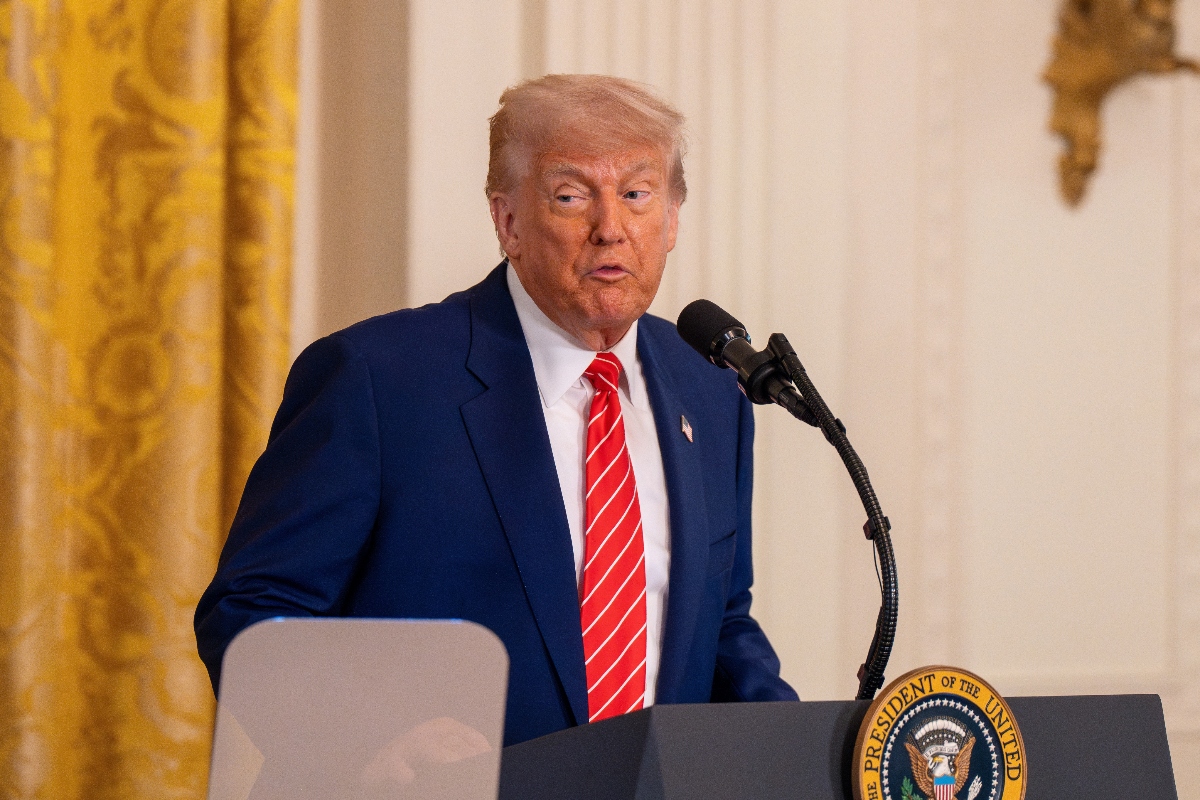
President Donald Trump condemned the attack and announced tougher measures against illegal immigration.
In a statement, he emphasized the need to protect the borders and deport individuals who pose a threat to national security.
Este ataque dejó ocho personas heridas
Karoline Leavitt, White House press secretary, endorsed the president’s remarks.
He noted that those who promote anti-U.S. values or engage in acts of violence will be deported and have their visas revoked.
Implications for Hispanics

These new measures following the attack in Boulder, Colorado, have generated concern among the U.S. Hispanic community.
Especially among those with irregular immigration status.
Civil rights organizations warn of possible racial profiling and unfair deportations.
In addition, there are concerns that these policies may affect asylum seekers and refugees fleeing violence in their home countries.
Recommendations for Immigrants
Maintain Updated Documentation: It is crucial to have all immigration documents in order and up to date.
Know your legal rights: Familiarize yourself with your legal rights and seek advice if you have any doubts.
Avoid Risk Situations: Be cautious and avoid situations that could be interpreted as security threats.
For more information, visit QuéOnnda.com.