




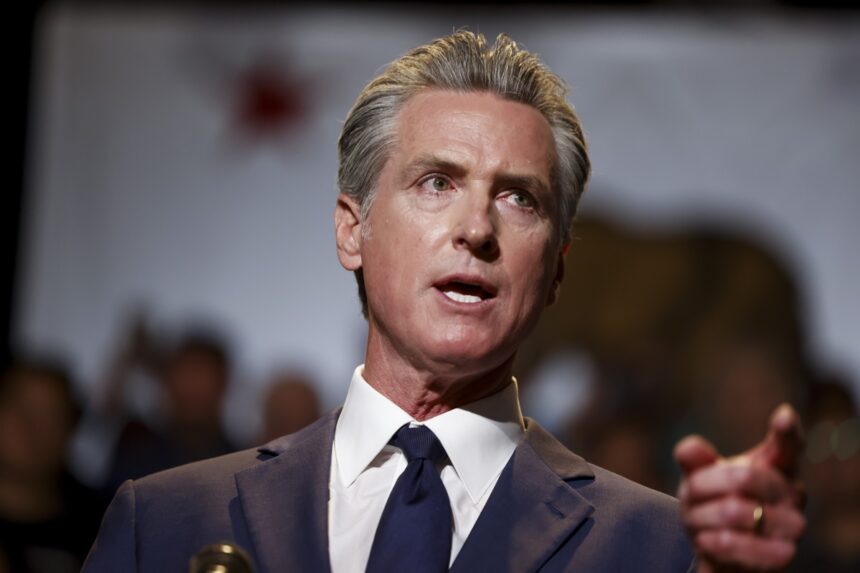
California Governor Gavin Newsom signed into law a bill that prohibits Immigration and Customs Enforcement (ICE) agents from concealing their identity, with the goal of combating the “fear and terror” caused by raids in the state, which will go into effect in January.
Newsom traveled to Los Angeles, the city symbolic of indiscriminate ICE raids, to sign a legislative package that includes the so-called “Anti-Secret Police Act” and other measures limiting immigration agents’ access to schools and hospitals.
California signs anti-Secret Police bill into law
LIVE NOW: Governor Newsom signs historic legislation package to protect immigrant communities, hold Trump accountable. https://t.co/6MyZFQEwwd
– Governor Gavin Newsom (@CAgovernor) September 20, 2025
In a statement, Gavin Newsom’s office noted that this is the first U.S. law that vetoes masked ICE agents.
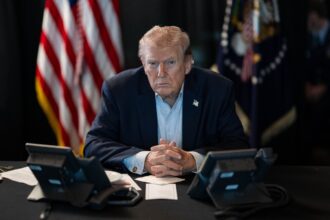
The politician himself accompanied his signature with a note in which he lambasts President Donald Trump’s immigration policies.
“America should never be a country where a masked ‘secret police’ grabs people in the streets and throws them in vans without signs and drives off,” says the Democratic politician.
In this way, he claims that citizens “must know that they are interacting with legitimate agents”.
In this regard, another law, which went into effect immediately, states that Immigration and law enforcement agents must display their name or badge number in the state of California.
And that they may not wear a mask “except if absolutely necessary”.
The measures also mean that ICE agents will need a warrant to access school classrooms, where families will be notified if there is a raid.
They will also need a court order to access hospital emergency rooms.
In addition, they protect student and patient information.
Since this summer, numerous ICE agents deployed in the Trump administration’s arrest and deportation campaign have not identified themselves during their operations, sparking criticism of ethical and legal procedures from migrant organizations.
With information from EFE