





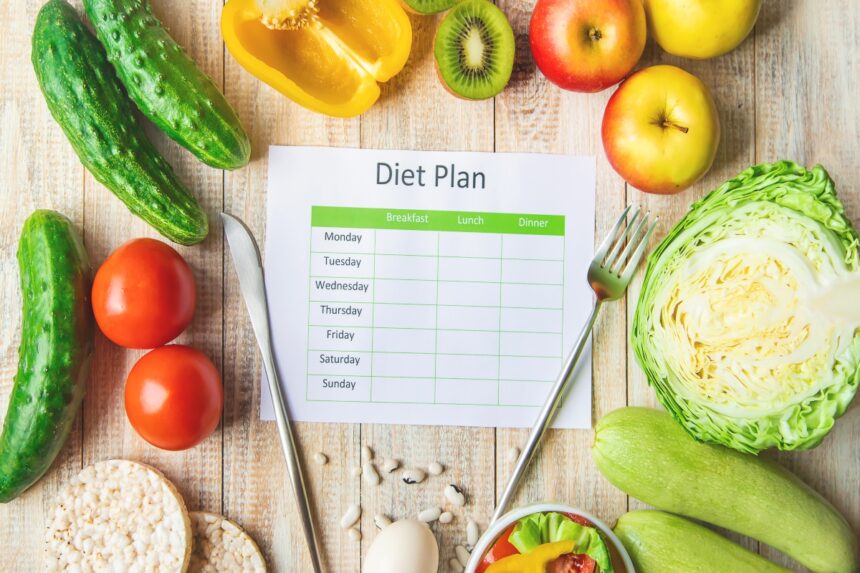
The relationship between diet and mental health is an increasingly relevant topic, especially in the U.S. Hispanic community, where food culture plays a key role in emotional well-being. Maintaining a balanced diet not only benefits the body, but also has a significant impact on the mind.
According to the American Psychological Association (APA), a diet rich in essential nutrients can help reduce the risk of depression and anxiety, conditions that disproportionately affect the Latino community due to socioeconomic and cultural factors.
1. The impact of diet on mental health
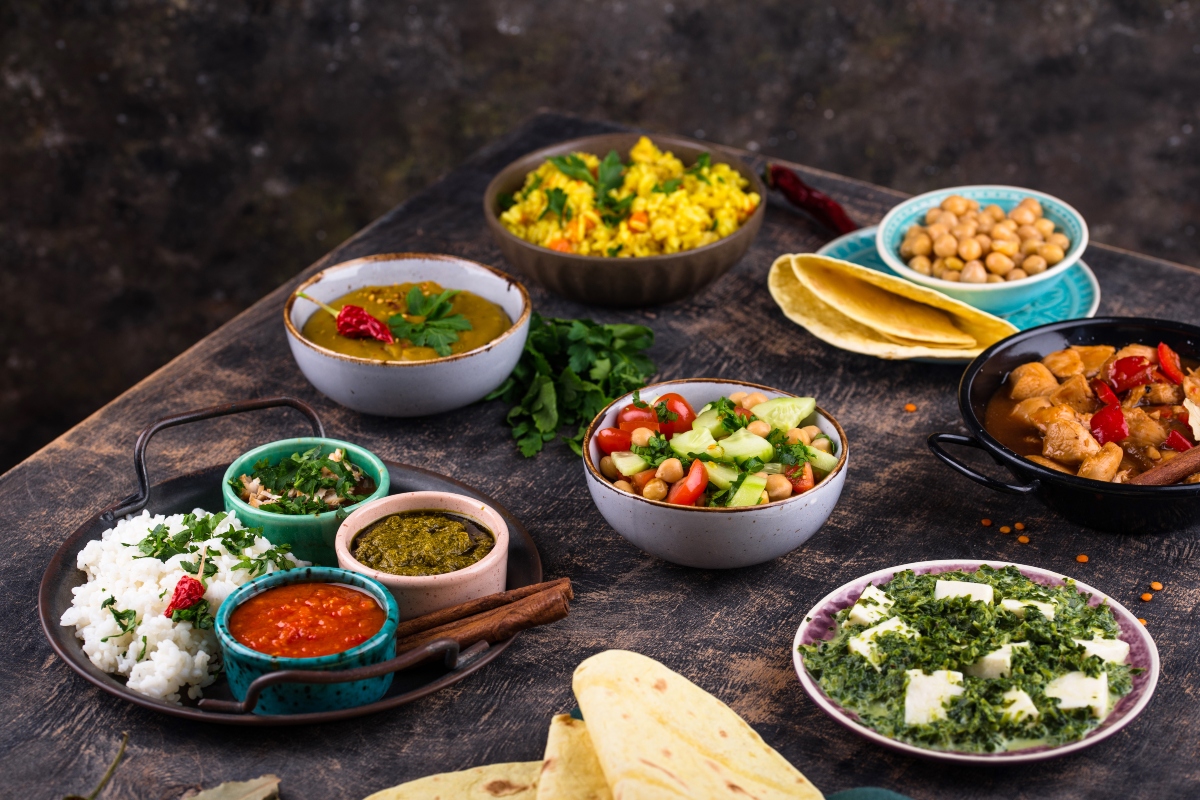
The food we eat has a direct effect on the brain, influencing mood and energy levels.
Essential nutrients for mental well-being:
Omega-3 fatty acids: Present in fish, nuts and avocado, they help reduce brain inflammation.
B-complex vitamins: Found in beans, bananas and spinach, they are key to cognitive functioning.
Probiotics: Present in yogurt and fermented foods, they contribute to a healthy intestine, directly linked to emotional health.
Tip: Including more fresh and natural foods in your daily diet can make a big difference.
2. Dietary challenges in the Hispanic community.

Despite the rich Latino culinary tradition, access to healthy options can be a challenge.
Main barriers:
Lack of access to fresh food in low-income communities.
Preference for processed foods due to convenience.
Lack of information on the relationship between diet and mental health.
Tip: Opt for healthier versions of traditional dishes, such as using olive oil instead of butter.
3. Tips for improving diet and emotional well-being
Adopting healthy eating habits can have a positive impact on mood and quality of life.
Practical recommendations:
Prepare meals at home with natural ingredients.
Include more fruits and vegetables at each meal.
Stay hydrated to improve brain function.
Avoid excess refined sugars and ultra-processed foods.
Hacer pequeños cambios en la dieta puede llevar a mejoras significativas en el bienestar mental
QuéOnnda.com
4. Resources available for healthy eating

There are community programs that offer support and resources to encourage a balanced diet in the Latino community.
Some options include:
Food assistance programs such as SNAP and WIC.
Community health clinics that offer free nutrition education.
Support groups to share recipes and healthy tips.
Food has a direct impact on the mental health of the Hispanic community. Adopting healthier habits and accessing available resources can help improve everyone’s emotional and physical well-being.
Find out more at QuéOnnda.com.