





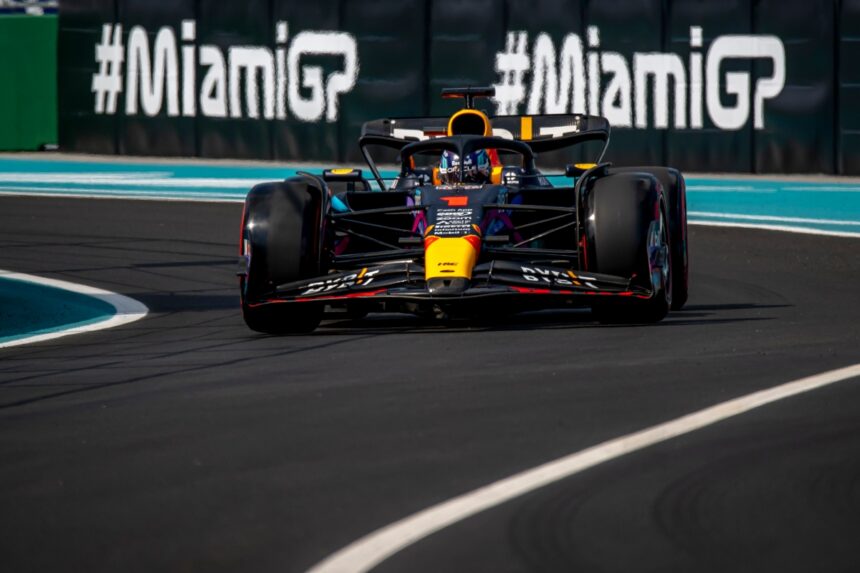
Formula 1 will undergo major changes starting with the 2026 Miami Grand Prix, after the Federation Internationale de l’Automobile(FIA) responded to growing concerns about safety, performance and spectacle. The changes follow meetings between the governing body, teams and engine manufacturers, amid criticism from drivers and fans.
The Miami GP, scheduled for May 1-3, will be the venue where these adjustments, which still require final validation by the World Motor Sport Council, will begin to be implemented.
Electricity system changes: less extremes, more consistency
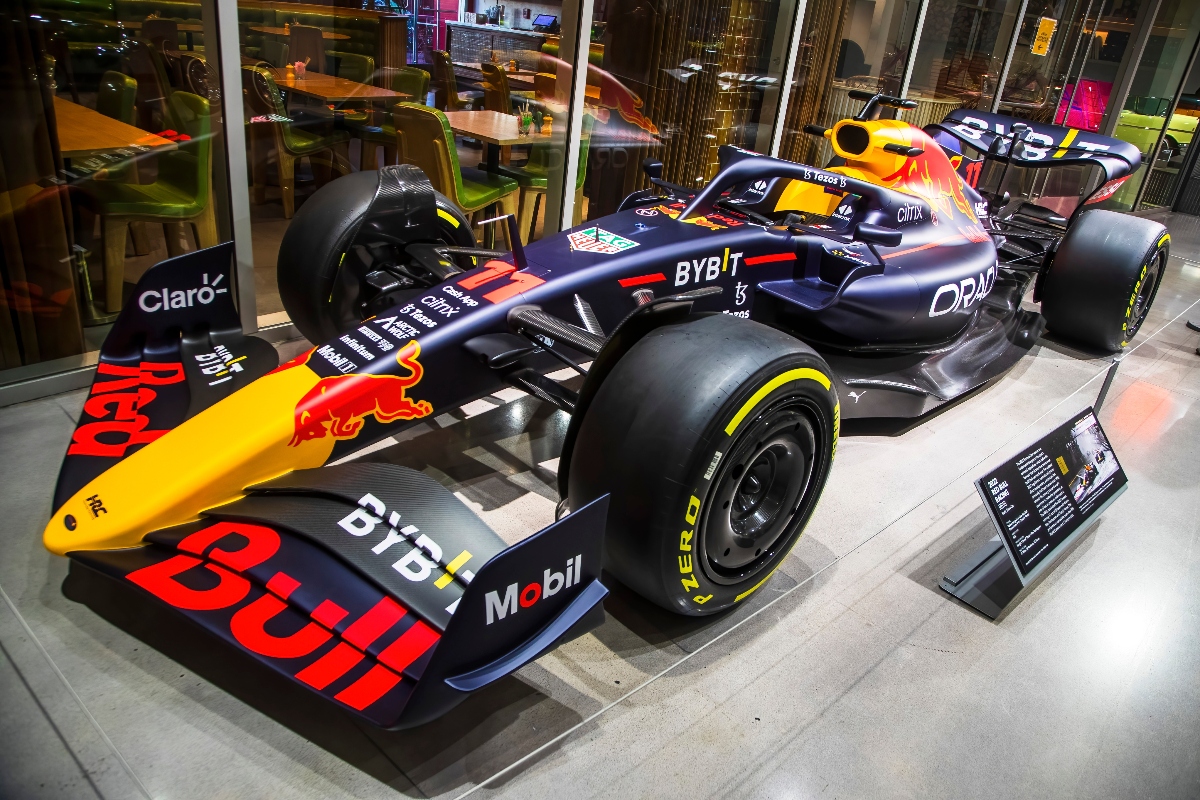
One of the main adjustments focuses on the hybrid system.
The FIA decided to reduce the maximum energy recharge from 8 MJ to 7 MJ, which aims to avoid irregular power peaks and provide a more stable performance during the lap.
In addition, the so-called “Superclip” – a temporary power boost controlled by the driver – will have a shorter duration, between two and four seconds per lap.
However, its power output will increase to 350 kW, compared to the 250 kW used in the first races of the year.
In practical terms, this means that the cars will have a more uniform power delivery.
Reducing the abrupt differences in speed that have generated risky situations on the track (Filed as: Formula 1 Grand Prix of Miami).
More safety in races and exits
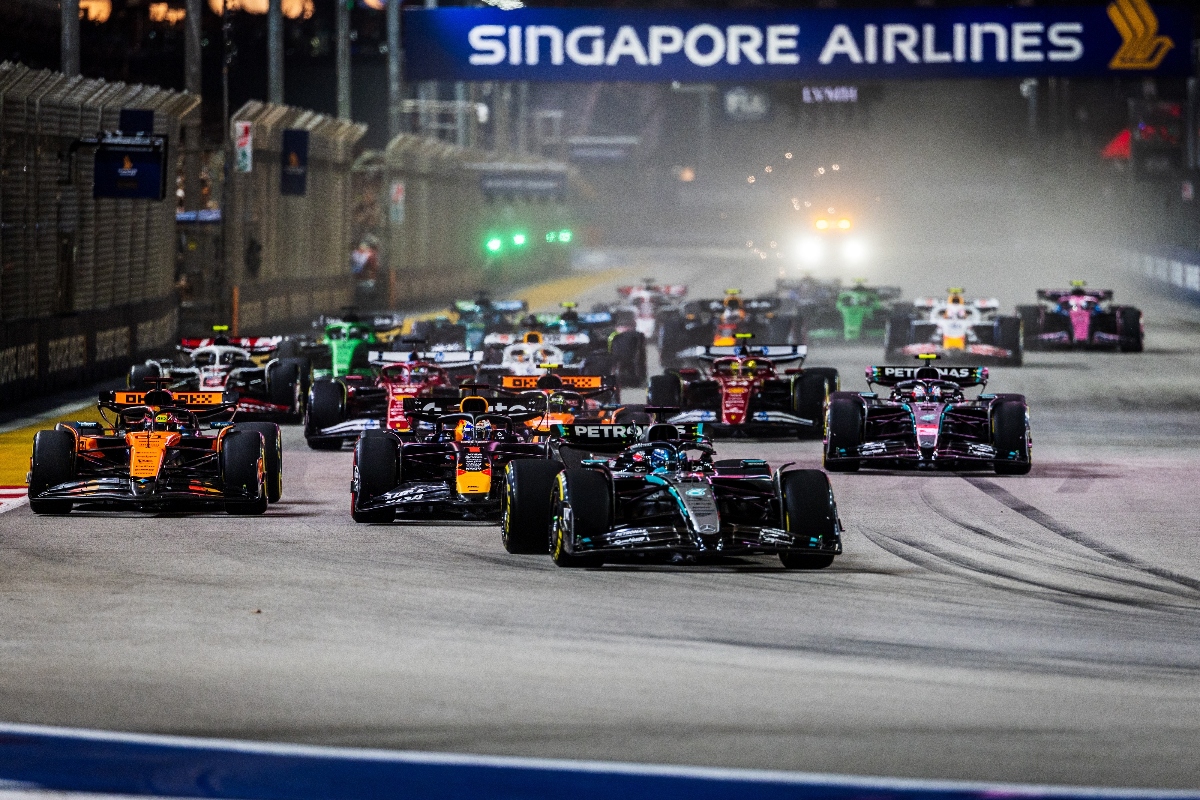
The modifications also directly target safety.
The operation of the MGU-K system, which will offer 350 kW in acceleration, will be adjusted.
But it will be limited to 250 kW at other times, with the aim of avoiding dangerous approach speeds.
These changes are in response to recent incidents on the track, where differences in speed caused high-risk maneuvers.
As for start-ups, a low-power detection system will be implemented.
If a single-seater malfunctions at startup, the system will automatically release energy to move the car and prevent accidents.
Visual signals with flashing lights will also be incorporated to alert other drivers (Filed under: Formula 1 Miami Grand Prix).
Formula 1 will undergo major changes
QuéOnnda.com
Rain adjustments and race strategy
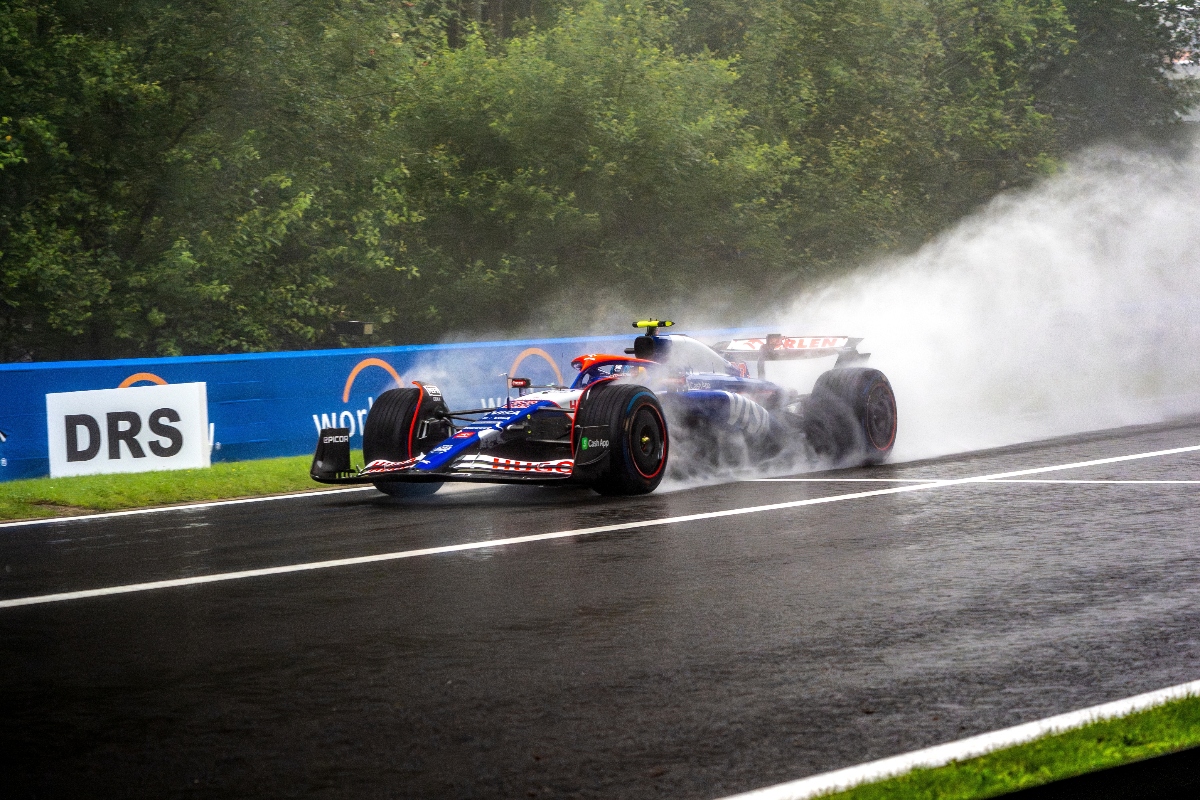
Another key issue will be performance in wet conditions.
The drivers have pointed out that the intermediate tires take too long to reach optimum temperature.
To address this, a longer warm-up will be allowed, improving grip from the first few laps.
In addition, the use of alternative energy limits will be expanded from eight to 12 Grands Prix, which will directly impact race strategy and energy management.
For more information, visit QuéOnnda.com.