





Fraud related to government stimulus checks is on the rise and fraudsters have found increasingly sophisticated ways to trick people. According to the Federal Trade Commission(FTC), financial fraud in the U.S. has increased 70% in the last two years, and the Hispanic community is one of the hardest hit.
If you expect to receive a stimulus check or any other government benefit, it is essential that you know the signs of scams and how to protect yourself. Here at QueOnnda.com we explain how to avoid falling into these traps.
1. The government will never call you
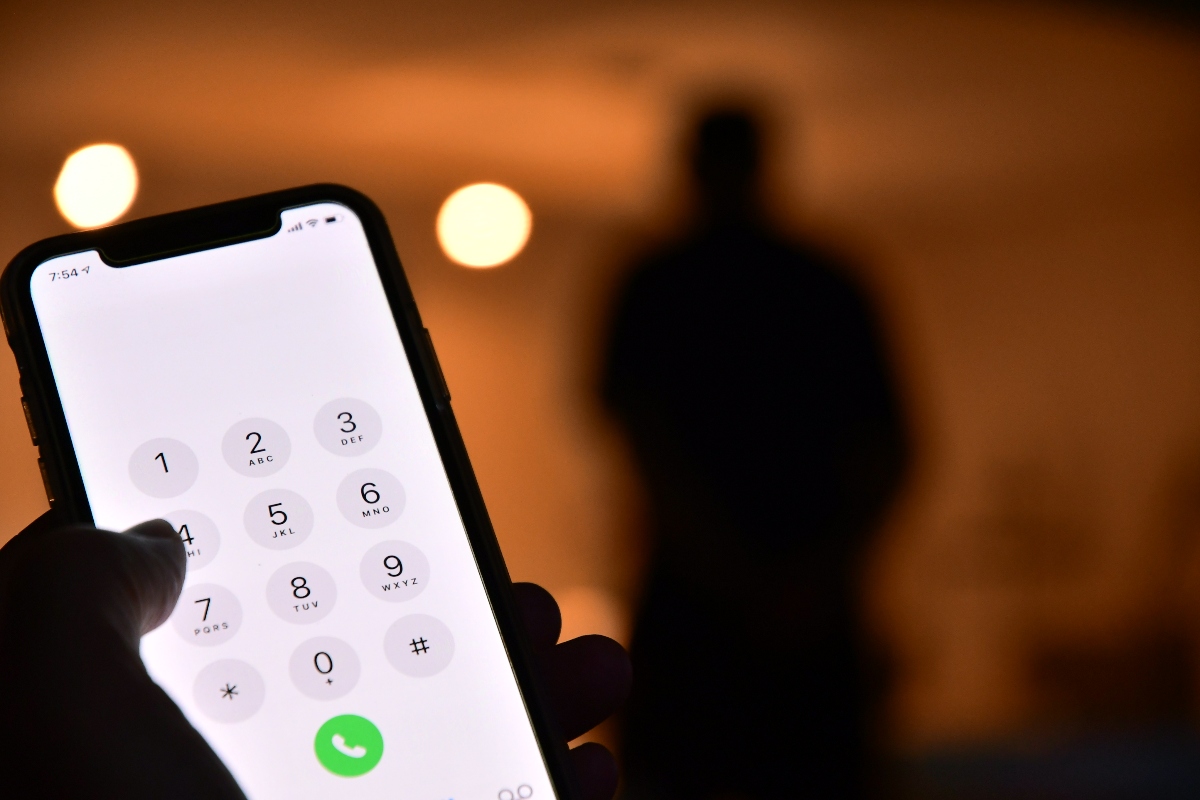
One of the most common scams is calls or text messages purporting to come from the IRS or the Treasury Department.
Scammers tell you that you need to “verify” your information to receive the check or that you must pay a “processing fee”.
What you should know:
The government will NEVER call you or send you messages about your checks.
All official IRS communications arrive by mail.
If you receive a suspicious call, hang up immediately and report it to the FTC at reportfraud.ftc.gov.
Do not share your information

Scammers may ask for your Social Security Number (SSN), bank details or even details of your tax return under the pretext that it is needed to process your payment. Don’t fall for it.
To protect yourself:
Never share your SSN or bank information over the phone or email.
If someone asks you for this information, hang up and report it.
Go directly to the official IRS website at irs.gov to verify any information.
If someone asks you for personal information or promises to speed up the payment of your check in exchange for money, it is a red flag
FTC
3. Do not deposit suspicious checks
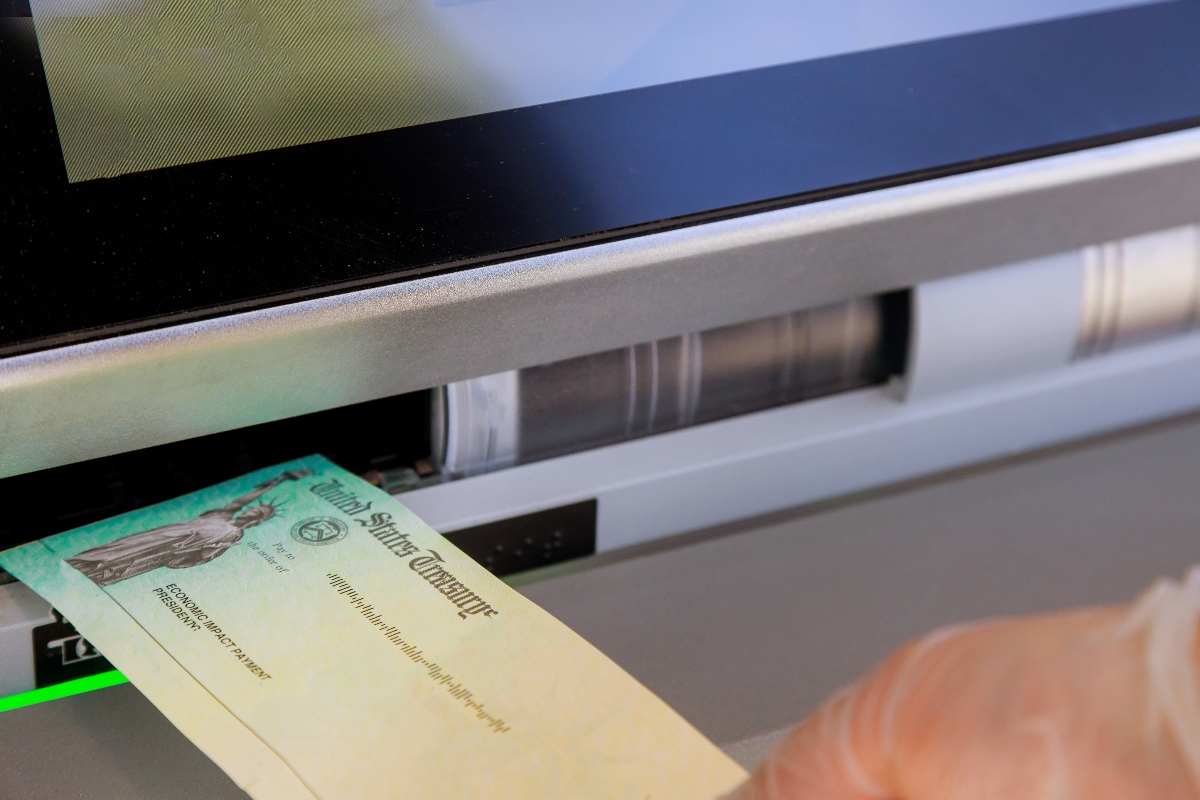
Another common scam is when fraudsters send fake checks for amounts larger than you should receive and ask you to pay back the “difference”.
Weeks later, the bank reports that the check is fraudulent and you are responsible for the loss.
Watch out for this!
If you receive an unexpected check, verify its authenticity before depositing it.
Do not wire or send gift cards to anyone who promises to speed up your payment.
Remember that the government only issues checks through the IRS or official direct deposits.
4. Always check official sources

Scammers create fake web pages that mimic the IRS site to steal your information. If you need to check the status of your stimulus check, use only official sources:
Official IRS website: irs.gov/coronavirus
IRS phone number: 1-800-829-1040
If you doubt the authenticity of a message, avoid clicking on links and access it directly from a browser by typing the web address manually.
Stimulus check scams may seem convincing, but if you follow these tips, you can protect your money and your personal information.