



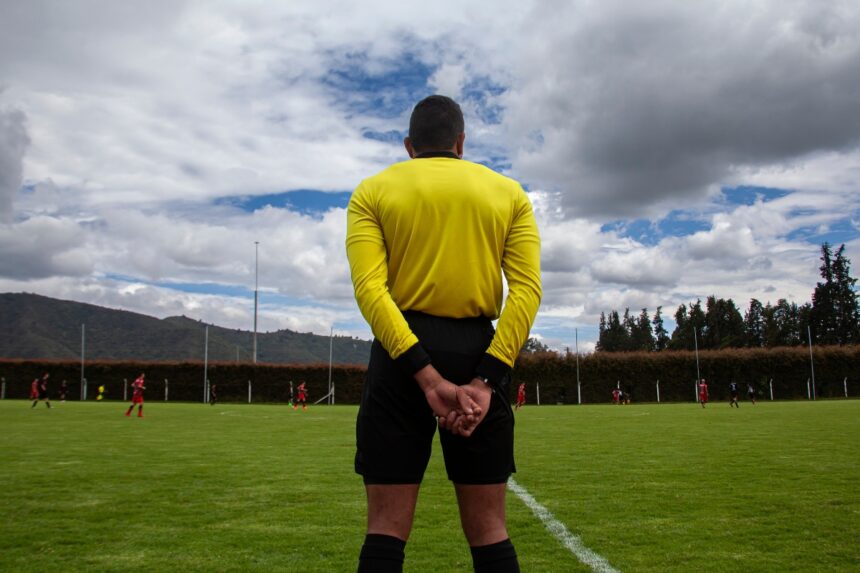
As the 2026 World Cup approaches, expectations are growing to know the referees who will officiate at the most important soccer tournament, and although FIFA has not yet made the final list official, there are already rumors about the possible Mexican representatives who could be present at the event.
Among the most talked about names are César Arturo Ramos, one of the most experienced referees in the country, as well as Katia Itzel García, who could make history in Mexican refereeing.
César Ramos, World Cup experience
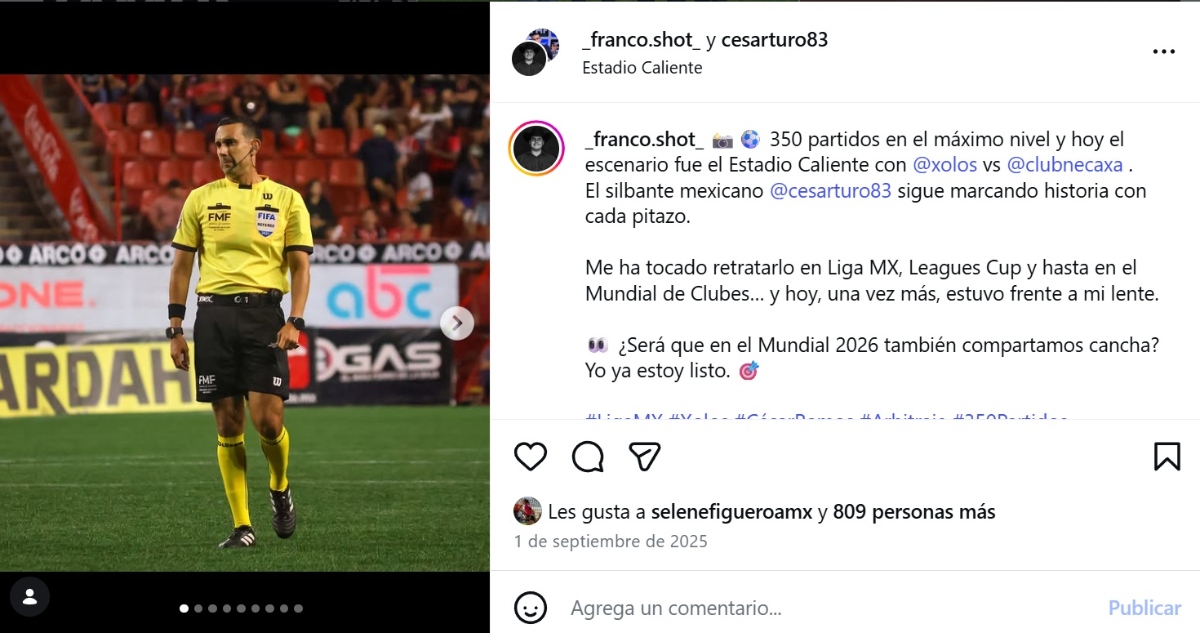
If his appointment is confirmed, César Ramos would experience his third World Cup, having participated in Russia 2018 and Qatar 2022.
His international trajectory supports him as one of the most reliable Mexican referees in the region.
In Russia 2018, he was in charge of group stage matches and a round of 16 match between Uruguay and Portugal.
Subsequently, in Qatar 2022, he again participated in important matches, consolidating his position as a benchmark for Mexican refereeing in high-level scenarios.
His possible presence in 2026 would be a sign of continuity and confidence on the part of FIFA in his work.
(Filed under: Mexican referees for the 2026 World Cup).
Katia Itzel, a historic opportunity
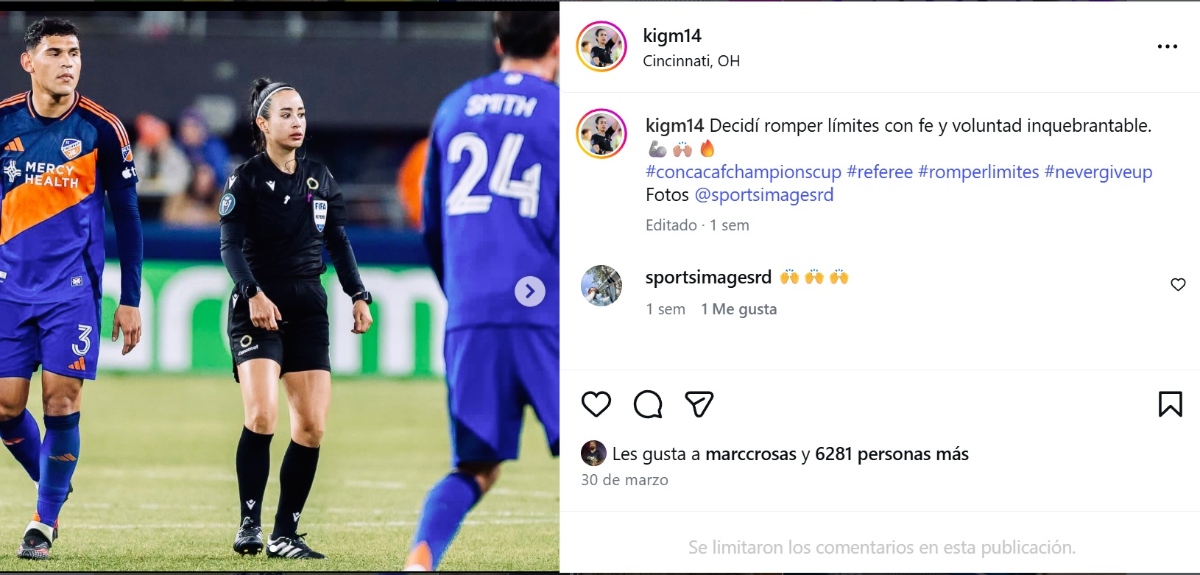
Another name that has generated interest is that of Katia Itzel García, who could become one of the Mexican representatives in the tournament.
If included, it would mark an important step in participating in a men’s World Cup, following their experience in the 2023 Women’s World Cup and youth tournaments.
Her profile responds to FIFA’s trend of integrating female refereeing talent in high-level competitions.
Always under performance and preparation criteria (Filed under: Mexican referees on the road to the 2026 World Cup).
How does FIFA select referees?
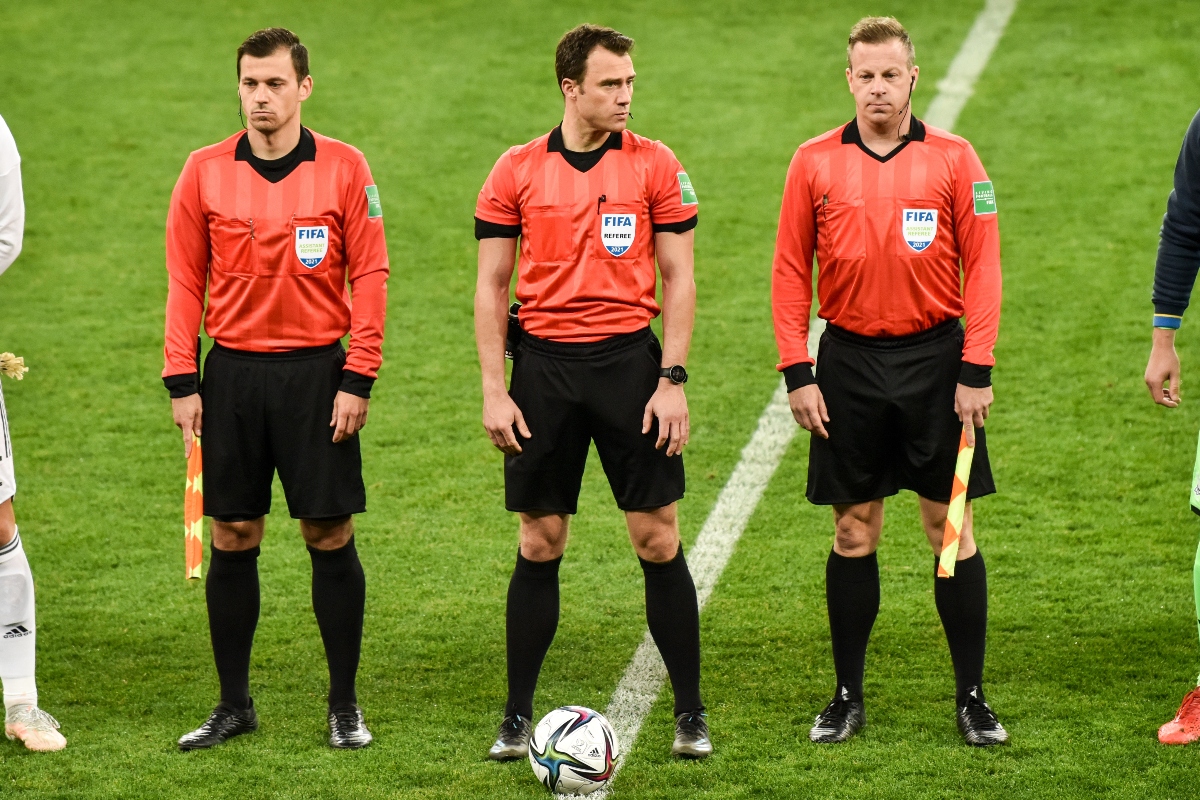
FIFA has not yet made the final list official
QuéOnnda.com
The referee selection process for a World Cup is long and rigorous.
It all starts in the local leagues, where the national federations propose their best players.
FIFA then evaluates their performance in international tournaments by means of specialized observers.
Factors such as physical condition, the correct application of the rules and the ability to handle high-pressure games are determining factors.
In addition, a balanced representation of all confederations is sought, thus ensuring diversity in the refereeing group.
Fluency in English is also key for communication on the field and with the VAR.
As a final part of the process towards 2026, the referees have participated in intensive seminars held between January and April in cities such as Rio de Janeiro and Doha, where technical and physical details are being fine-tuned.
(Filed under: Mexican referees for the 2026 World Cup).
For more information, visit QuéOnnda.com.