




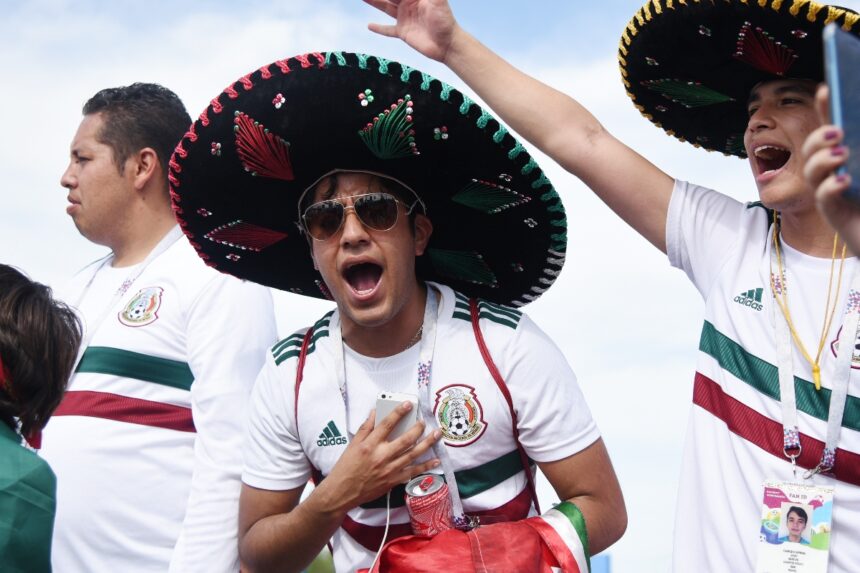
Despite the fear, the warnings and the real risks of being arrested, thousands of undocumented migrants showed up at SoFi Stadium in Inglewood, California, to support the Mexican National Team in its first game of the 2025 Gold Cup. Their very presence was an act of courage and love for their roots. This is what Miguel España, former national team player and ex-coach of Pumas UNAM, says, emphasizing that Mexican soccer owes a lot to these invisible fans.
“They are capable of crossing the entire United States and paying for expensive tickets just to see the national team. It’s more than soccer for them, it’s identity,” says España. For decades, migrants in the U.S. have been a fundamental basis for the commercial success of Mexican soccer and the Mexican National Team. Since 2002, the Mexican Soccer Federation, in alliance with Soccer United Marketing, has organized friendly matches in U.S. cities with high Hispanic populations, generating millions in revenue but also generating criticism for the poor sporting quality of some matches.
Connecting beyond the business
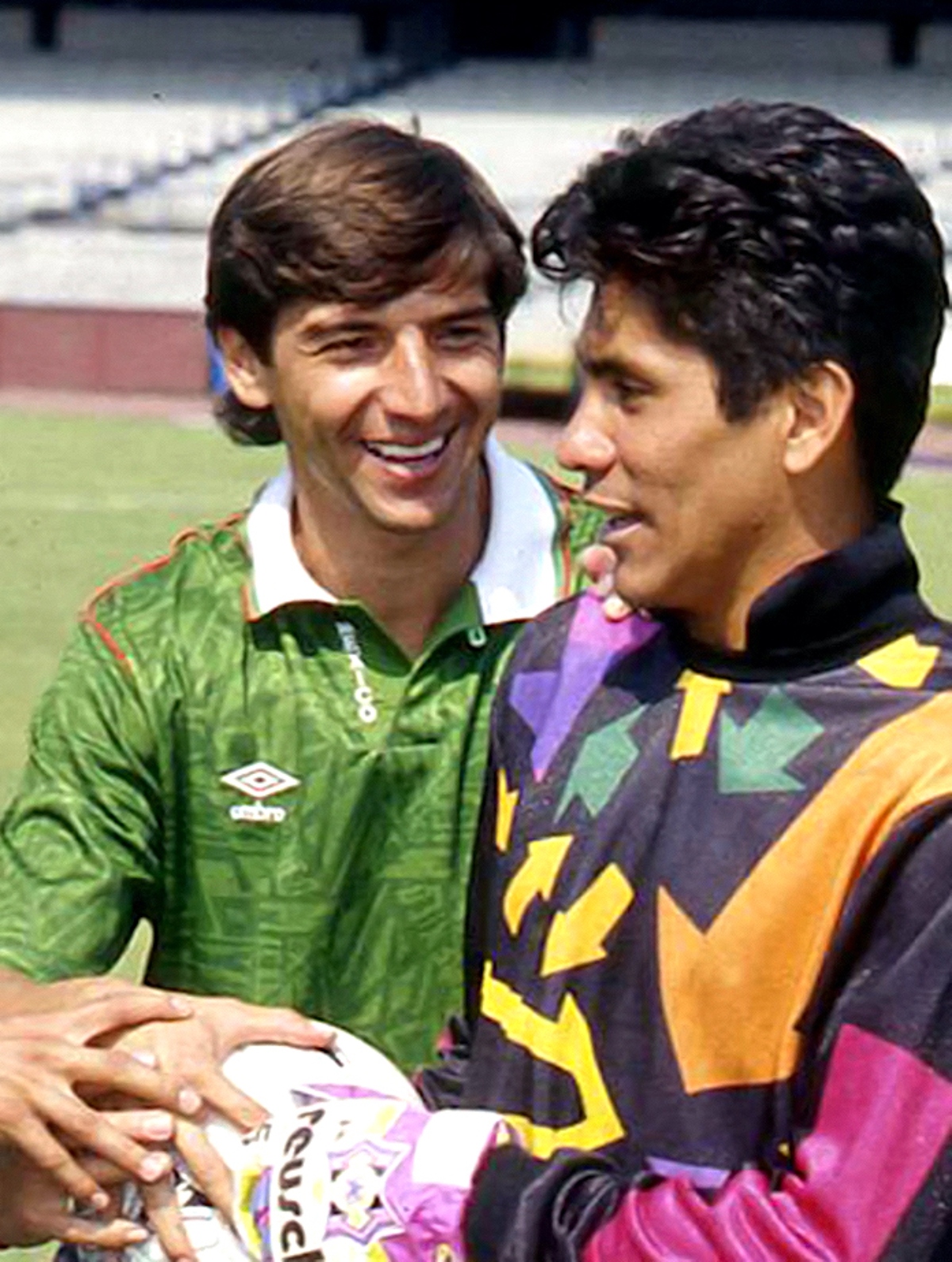
It's more than just soccer for them - it's identity
Miguel España recalls how this connection began to be consolidated after the 1986 World Cup.
For migrants, the Mexican National Team is not just a team, but a symbol of belonging.
“Seeing them return to the stadiums, even with threats of raids, shows incredible loyalty that has not been sufficiently recognized,” he adds.
He criticizes the lack of solidarity of Mexican soccer leaders and regrets that migrants are only seen as “captive customers.
For him, it is incomprehensible that the economic base of national soccer is ignored when it needs support the most.
Silence from players and managers

Spain also questions the silence of coach Javier Aguirre, who avoided talking about the risks faced by migrants in the United States.
While acknowledging that players are not always social spokespeople, he also stresses that their influence should serve more than just marketing.
“When we are silent, we are also taking a stand,” he warns, citing Carlos Vela as a courageous exception for expressing his support for California’s migrant community.
The family biography of Miguel España, son of an exile from the Spanish Civil War, connects him deeply with the pain of those who today seek refuge in the United States.
“I cannot remain aloof when my countrymen are persecuted,” he concludes.
For more information, visit QuéOnnda.com.