




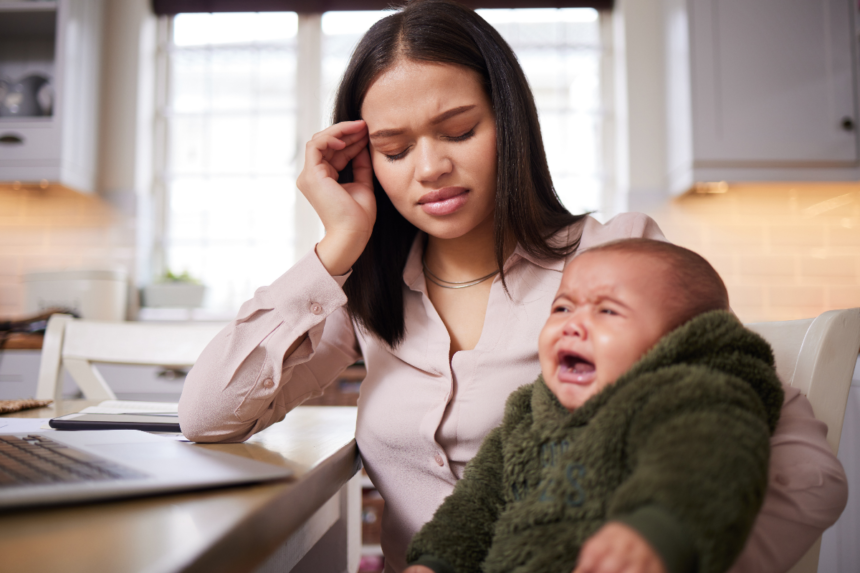
The arrival of a baby is a time of immense joy; however, it can also bring emotional challenges, such as postpartum depression.
In the U.S. Hispanic community, this issue is often faced in silence, but it is crucial to acknowledge it and know that support is available.
What is postpartum depression?

Postpartum depression is a severe mental disorder that affects a significant proportion of women after childbirth.
Studies indicate that as many as one in seven women may experience postpartum depression in the year following the birth of their child.
In the U.S. Hispanic community, the prevalence may be even higher, with rates as high as 56% during the first four months postpartum, according to the Pan American Journal of Public Health.
It is characterized by persistent feelings of sadness, anxiety and extreme exhaustion that can make it difficult to care for the baby and themselves.
Common symptoms:
Feelings of sadness or hopelessness.
Extreme fatigue and lack of energy.
Sleep problems or oversleeping.
Difficulty bonding with the infant.
Changes in appetite and mood.
Risk factors in Latina mothers

Latina mothers face cultural and social factors that may increase their vulnerability to postpartum depression.
Key factors include:
Lack of close family support due to migration.
Cultural expectations about the role of motherhood.
Barriers in accessing mental health services.
Despite the high incidence, Hispanic women face significant barriers to accessing mental health treatment.
Recent research reveals that less than 40% of Hispanic women diagnosed with depression or anxiety during pregnancy or postpartum receive adequate treatment, compared to 67% of white women.
This disparity is attributed to factors such as cultural stigma, language barriers, high costs and lack of health insurance coverage.

Strategies for coping with postpartum depression
It is critical that Hispanic mothers recognize the symptoms of postpartum depression and seek timely support.
Symptoms may include persistent sadness, loss of interest in daily activities, changes in appetite or sleep, and difficulty bonding with the infant.
Seeking help not only benefits the mother, but also the child’s development and well-being.
Seek professional support: Consult with a physician or therapist specializing in maternal mental health.
Talk to family and friends: Don’t be afraid to share how you feel.
Prioritize self-care: Rest, eat well and engage in activities that provide well-being.
Participate in support groups: There are communities of Latina mothers who share similar experiences.
Practice meditation and relaxation techniques: They can help reduce anxiety and improve mood.
Resources available in the USA

Fortunately, there are free and low-cost resources for Latina mothers seeking help. There are organizations dedicated to providing support for mothers facing postpartum depression:
Postpartum Support International (PSI): Offers resources and support in Spanish for mothers experiencing postpartum depression. PSI connects families with local volunteers and provides perinatal mental health information.
National Suicide Prevention Lifeline: Available by calling 988, it offers immediate assistance for those in crisis.
Local Community Organizations: In several cities, especially in areas with high Hispanic populations, there are community centers and organizations that offer culturally competent and, in some cases, free or low-cost mental health services. For example, in New York, local initiatives are working to make mental health more accessible and inclusive for Latino communities.
National Maternal Mental Health Hotline: 1-833-9-HELP4MOMS
Postpartum depression is a treatable condition.
Recognizing the symptoms and seeking help early can make a big difference in the quality of life for Latina mothers and their families.
It is essential for Hispanic mothers to know that they are not alone and that there are resources available to help them overcome postpartum depression.
Buscar apoyo es un paso valiente y crucial hacia el bienestar propio y el de sus familias
QuéOnnda.com
For more Mental Health news, visit QuéOnnda.com.