




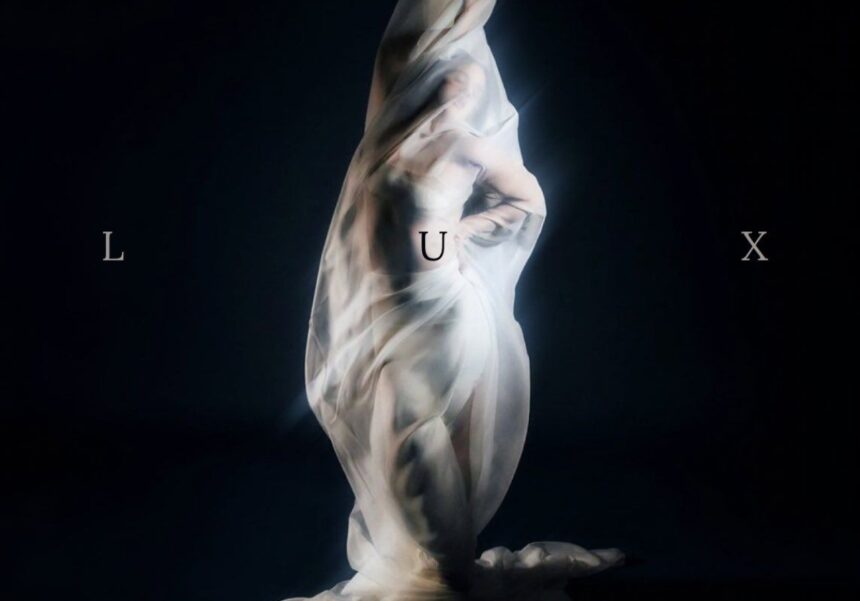
After three years of creative silence and inner exploration, Rosalía is ready to open a new chapter in her career with the release of Luxher fourth studio album. The Catalan artist, who revolutionized global music with El mal querer and Motomami, now presents an introspective, multilingual and deeply spiritual work, with which she seeks to connect with the human essence beyond cultural or idiomatic borders.
The album, to be released on November 7, lasts about an hour and is structured in four movements and 18 songs, conceived as an emotional journey from darkness to redemption. According to an exclusive listening by Infobae, the album is defined as a sound meditation on the duality between light and shadow, love, loss and transcendence.
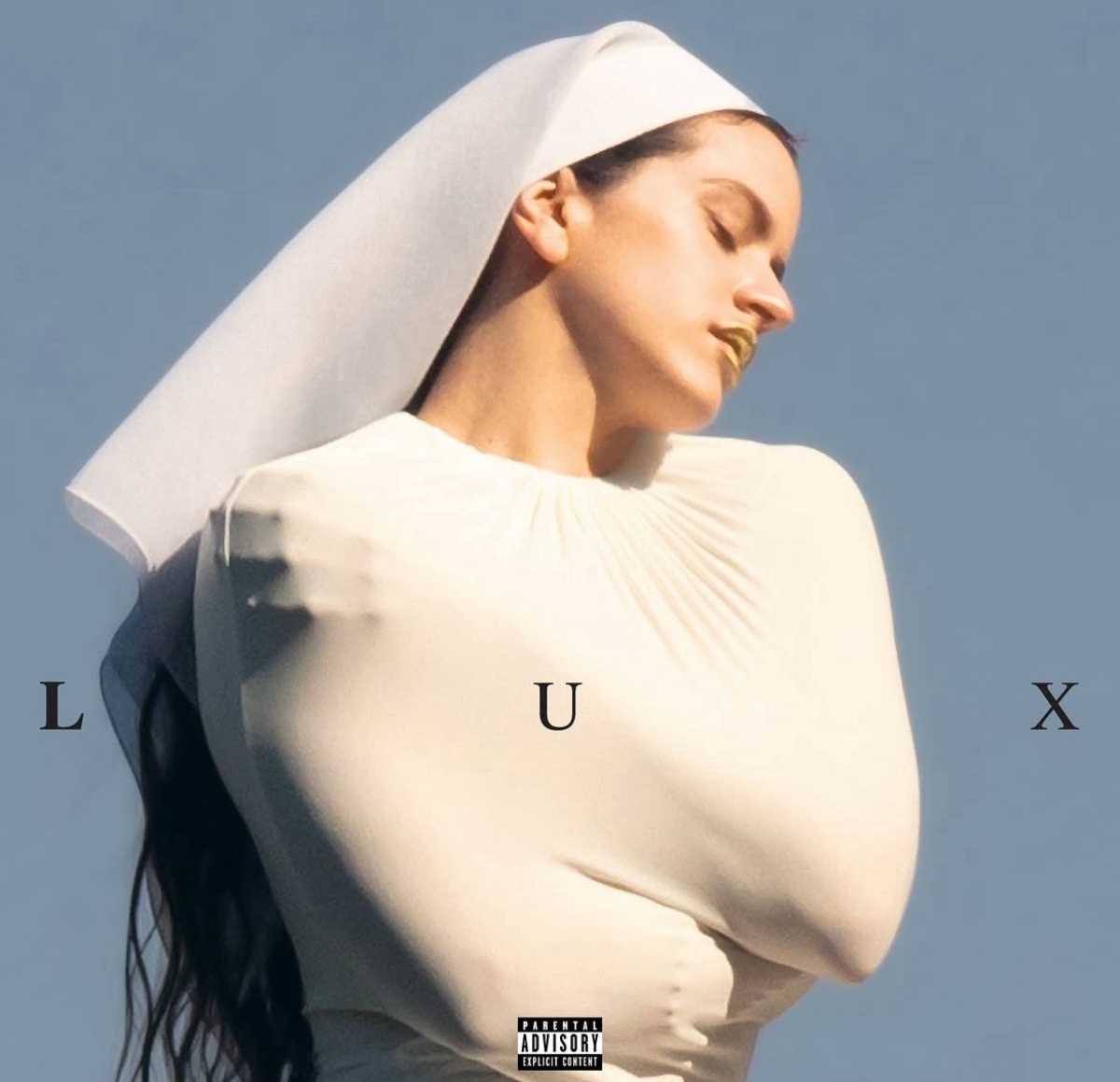
Lux is Rosalía’s most ambitious project to date. The artist sings in 13 languages – including Spanish, Catalan, English, French, Arabic, German, Latin and Portuguese – making the album an unprecedented culturally hybrid experience in contemporary pop. This artistic decision responds to the singer’s intention to break language barriers and explore the universality of emotions.
The album was recorded with the London Symphony Orchestra, conducted by Icelandic composer Daniel Bjarnason, and includes collaborations with Björk, Carminho, Estrella Morente, Silvia Pérez Cruz, Yahritza, Yves Tumor and the choirs of Escolanía de Montserrat and L’Orfeó Català. The musical direction was in charge of Caroline Shaw, winner of the Pulitzer Prize, consolidating the symphonic and experimental character of the project.
Rosalia and Lux’s spiritual narrative
The album opens with Sexo, Violencia y Llantas, where Rosalía combines industrial percussion with piano chords to reflect on the relationship between the body, desire and divinity. From there, the album moves into more personal territory with songs like Reliquia, in which she evokes loss and detachment with verses like: “I’m not a saint, but I’m blessed / My heart has never been mine / Heaven was born in Buenos Aires”.
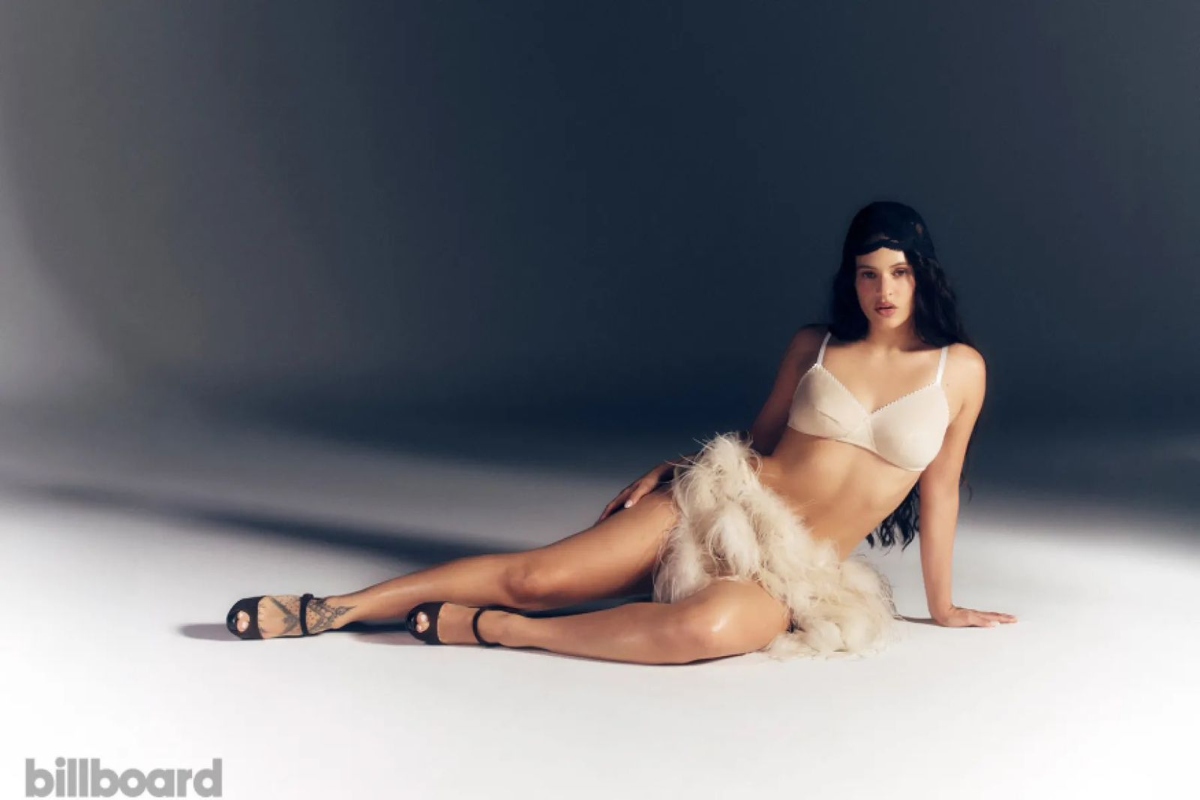
These references connect with her breakup with Rauw Alejandro, a stage that emotionally marked the creation of the album. In La perla and De Madrugá, Rosalía expresses the pain and catharsis following the separation with phrases that reveal vulnerability and empowerment: “Para desquitarme tengo derecho” and “Campo de minas para mi sensibilidad”.
The album climaxes with Berghain, inspired by the German saint Hildegard of Bingen and the famous Berlin club of the same name. The song, which includes a collaboration with Björk, fuses techno and Gregorian chant and contains the phrase “I’m just a sugar cube”, interpreted by fans as a nod to the Icelandic singer’s musical past in The Sugarcubes.
Feminism, redemption, and spiritual ascent.
The third movement of the album marks a transition towards acceptance and inner calm. Songs like God is a stalker and Focu ‘ranni introduce more danceable and luminous rhythms, where the artist celebrates emotional independence and divine connection: “I can say I’m at peace”, “I’ll never be your half”, “I’ll be mine”.
Towards the end, with Novia robot and Magnolias, Rosalía culminates her spiritual and feminist journey with an affirmation of freedom and faith: “Te liberé, me liberé”, “Me pongo guapa para Dios”, “Bailando con amor sobre mi cadáver”.
The work concludes with a reflection on death and transcendence, synthesizing the duality of light(Lux) and inner darkness that the artist explores throughout the album.
Speaking to The New York Times, Rosalia explained that she worked for three years on the project, devoting more than two to perfecting phonetics and writing in other languages with the help of translators and teachers. “It’s about understanding how other languages work and letting them sound in the body,” she said.
The artist also revealed that she was inspired by writers and thinkers such as Simone Weil and Chris Kraus, as well as mystical texts by medieval nuns and saints, to build the literary dimension of the album. “That spiritual feeling has always been in my life, but I had never rationalized it or brought it into my music,” she confessed.
With Lux, Rosalía delves into territories little traveled by current pop music, fusing flamenco, opera, electronica and choral experimentation. Her goal, as she stated on the Popcast podcast, is to create “a total experience, a puzzle that combines the classical and the contemporary”.
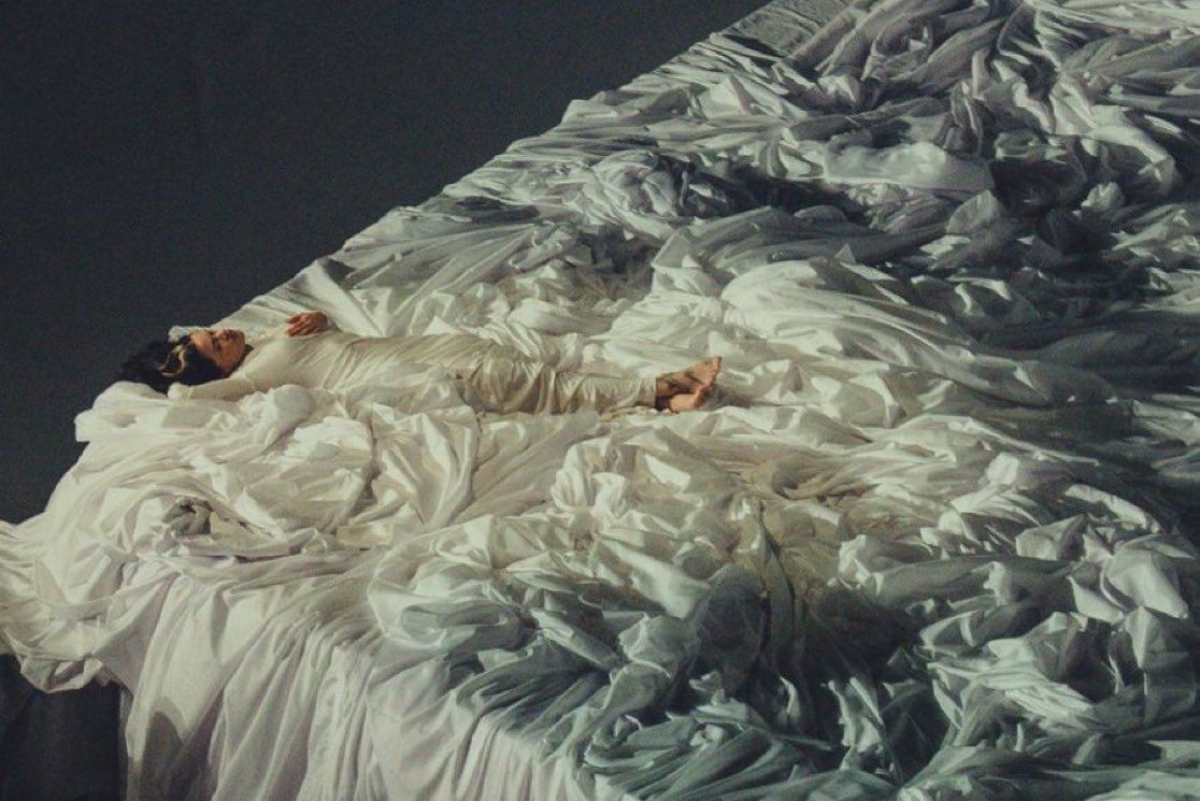
The announcement of the album, with the image of Rosalía dressed in white and a veil in Times Square under the illuminated Lux sign, marked the beginning of this new era: a more mature, introspective and universal artist, who invites the audience to look inward while accompanying her on her own spiritual ascent.
Find out more at ‘QueOnnda.com’.