






Tropical music and fashion have maintained a symbiotic relationship over the years, reflecting the cultural richness and diversity of Latin America.
Caribbean rhythms such as cumbia, salsa and merengue have not only influenced the music scene, but have also left an indelible mark on clothing trends.
Cumbia and its impact

Originally from Colombia, cumbia has been a mainstay of tropical music.
Its influence extends to the wardrobe, where colorful costumes and wide skirts reflect the joy and vitality of this rhythm.
These elements have permeated urban fashion, inspiring designers to incorporate vibrant prints and traditional fabrics into their collections.
Salsa and its elegance

Salsa, with its blend of Afro-Caribbean rhythms, has left a significant mark on Latin fashion.
Tropical music and fashion have maintained a symbiotic relationship over the years
QueOnnda.com
The outfits associated with this genre are usually sophisticated and sensual, with tight-fitting dresses and shiny fabrics that capture the essence of the dance.
This aesthetic has influenced urban fashion, bringing elements of the dance floor to the streets.
The guayabera
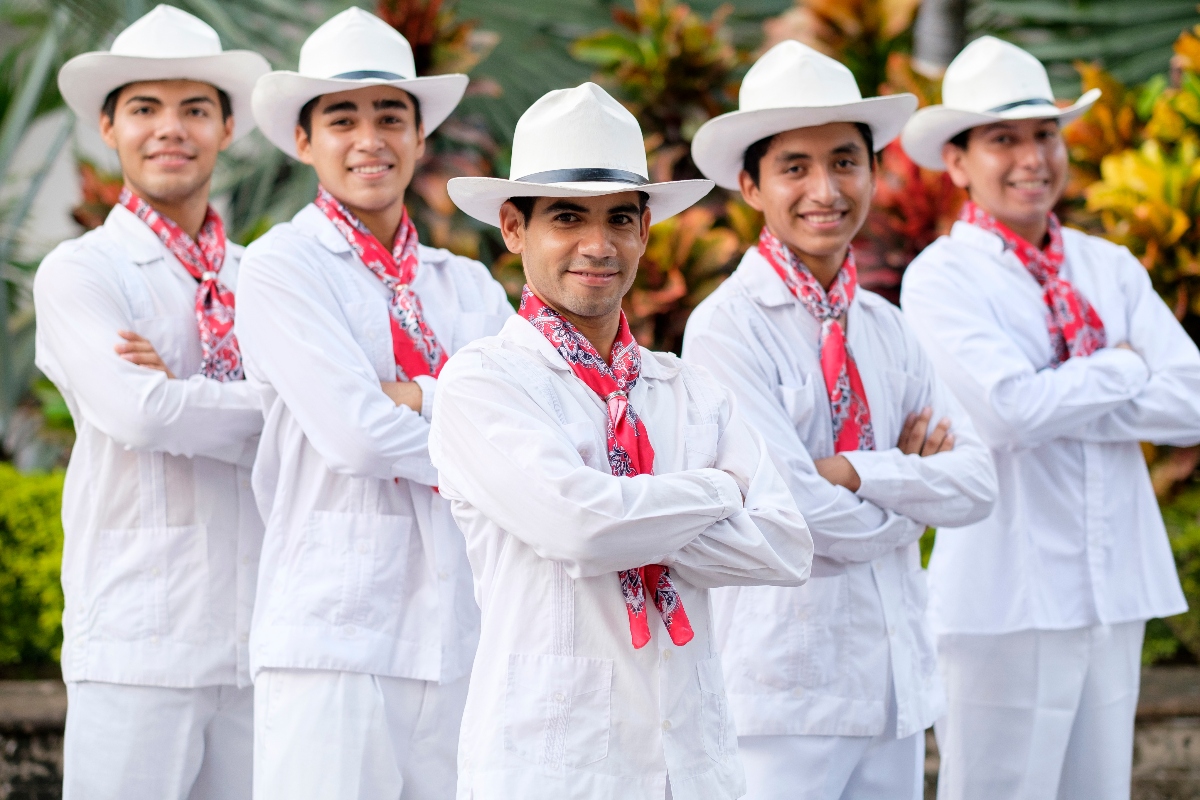
The guayabera, a light shirt originating in Cuba, is an example of how tropical fashion has transcended borders.
Initially used in warm climates for its comfort, this garment has become a symbol of casual elegance in several countries, adapting to both formal and informal contexts.
Influence of tropical music

The energy and rhythm of tropical music continue to inspire current trends.
Latin American designers incorporate elements such as bright colors, floral prints and flowing silhouettes that evoke the essence of these musical genres.
This fusion of fashion and music celebrates cultural identity and resonates especially with the U .S. Hispanic community.
The evolution of fashion in tropical music is a testament to how culture and art intertwine, reflecting the identity and spirit of a community.
These trends represent not only a connection to their roots for the Latino diaspora in the United States, but also a celebration of their heritage in a contemporary context.
For more information, visit QueOnnda.com.