





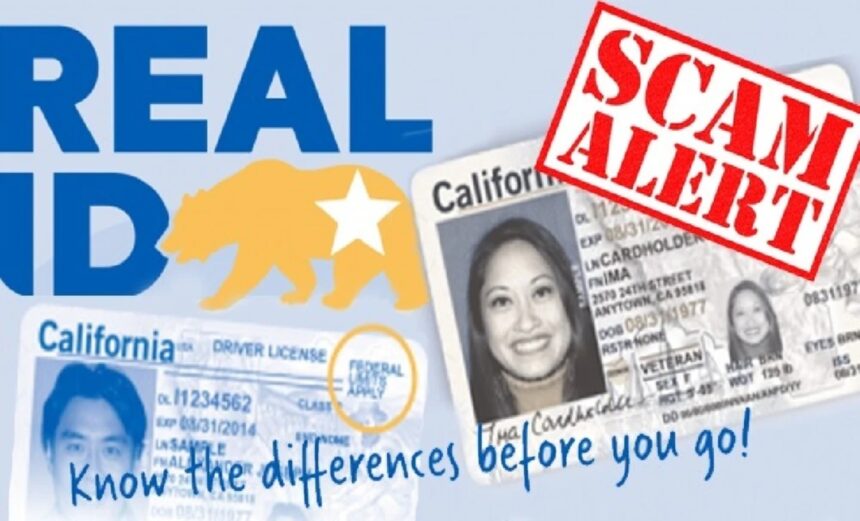
Faced with an encounter with Immigration and Customs Enforcement (ICE) agents, many people wonder if they are required to present their Real ID, a driver’s license or state ID that meets federal standards.
According to immigration and civil rights experts, the answer is not absolute, and depends on the status of the individual and the legal context of the encounter.
How well is Real ID used?
Real ID was implemented as part of a federal rule to improve the security of identification documents, especially for travel within the United States.
However, its primary function is to verify identity with the Transportation Security Administration (TSA) and other federal agencies, not to serve directly as an immigration document.
Who can submit such documents?
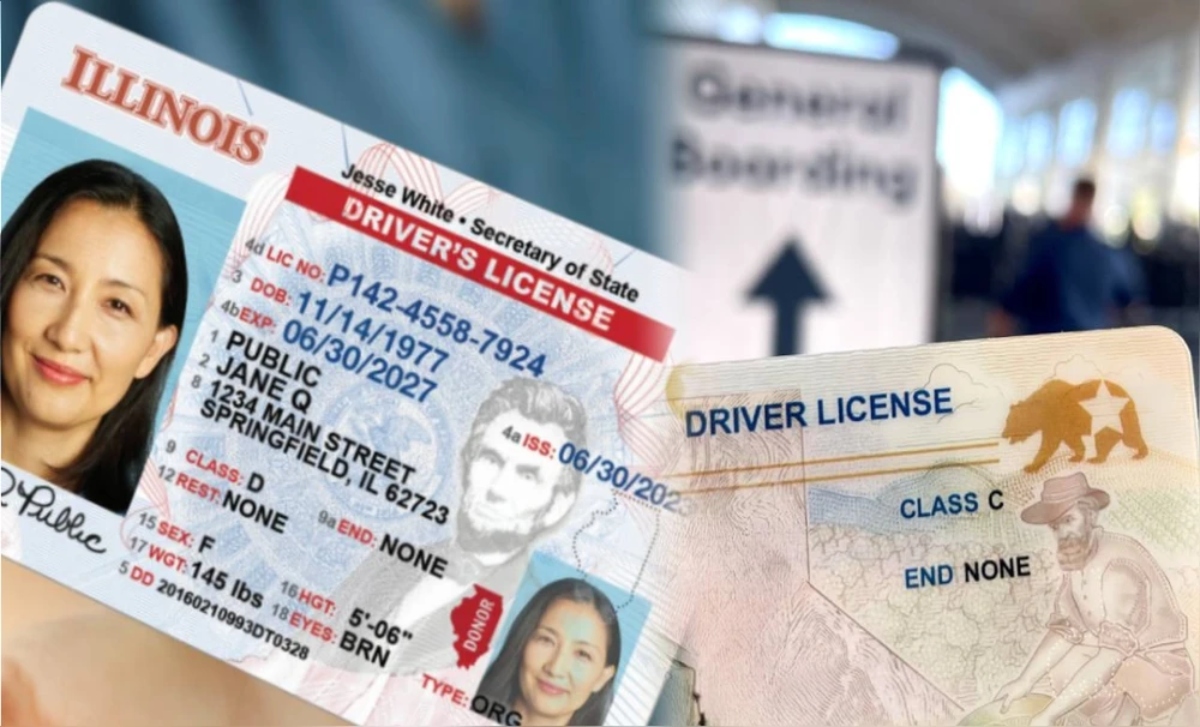
According to specialists quoted by media covering immigrant rights, persons with legal status may present official documents upon request.
But those who do not have a recognized legal status should be cautious: it is not always advisable to show documents that clearly indicate that their presence is irregular.
In a public situation, ICE does not have the same power as local police to demand production of documents without just cause.
A legal expert interviewed by CNN states that “there is no general constitutional obligation to give your name or show papers” unless the person is formally detained.
Necessary advice
In addition, NGOs such as Immigration Equality advise the following: if you have valid immigration documents (such as a green card or work authorization), it is prudent to carry them.
But if you do not have legal status, avoiding carrying papers that reveal your immigration status may reduce risks during an interaction with ICE.
Context also matters: if ICE visits your home, office or workplace, agents must show legitimate credentials, and in certain cases a warrant.
In many cases, you can ask to see the order before cooperating with the entry or interview.
This article was originally published in Nueva News.
Filed under: Real ID ICE