





Millions of Americans have received their stimulus checks, but many still have not and are waiting without clear answers. If you are part of the U.S. Hispanic community and your stimulus check has not arrived, you are not alone. Address confusion, errors in IRS records and even fraud have complicated the process for thousands of people.
The Treasury Department and the Internal Revenue Service(IRS) have issued several rounds of stimulus payments since 2020, but according to a report by the Center on Budget and Policy Priorities, many Latinos have been left out of these benefits due to documentation problems and language barriers. If you or someone you know has not yet received their check, follow these key steps to check the status of your payment and claim what you are entitled to.
1. Use “Get My Payment”

If you have not received your stimulus check, the first step is to check the status of your stimulus check on the official IRS website through the “Get My Payment” tool (irs.gov).
What do you need?
Your Social Security Number (SSN or ITIN)
Your current mailing address
Your most recent tax return information
If the tool indicates that your payment was sent but you did not receive it, you may need to track your payment.
2. Request a payment trace

If the IRS confirms that it sent your stimulus check, but you have not received it, you can file Form 3911 to initiate a payment tracing.
This is crucial if you believe your check was sent to the wrong address or if someone else cashed it by mistake.
To send the form:
Download it from irs.gov
Complete it with your personal information
Mail or fax it according to IRS instructions.
3. Verify your information
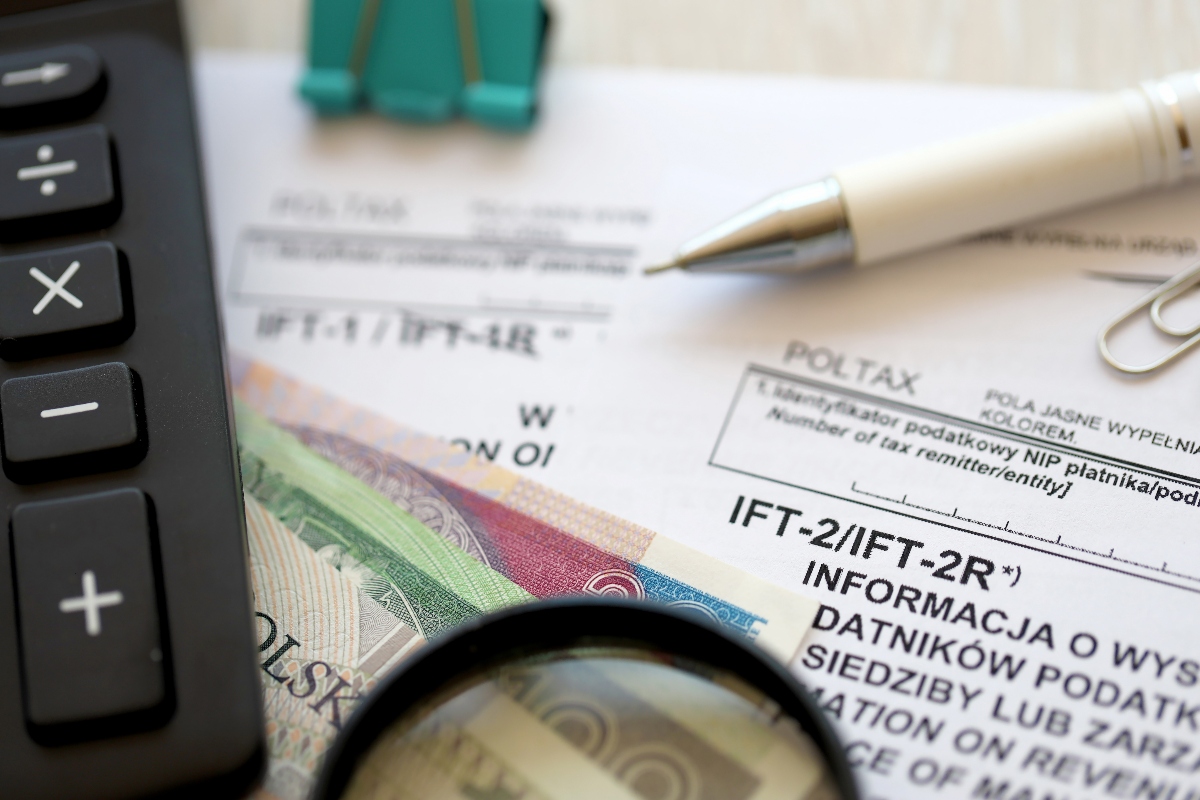
If you received previous payments by direct deposit, but this check did not arrive, there may be a problem with the bank information on file with the IRS.
In this case, review your most recent tax return and update your information if necessary.
Many Latinos have been left out of these benefits
QueOnnda.com
In addition, if you did not file a recent tax return and did not receive previous payments, you may qualify for the Recovery Refund Credit.
This credit allows individuals who did not receive their checks to claim them on their tax return.
4. Beware of scams!

The IRS will never call or text you for personal information.
If someone contacts you saying you need to pay a fee to receive your check, it’s a scam.
Report any fraudulent attempts to the Treasury Inspector General at tigta.gov.
If you haven’t received your stimulus check, don’t sit idly by.
Use the IRS tool, verify your information and, if necessary, initiate a payment trace.
Patience is key, but so is quick action to claim what’s yours.
For more information, visit QueOnnda.com.