




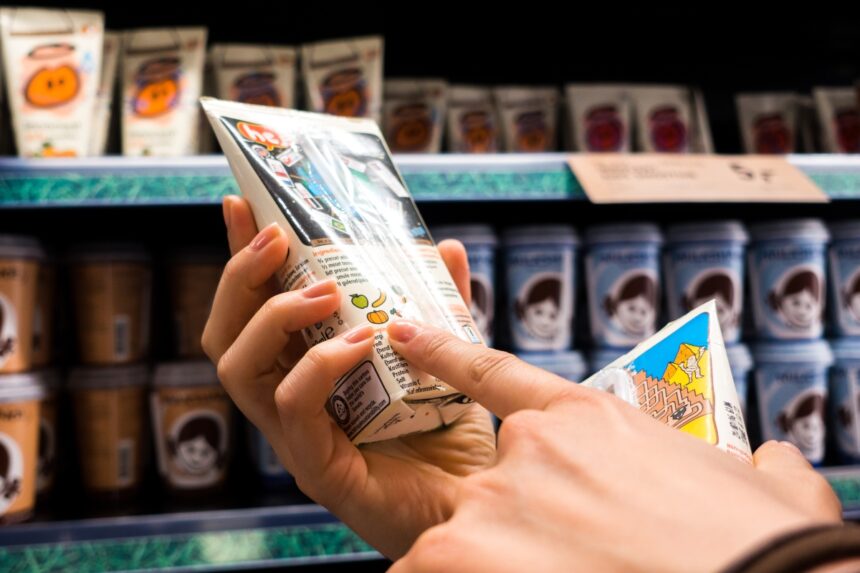
When it comes to Latin products, labels can be both a useful guide and a maze of confusing information.
Knowing what the terms mean and how to interpret them can make the difference between choosing a healthy product or one that could affect your well-being.
The good thing: Natural ingredients and authenticity
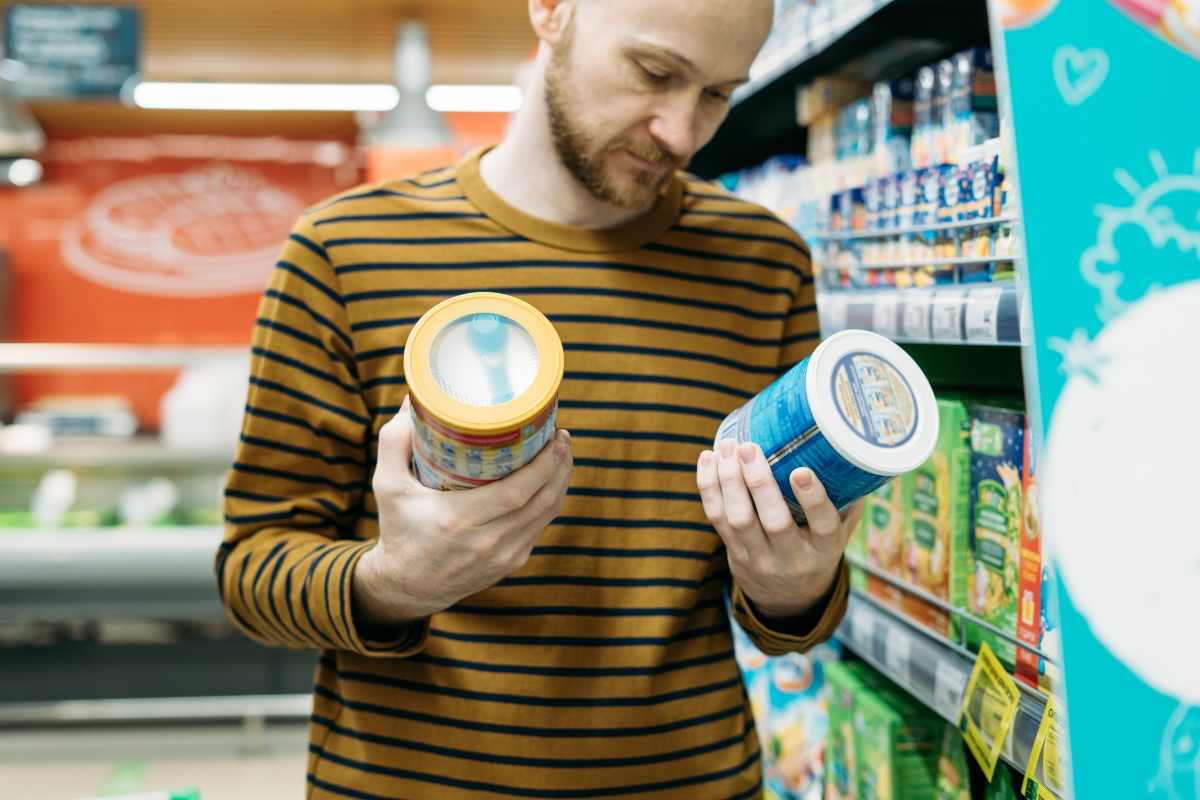
Look for simple and natural ingredients
Authentic Latino products often use basic, traditional ingredients. For example, canned beans with only water and salt are a healthy choice versus those containing preservatives and excessive sodium.
Keywords to search for
“Organic”: Certifies that the ingredients were grown without synthetic pesticides.
“100% natural”: Although this is a good indication, it does not always guarantee that the product is healthy; check the list of ingredients.
“No added sugars”: Perfect for avoiding unnecessary calories.
The bad: Common label pitfalls

High levels of sodium and sugar
Many Latin products, such as packaged salsas and tropical juices, may have high levels of sodium or sugar. A salsa labeled “low fat” may compensate for the taste by adding more salt or sugar.
Confusing terms to check
“Light”: This may mean fewer calories, but not necessarily less sugar or saturated fat.
“Natural flavor”: does not always imply that the ingredients are healthy, as it may include chemical compounds derived from natural sources.
Dangers: Preservatives and hidden additives
Check out the article, where we analyzed how #WarningLabeling 🛑 has improved the nutritional profile of products in the Mexican market.
Read it in full here: https://t.co/fDtW6ReJIa pic.twitter.com/VC8J6GQl1E
– CINyS – INSP (@1CINyS) October 27, 2025
Check the list of additives
Nitrites and nitrates: Common in sausages such as chorizo, they may be linked to health problems when consumed in excess.
High fructose corn syrup: This sweetener, present in soft drinks and candy, is linked to obesity and metabolic diseases.
Revisa bien la fecha de caducidad en los productos perecederos como cremas y quesos
QuéOnnda.com
How to read Latin product labels
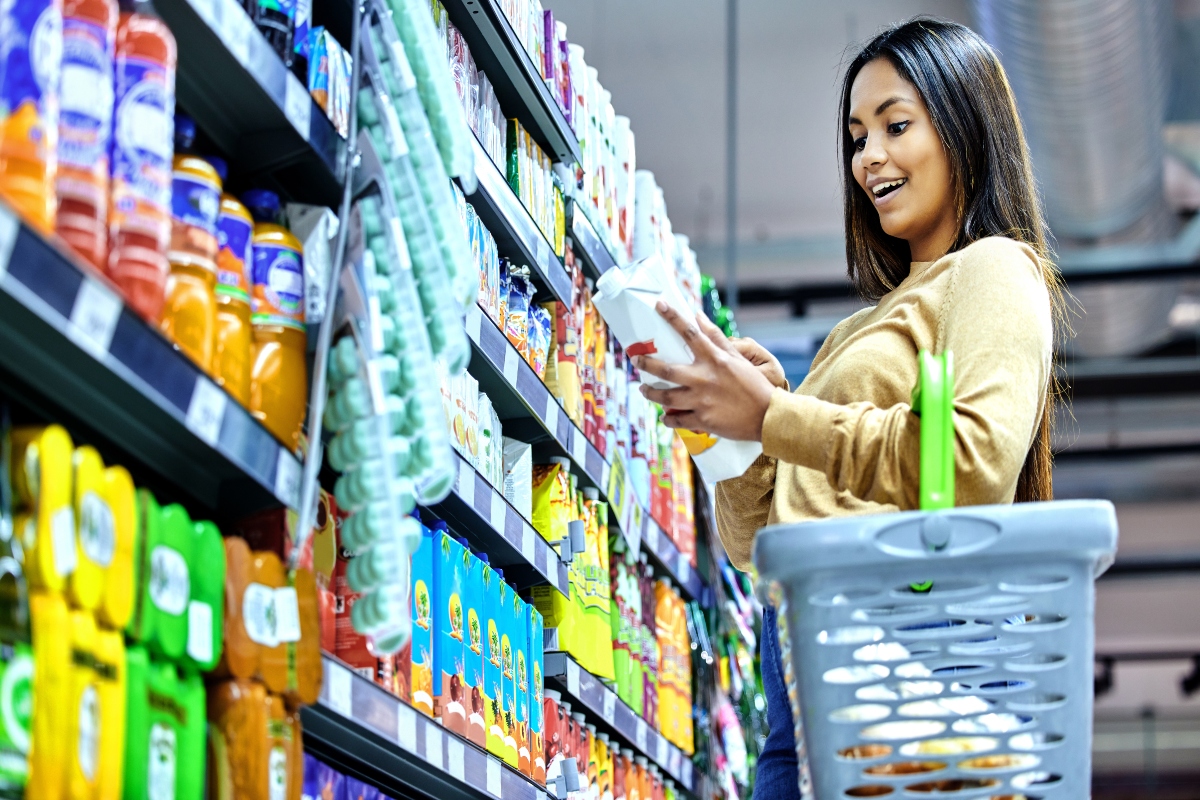
Always read the ingredient list: The first three ingredients are usually the main components of the product.
Refer to portions: Labels show information per serving, not per full package.
Avoid artificial ingredients: Opt for products with fewer preservatives and chemical additives.
Find out more at QuéOnnda.com.
Filed under: How to Read Latin Product Labels