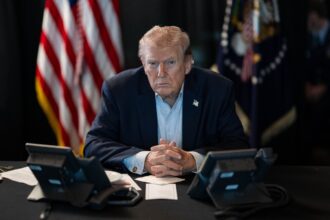




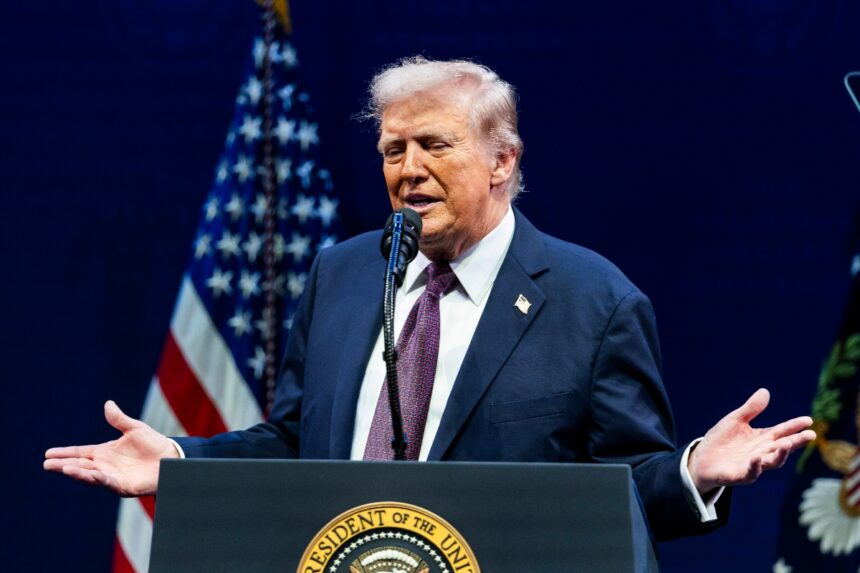
U.S. President Donald Trump’s threats to send military troops to Chicago and other cities governed by the Democratic opposition have set alarm bells ringing among legal experts, who warn of a possible “abuse of power.”
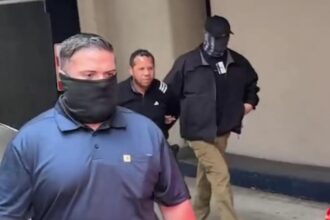
The Department of Homeland Security(DHS) launched two operations this week in Chicago and Boston and several local media have already reported an increased presence of federal agents, particularly Immigration and Customs Enforcement (ICE).
One of Trump’s top advisors, the so-called border “czar” Tom Homan, announced in an interview with CNN that the government will deploy the National Guard in several “sanctuary” cities -those that protect the migrant community- in the coming days.
If the plans come to fruition, Chicago and Boston would become the third and fourth cities, after Los Angeles and Washington D.C., to receive federal troops in Trump’s less than eight months in office.
The president has also hinted that they will not be the last by targeting other metropolises such as Seattle, Baltimore, San Francisco and Portland.
Legal problems
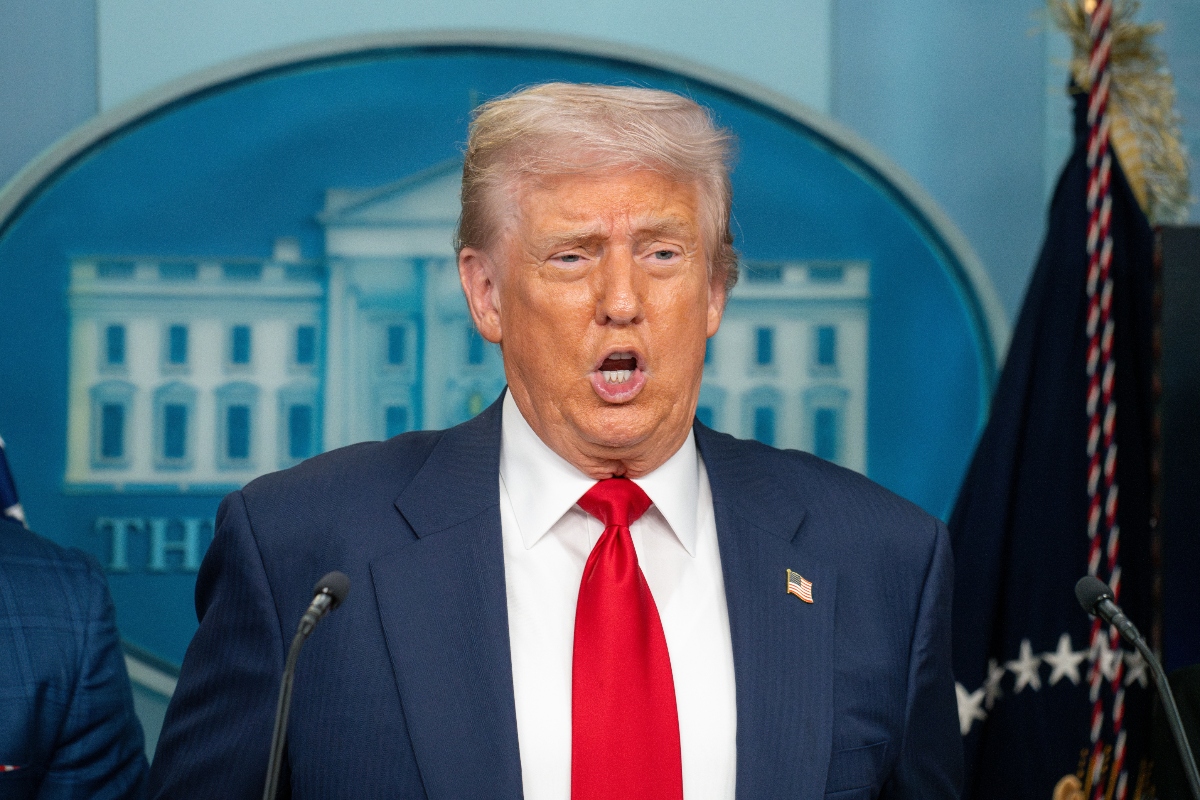
Jurists have warned about the dubious legality of sending military forces into a city against the will of local authorities.
“The deployment of troops (…) to occupy cities cannot plausibly promote public order. It is brute force, a brutal power maneuver. It flies in the face of the Constitution and the proper role of the states,” wrote Michael Waldman, president of the Brennan Center for Justice at New York University.
The government is already facing a lawsuit over its decision to send troops – including Marines – to California during the height of protests against its immigration policy in June.
Last week, a federal judge declared such a deployment “illegal” and barred the Pentagon from using soldiers to perform duties that belong to local police. In his ruling, Judge Charles Breyer accused Trump and Defense Secretary Pete Hegseth of attempting to create “a national police force led by the president.”
This ruling, however, is only valid in California, after the Supreme Court limited the power of federal judges to issue nationwide orders.
The legal framework
The ruling states that the government violated the Posse Comitatus Act, a law that prohibits federal troops from engaging in public safety work, except in specific cases.
The main exception is the Insurrection Act, which allows the president to send the military to other states if local governments request it or if it is necessary to “enforce” federal law or put down a rebellion.
In the case of Los Angeles, the Executive argued that the protests were preventing authorities from enforcing federal immigration laws.
But, as explained by Liza Gotein, an expert on presidential powers at the Brennan Center, the government now argues that it must deploy troops to Chicago or other cities to fight common crime, a matter of local jurisdiction.
“Flooding Democratic cities with soldiers under the pretext of fighting crime would be an unprecedented abuse of power that would violate states’ rights,” the analyst has said.
Use of National Guard from other states
The Trump administration also appears to be looking for an alternative way around these legal hurdles and that is to get other states to send their own National Guard troops to the cities it has threatened to militarize.
Illinois Governor JB Pritzker denounced last week that the Trump Administration will send the Texas National Guard to Illinois, but the Texas government did not confirm this.
To do so, the government would rely on a little-known provision of the federal code that allows the President or the Secretary of Defense to request National Guard troops to support federal missions while remaining under state control, Georgetown University law professor Steve Vladeck said in an opinion column.
This decision, the academic stressed, could violate Article IV of the Constitution, which protects the “sovereignty” of the states, and would open the possibility of the Illinois government going to the Supreme Court to prevent – or stop – a military deployment, EFE reported.
For more information, visit QuéOnnda.com.