





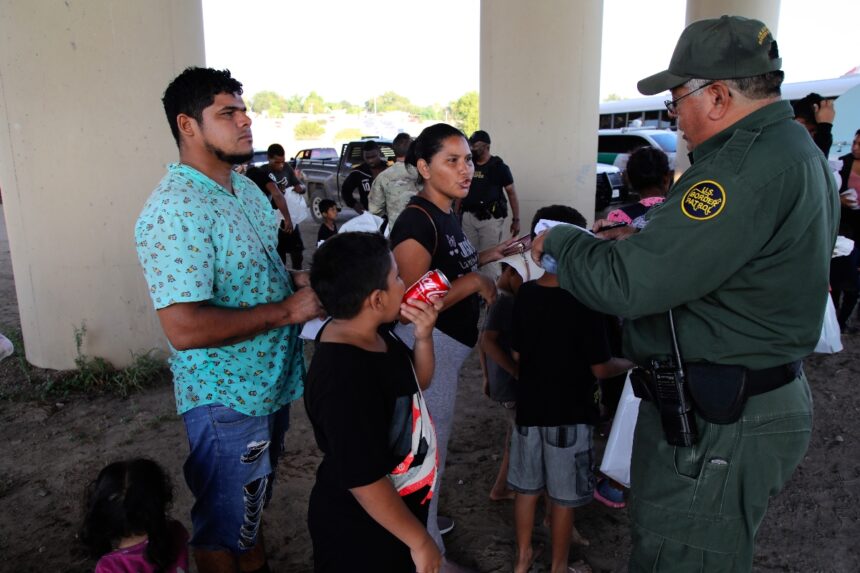
The population of undocumented migrants in the United States increased from 10.7 million in 2019 to 13.7 million by mid-2023, when it reached 26% of migrants in the country, following an increase in arrivals from South America and the Caribbean, according to a report released Tuesday.
The report, conducted by the Migration Policy Institute (MPI), revealed that this jump of three million undocumented immigrants was the highest since the beginning of the millennium, and followed a decade of stagnation.
Undocumented population in the U.S. increases
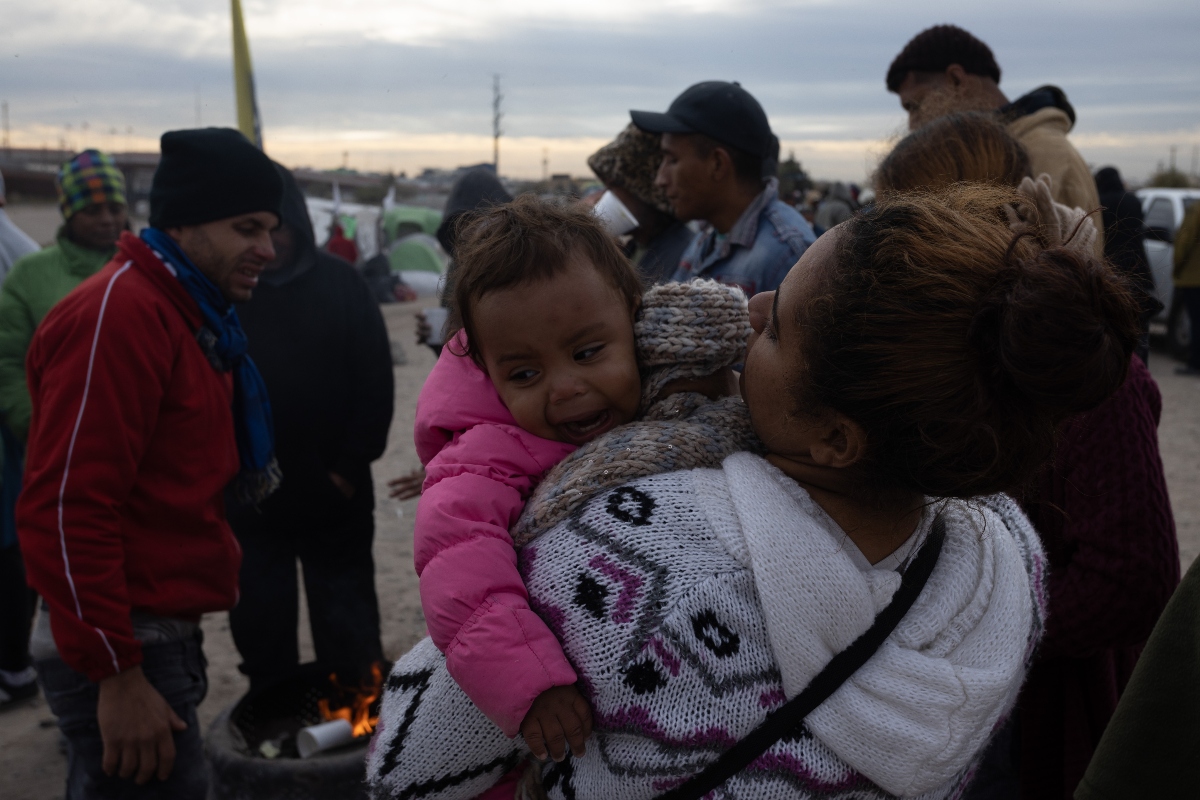
Among the factors behind this new wave of migration, the report attributed it to the speed with which the U.S. economy recovered from the recession caused by the covid-19 pandemic, political instability in Central and South America, gang violence in Haiti, Ecuador and parts of Mexico, and political repression in Cuba, Venezuela and Nicaragua.
But he also indicated that the border and humanitarian parole policies of the administration of former President Joe Biden (2021-2025) prompted more people to try to cross into the United States.
Mexican nationality remains the most common among undocumented migrants in the United States, with more than 5.5 million people, following two years of successive increases after this figure reached a low of 5.3 million in 2021.
However, undocumented migrant arrivals between 2019 and 2023 were driven by people from Central American countries such as Honduras and Guatemala, as well as South American countries Venezuela, Colombia, Ecuador and Brazil.
One in four foreigners in the U.S. is undocumented
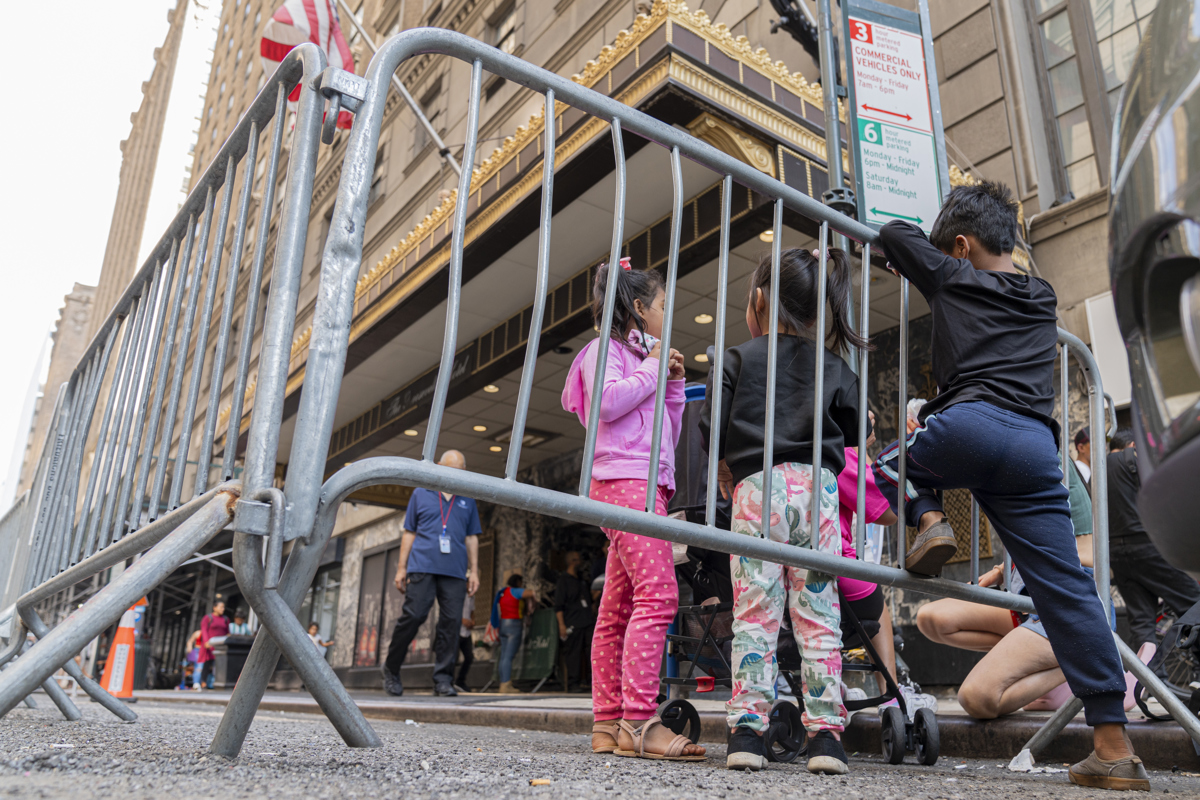
By mid-2023, undocumented migrants accounted for 26% of foreigners in the United States.
MPI estimated that about four million of them were Temporary Protected Status (TPS) or Deferred Action for Childhood Arrivals (DACA) holders, had a pending asylum application or an active grant of humanitarian leave.
In addition, nearly 4.2 million of them were married to a U.S. citizen or green card holder, although the vast majority faced problems applying for citizenship because of a 1996 immigration law.
This situation severely affects minors, according to the report, which counted 6.3 million children – only one million of them with U.S. citizenship – living with at least one parent in irregular status.
These children are often severely affected by their parents' limited employment opportunities and restrictions on access to public assistance, as well as the threat of separation due to immigration control measures
Report
Despite the recent wave of migration, the organization noted that four out of every five undocumented migrants had been living in the United States for more than five years, and nearly half had been in the United States for more than 20 years.
Los Angeles and construction work, the most probable future
Nearly 10 of the 13 million undocumented working-age immigrants were employed or looking for an opportunity.
Construction was the most frequent sector among them, representing 22% of these migrants.
In second place on the list is employment in food services, accounting for 10%.
Los Angeles, considered a sanctuary city because of its policies to protect undocumented migrants, is the preferred place to live for most of them, followed by Houston.
By states, California, with 2.9 million, Texas, with 1.96 million, and Florida, with 1.22 million, host the most undocumented immigrants.
However, the report noted that the number of such migrants in the United States is likely to have declined by 2025, due to the enforcement of immigration laws and the general anti-migration atmosphere in the country.
Both phenomena have been particularly evident since the return to power of U.S. President Donald Trump last January, who has pushed for increased raids against undocumented migrants and the end of pro-migration programs, increasing the number of deportations.
Filed under: Undocumented population in the U.S.
With information from EFE