



FIFA confirmed that the 2026 World Cup, hosted by Mexico, the United States and Canada, will have three opening ceremonies for the first time. The decision reflects the magnitude of the tournament, which will be the largest ever, with 48 teams and more than 100 matches spread across North America.
The first ceremony will take place on June 11, 2026 in Mexico City, prior to the match between Mexico and South Africa at the Azteca Stadium. With this, the Santa Ursula stadium will become the only stadium on the planet to host three World Cup openings. On June 12, Toronto will host the second opening, prior to the match between Canada and the winner of the European playoff. It is the first time Canada has hosted a World Cup opening ceremony. The third opening will take place in Los Angeles at Sofi Stadium prior to the U.S.-Paraguay match. This event is designed to showcase U.S. cultural diversity to a global audience.
A final with a half-time show
FIFA also announced that the 2026 World Cup Final, scheduled for July 19, 2026 in the New York-New Jersey region, will include a halftime show for the first time.
This format, inspired by major North American sporting events, seeks to captivate a massive television audience.
In addition to offering a spectacle never before seen in a World Cup final.
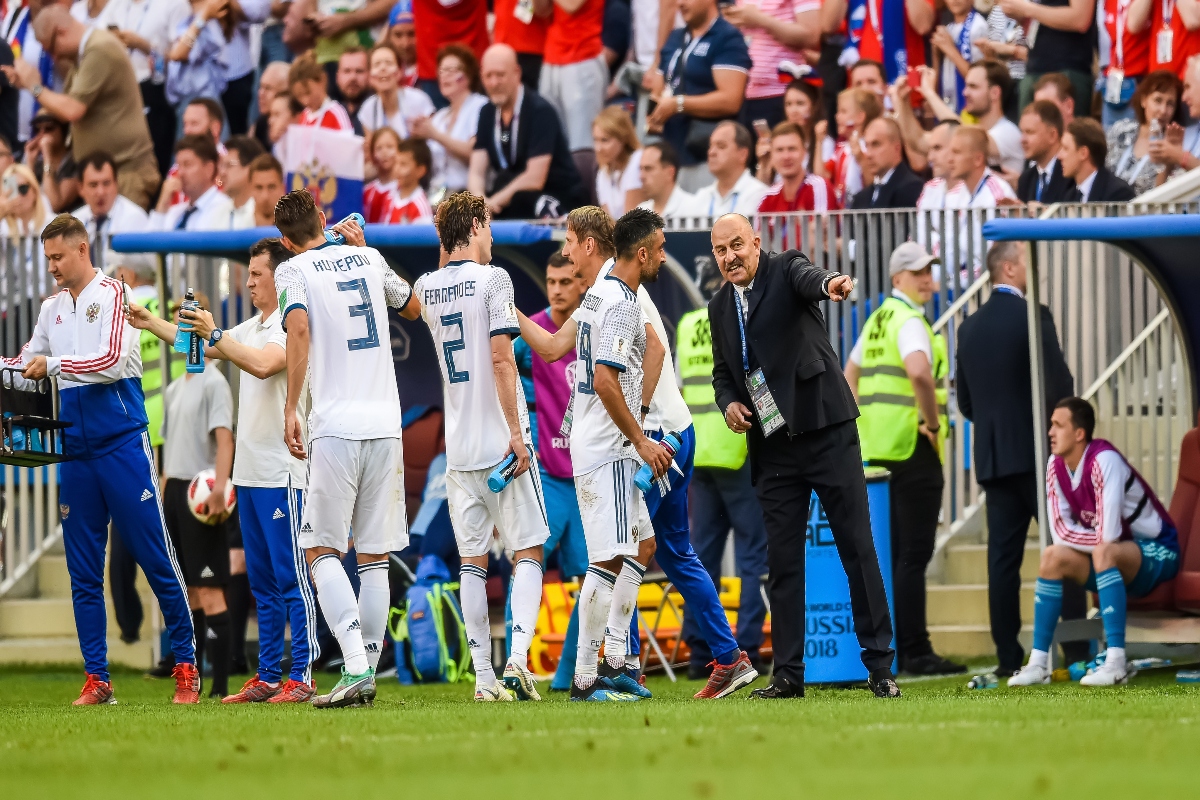
New rules: mandatory hydration breaks
The decision reflects the magnitude of the tournament
QuéOnnda.com
As part of measures to protect players’ health, FIFA confirmed that all 2026 World Cup matches will include mandatory hydration breaks.
These stoppages will take place 22 minutes into each half, regardless of the weather or whether the stadium has a retractable roof.
If an injury stoppage occurs near the 20 minute mark, the referees may adjust the break to avoid consecutive interruptions in the flow of play.
The measure responds to the need to standardize medical criteria in the largest tournament in history.
For millions of Hispanics living in the U.S., the 2026 World Cup represents a unique opportunity to experience the most accessible and accessible tournament in history.
For more information, visit QuéOnnda.com.