






The constant use of cell phones, tablets and video games has become one of the main concerns of Latino mothers and fathers in the United States. Although technology is part of everyday life, spending too much time in front of screens can affect the physical, emotional and social health of children and adolescents.
Faced with the challenge of achieving cell phone-free children, encouraging physical activity at home is a key tool for balancing digital time and promoting healthy development.
Why is it important for children to be active?
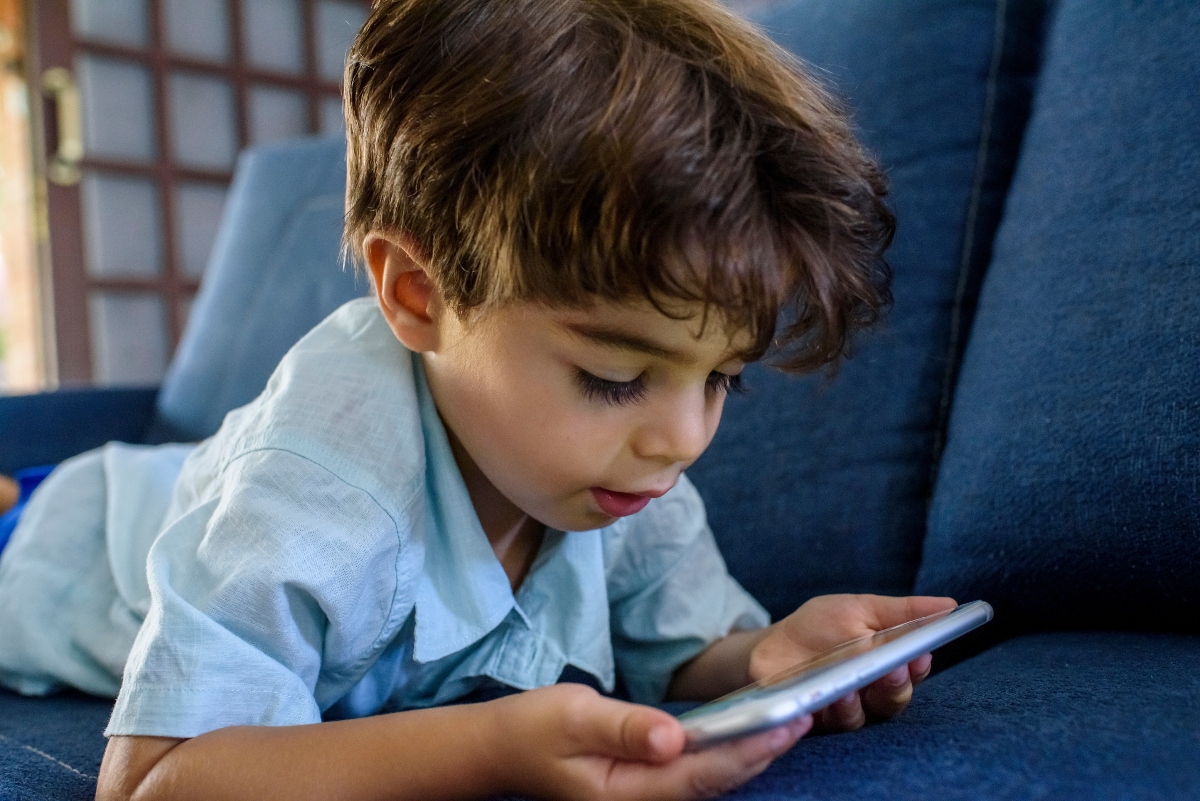
Regular physical activity helps strengthen muscles and bones, improves coordination, promotes sleep and reduces the risk of childhood obesity.
In addition, exercise contributes to emotional well-being, helping to reduce stress, anxiety and mood swings.
Specialists recommend that children and adolescents perform at least 60 minutes of physical activity daily, either through play, sports or recreational activities.
Spending long hours in front of the cell phone or computer can lead to sedentary lifestyles, posture problems, sleep disturbances and difficulty concentrating.
In many Latino households, cell phone use also competes with family time and outdoor activities.
Reducing screen time does not mean prohibiting it, but setting clear and realistic limits that allow children to enjoy technology without it replacing movement and socializing.
Practical strategies to motivate them to move
One of the keys to getting children to participate in physical activity is to make it fun.
Not everyone enjoys traditional sports, so it is important to offer varied options such as dancing, biking, skating, swimming or just playing in the park.
Involving the whole family also makes a difference.
Walking together, playing soccer, dancing to Latin music at home or doing movement challenges strengthens family bonds and turns exercise into a positive experience.
Establishing specific times for physical activity helps to create a routine.
For example, setting aside time after school or before dinner to move around can become a daily habit.
How to have children without cell phones
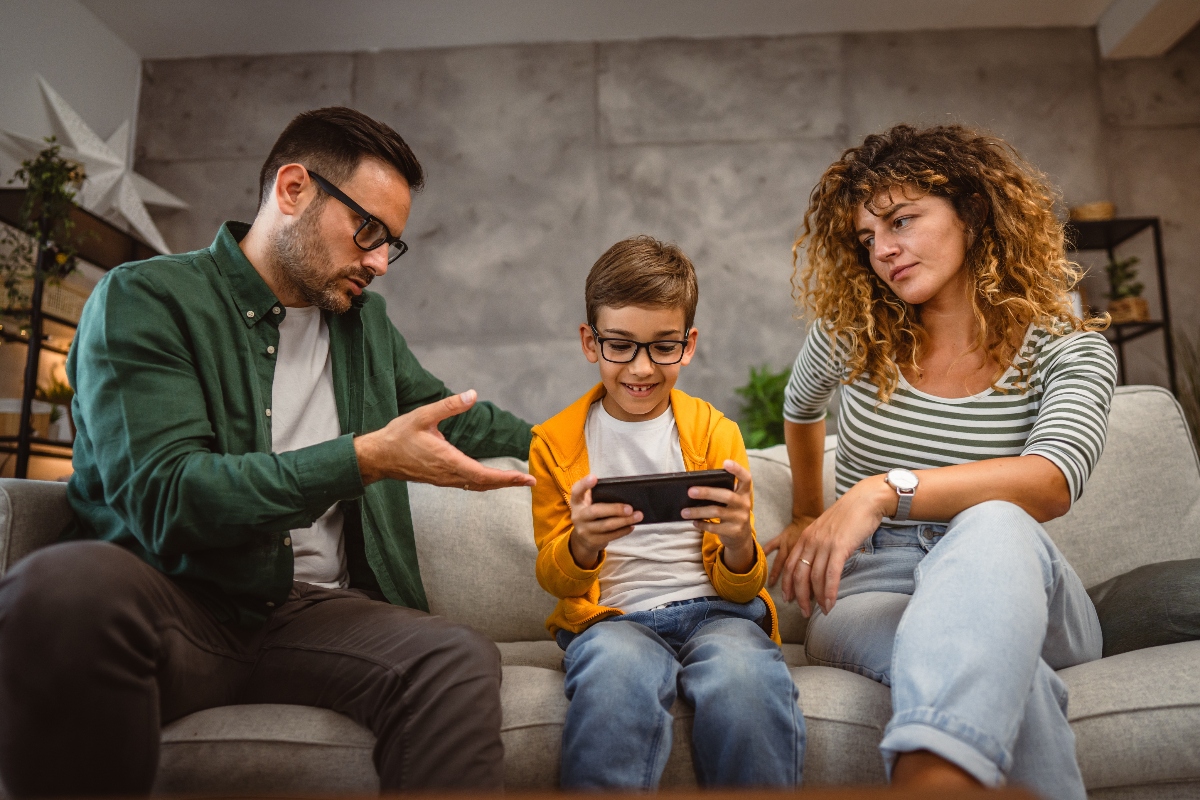
Children learn by observing.
If they see their parents active, they are more likely to imitate that behavior.
Showing enthusiasm for exercise and avoiding the perception that it is a punishment or a chore increases motivation.
It is also important to recognize effort, not just performance.
Celebrating small accomplishments, such as going for a walk or reducing cell phone time, reinforces positive behavior.
For many Latino families in the United States, access to gyms or sports programs may be limited.
However, public parks, schools and community centers offer free or low-cost options for children to stay active.
Consulting local activities and taking advantage of safe outdoor spaces can open up new opportunities for daily movement.
Filed under: How to have children without cell phones