






The fight against “anti-football” is now official. The International Football Association Board(IFAB), the body that defines the Laws of the Game worldwide, announced its support for a series of changes aimed at improving the pace, reducing time wasting and making the development of matches fairer. The goal: more real minutes of play and fewer interruptions that cut into the spectacle.
During its Annual Business Meeting (ABM) in London on January 20, the IFAB explained that these measures will be put to a vote at the body’s Annual General Meeting (AGM), scheduled for February 28, 2026 in Wales, where it will define which changes are officially approved and which will remain in the trial phase.
1) VAR with “specific extensions” (without slowing down the game)
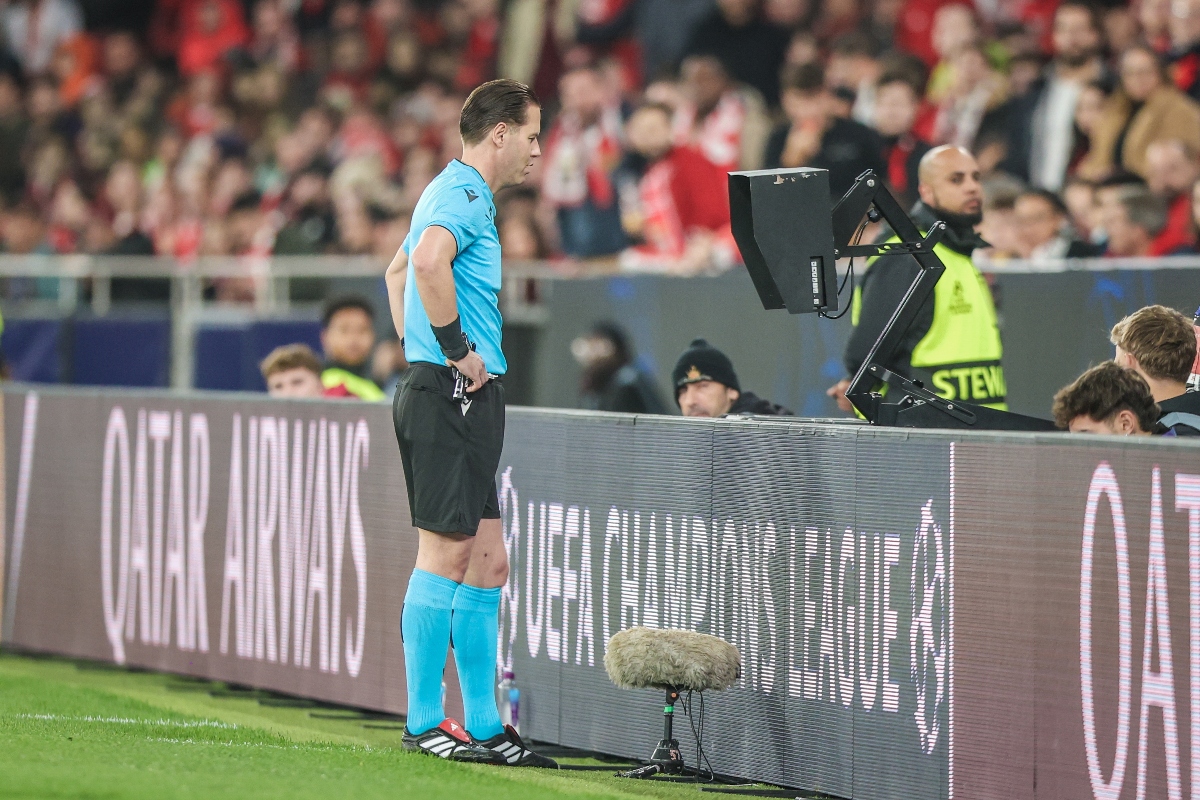
One of the most debated announcements is the possible extension of VAR, but with clear limits:
The IFAB insists that its intervention should remain focused on game-changing plays (goals, penalties, direct red cards and mistaken identity).
However, he proposed three specific extensions:
Review red cards for incorrectly shown second yellow, only if there is clear evidence.
Correct cases where the wrong team is punished for an infraction that results in a red or yellow card.
Review erroneously awarded corners, provided it is immediate and does not delay the restart.
2) Goalkeepers with a limit: 8 seconds to release the ball.
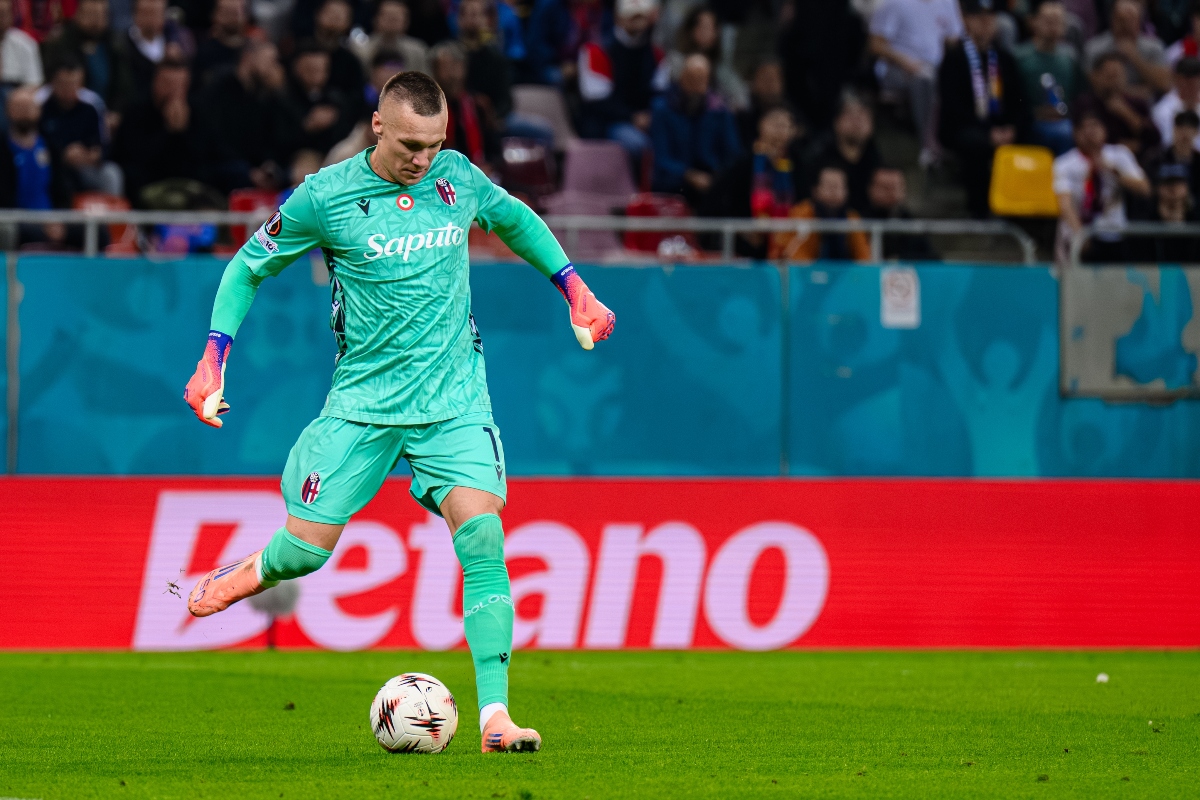
The IFAB wants to continue to combat one of the most common complaints from soccer fans: when the goalkeeper “freezes” the game.
That’s why it keeps the momentum to the 8-second rule for the goalkeeper to release the ball with his hands.
This change stems from recent tests and aims to prevent goalkeepers from taking time off when their team is winning.
3) Faster substitutions: 10 seconds to exit
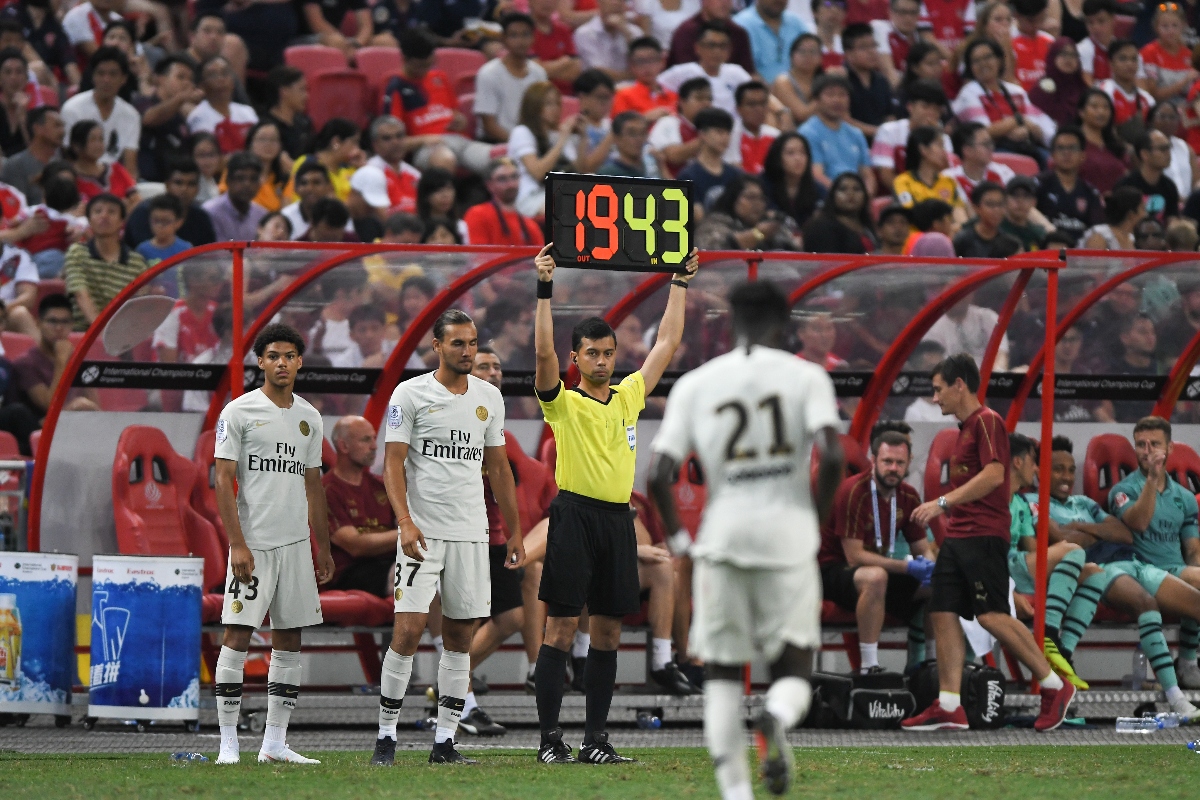
Another measure is a strict 10-second limit for the substituted player to leave the field.
This points directly to the slow substitutions that are used to break the opponent’s rhythm or to use up the final minutes.
For the U.S. Hispanic fan, this would be a huge change because it would make the closing moments of a soccer game more dynamic, especially in the playoffs.
4) Regulated medical care to avoid “performances”.
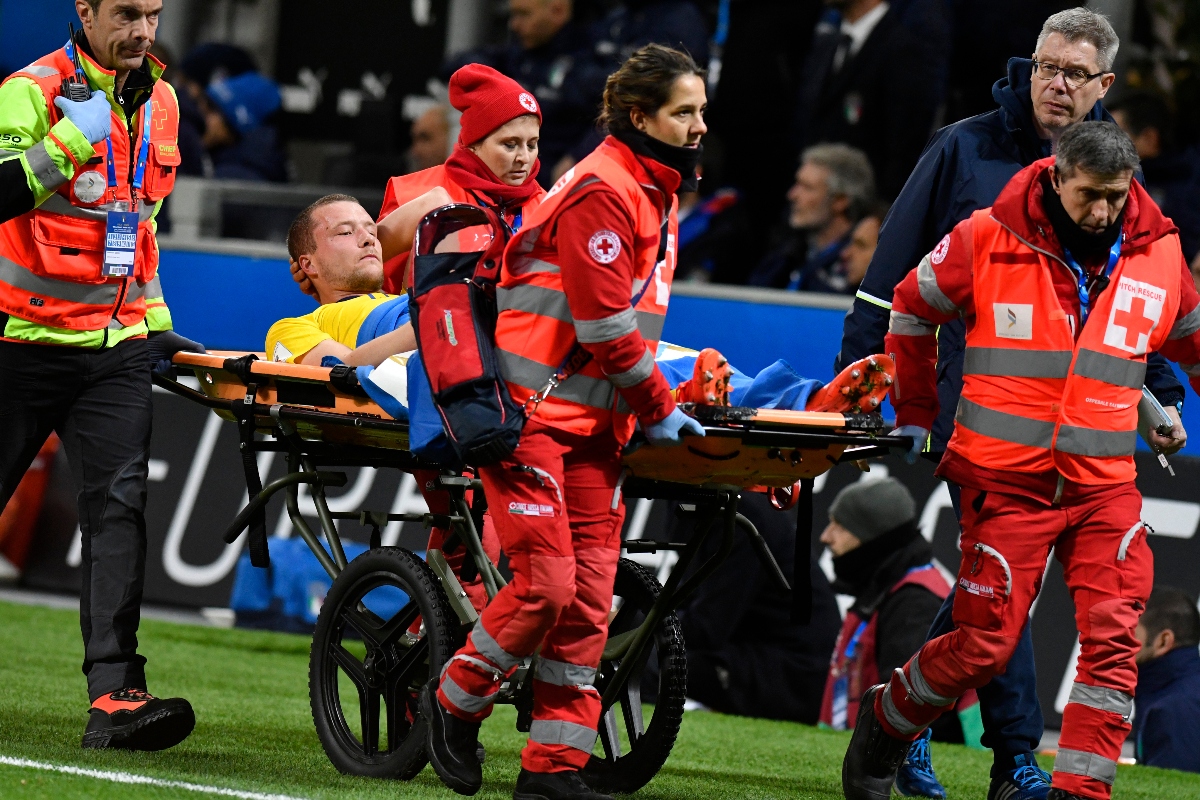
The IFAB also endorsed that soccer players who receive medical attention on the field will have to go out and stay out for a certain amount of time, which is yet to be defined.
The idea is simple:
Reduce repeated interruptions and discourage simulations.
What about offside? The “Wenger Law” is still being tested
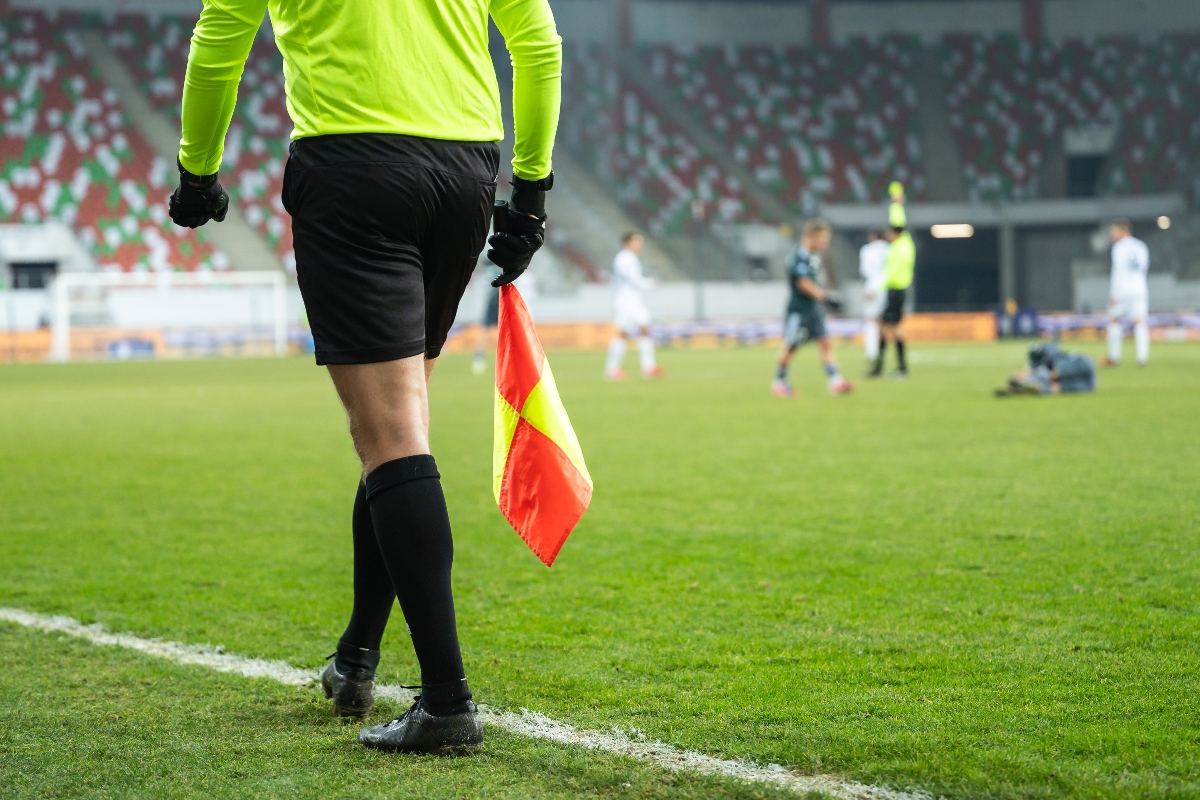
The IFAB confirmed that the testing of the so-called “Wenger Law” or “Daylight Offside” will continue.
A proposal where a soccer player would only be offside if his whole body is ahead of the last defender.
For now, it will not be mandatory in the short term and remains an experiment.
The fight against 'anti-soccer' is now official
QuéOnnda.com
If the IFAB approves them in February, they could begin to be implemented from the 2026/27 season, just in the run-up to the 2026 World Cup in the United States, Mexico and Canada.
The message is clear: soccer wants to modernize without losing its essence.
But he also wants one thing above all else: less pauses, more play and more fairness.
For more information, visit QuéOnnda.com.