





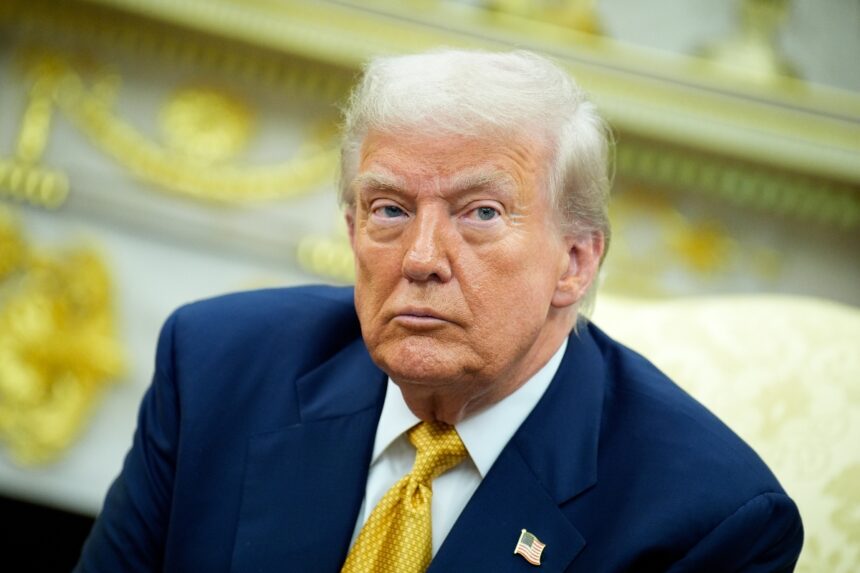
A federal court in Massachusetts again rejected an attempt by the Trump administration to deny automatic birthright U.S. citizenship to children of immigrants, cementing a strong legal backing for the constitutional protection that protects millions of Latino families.
U.S. District Judge Leo Sorokin upheld the nationwide injunction he had issued in February to block Executive Order 14160, signed by Donald Trump on January 20, 2025, on his first day back in office.
New ruling in birthright citizenship case
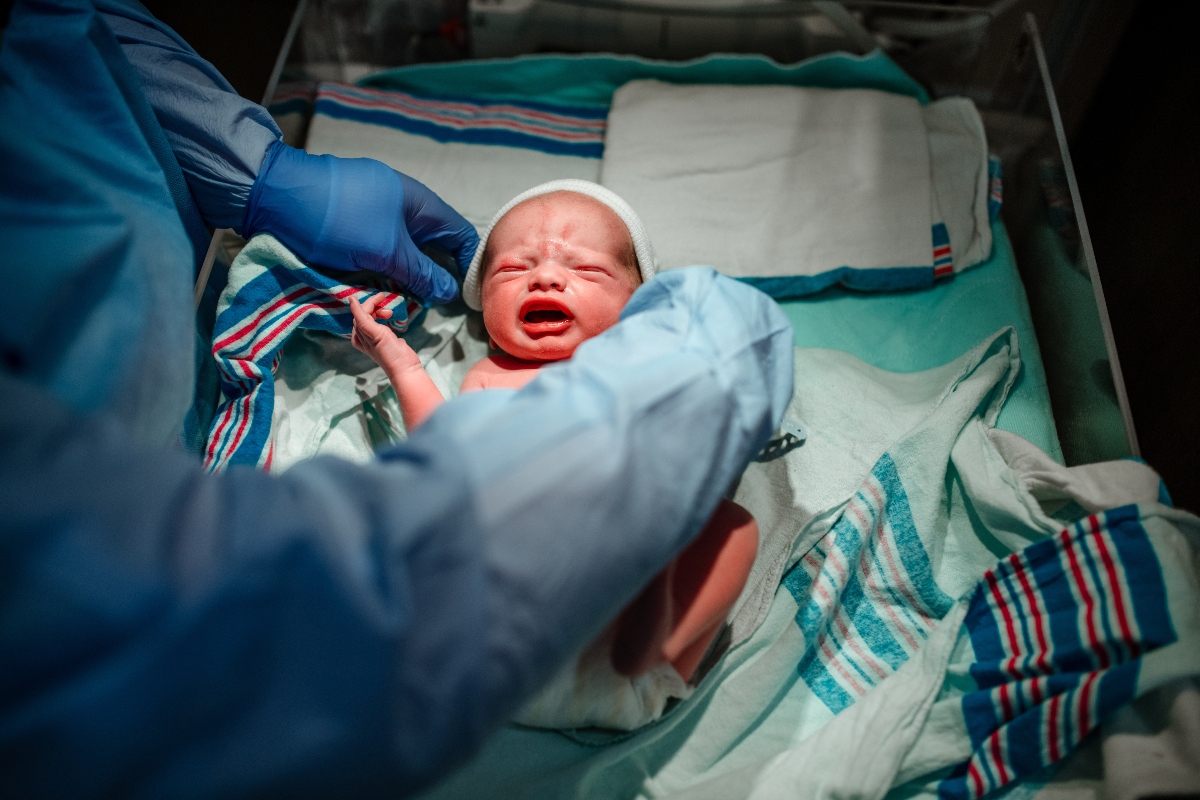
Trump’s measure sought to revoke birthright citizenship for children born in the U.S. if their parents were neither citizens nor legal residents.
Despite a June 27 Supreme Court ruling that limited the authority of judges to issue blockades with national effect, Sorokin argued that his measure is still covered by the exceptions contemplated in that decision, given that the blockade is essential to protect plaintiff states from irreparable harm.
This is the third major decision in recent days that maintains the blockade at the national level.
Other federal judges in New Hampshire, Maryland and California have also declared the order unconstitutional in lawsuits brought by Washington, New Jersey and civil groups.
Key legal fundamentals
Sorokin emphasized that only a nationwide order truly provides protection to plaintiff states by avoiding a legal patchwork that would hamper federal programs such as Medicaid or social services that depend on citizenship status.
The judge declared that the executive order violates the Fourteenth Amendment, which guarantees citizenship to anyone born on U.S. soil regardless of the immigration status of the parents.
New Jersey Attorney General Matthew Platkin publicly celebrated the ruling.
“Babies born in the U.S. are Americans as they have always been. The president cannot change that legal rule with the stroke of a pen.”
Relevance to Latino families in the U.S.
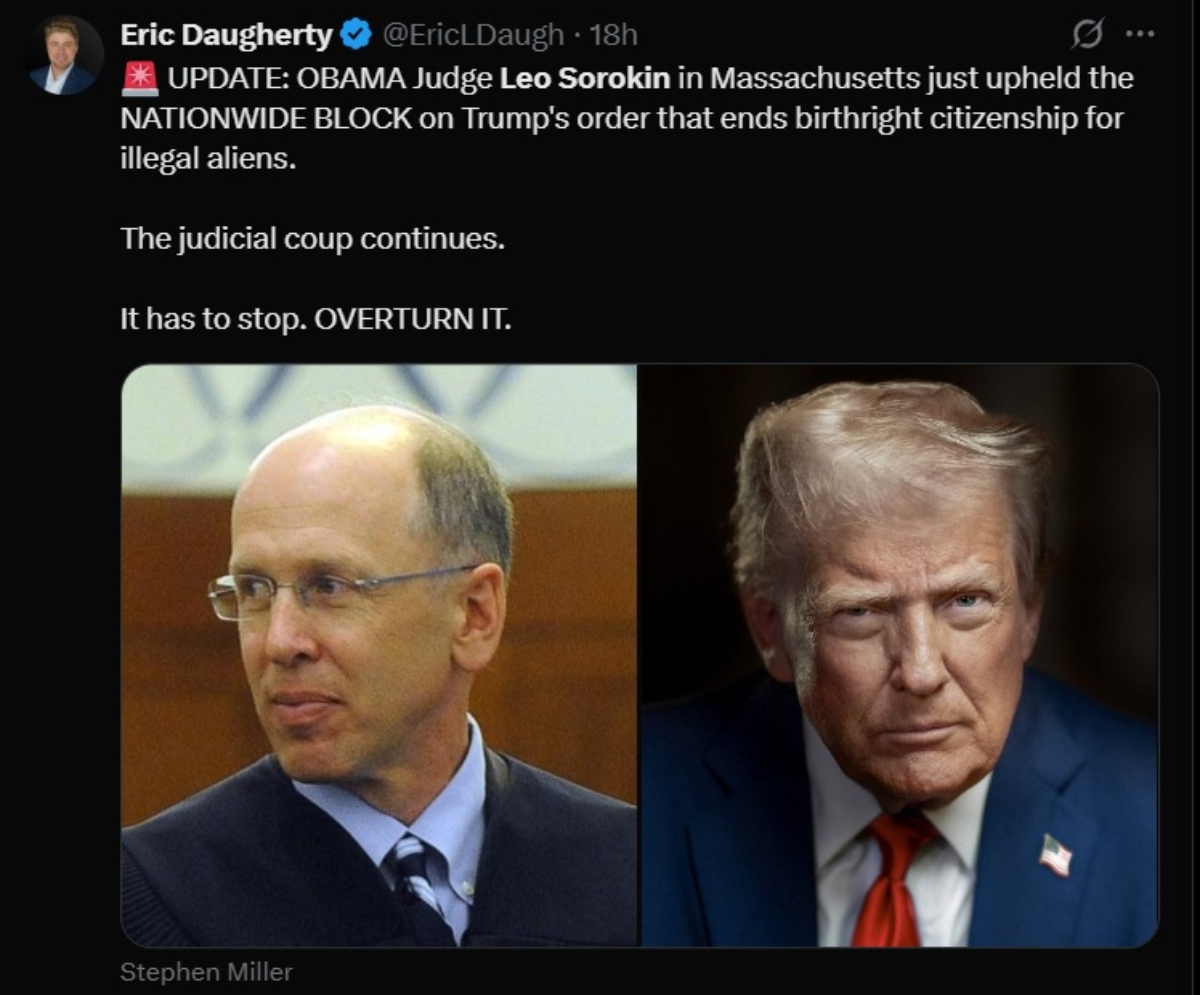
There is new ruling in the birthright citizenship case / PHOTO: Screenshot from Eric Daugherty’s X AccountFor the millions of children born in the U.S. to immigrant parents, this ruling represents a robust guarantee that their citizenship cannot be removed by presidential decree.
Had the executive order succeeded, they would face a loss of access to public health, education and social services.
In addition to affecting state funding for federal reimbursements.
Although a Supreme Court ruling in 2024 limited the national scope of some judicial decisions, the magistrate concluded that his decision is covered by a constitutional exception that allows for the protection of fundamental rights.
In his ruling, Sorokin concurred with an appeals court that also ruled against the executive order.
It declared “unconstitutional” any attempt to modify the principle of birthright citizenship by presidential decree.
Ningún poder ejecutivo puede sobrepasar los límites que impone la Constitución
Leo Sorokin
Future legal outlook
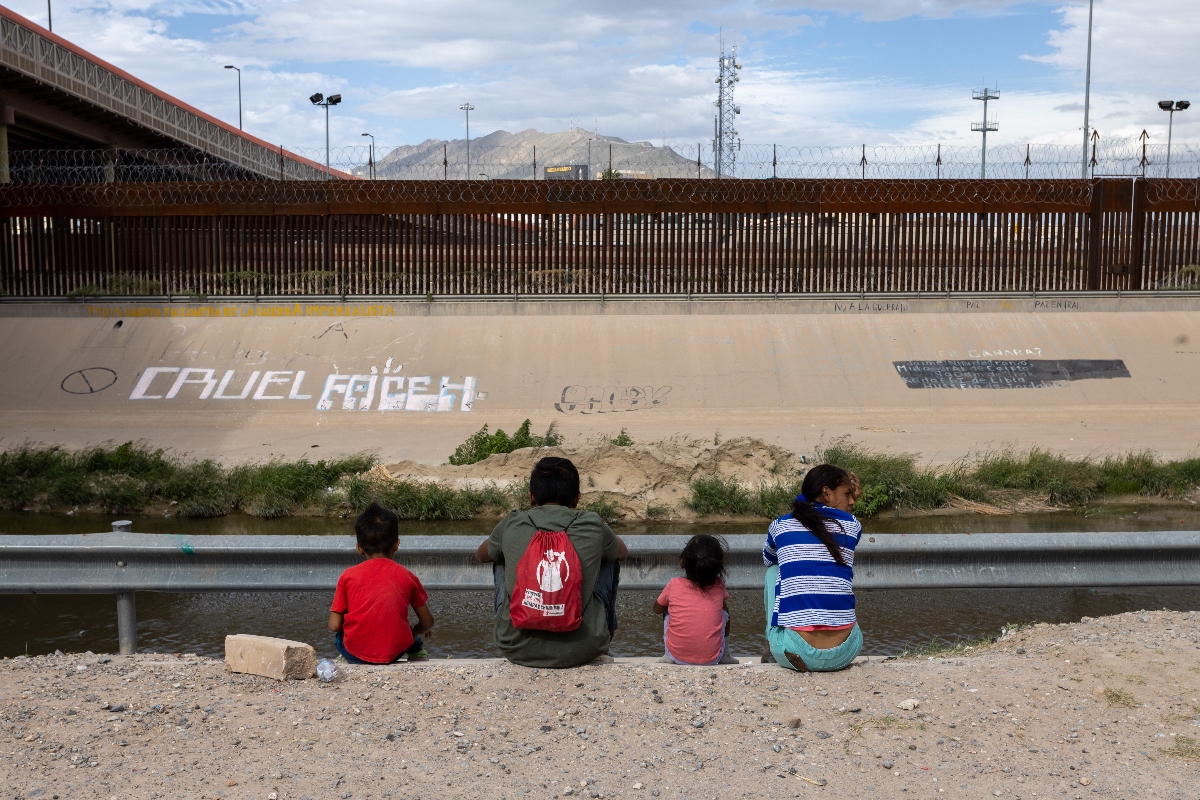
Although the courts have protected the right for now, the dispute could again reach the Supreme Court, which has not yet ruled on the constitutionality of the Presidential order.
In the meantime, litigation continues and the plaintiff states-along with civil organizations-seek to maintain the injunction through class actions to extend the national blockade.
In summary:
Judge Leo Sorokin’s ruling upholds the nationwide block on the January 2025 executive order.
This is already the third significant judicial blockage after the Supreme Court ruling.
For Latino families, the right to birthright citizenship remains fully protected.
Any future changes would require complex legislative decisions or a new constitutional reading by the Supreme Court.
The various rulings have reiterated that the Constitution cannot be reinterpreted unilaterally by any president.
Although there are sectors that still promote constitutional reform, any change to the 14th Amendment would require a complex legislative process.
As well as a qualified majority in Congress and the states, something unlikely in the current political context.