





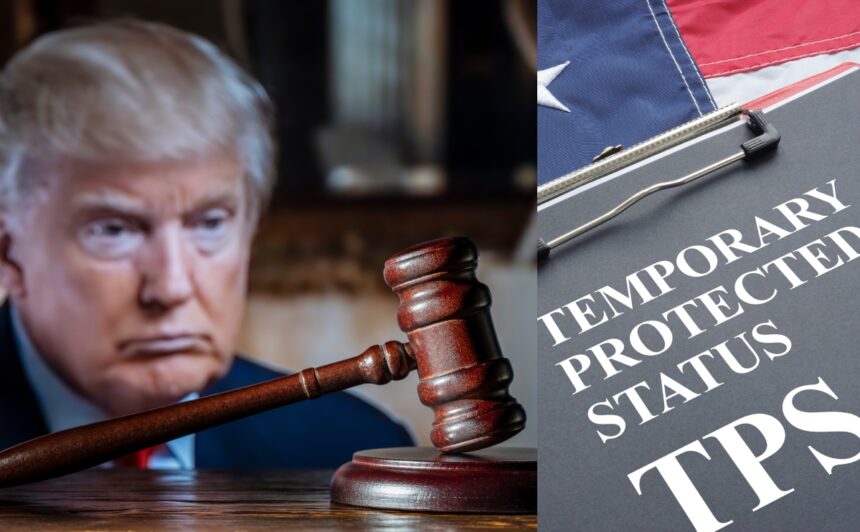
A federal judge in California has issued an order temporarily extending Temporary Protected Status (TPS) for approximately 60,000 immigrants from Honduras, Nicaragua and Nepal who were facing the loss of that legal protection.
The decision prevents TPS designations from being revoked for that group, while a key lawsuit against the federal government is ongoing, according to media outlets such as the San Francisco Chronicle.
Who benefits?
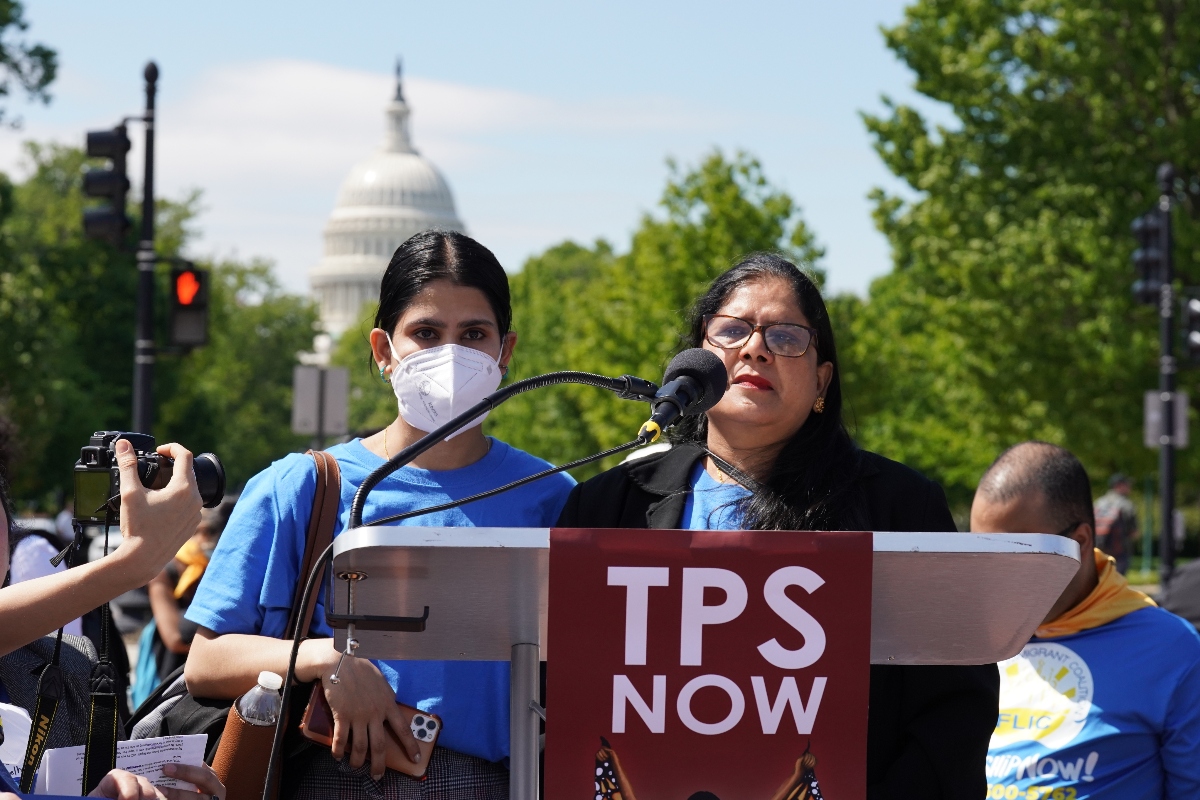
Initially, the temporary protection was to expire on August 5, 2025 for some 7,000 Nepalese nationals.
While about 51,000 Hondurans and 3,000 Nicaraguans would lose TPS on September 8, 2025.
This is according to the terms announced by the Department of Homeland Security (DHS).
The lawsuit
The extension was granted in the context of the federal lawsuit National TPS Alliance et al. v. Noem et al., filed on July 7, 2025 in the Northern District Court of California, under Judge Trina L. Thompson, nominated by President Biden in 2021.
The ruling concludes that the decision to terminate TPS appeared to be motivated by racial bias, citing statements by DHS Secretary Kristi Noem and a lack of objective analysis of current conditions in the affected countries.
The court has scheduled a key hearing for November 18, 2025, during which the possibility of extending or definitively annulling the announced terminations will be evaluated.
What does it mean for the beneficiaries?
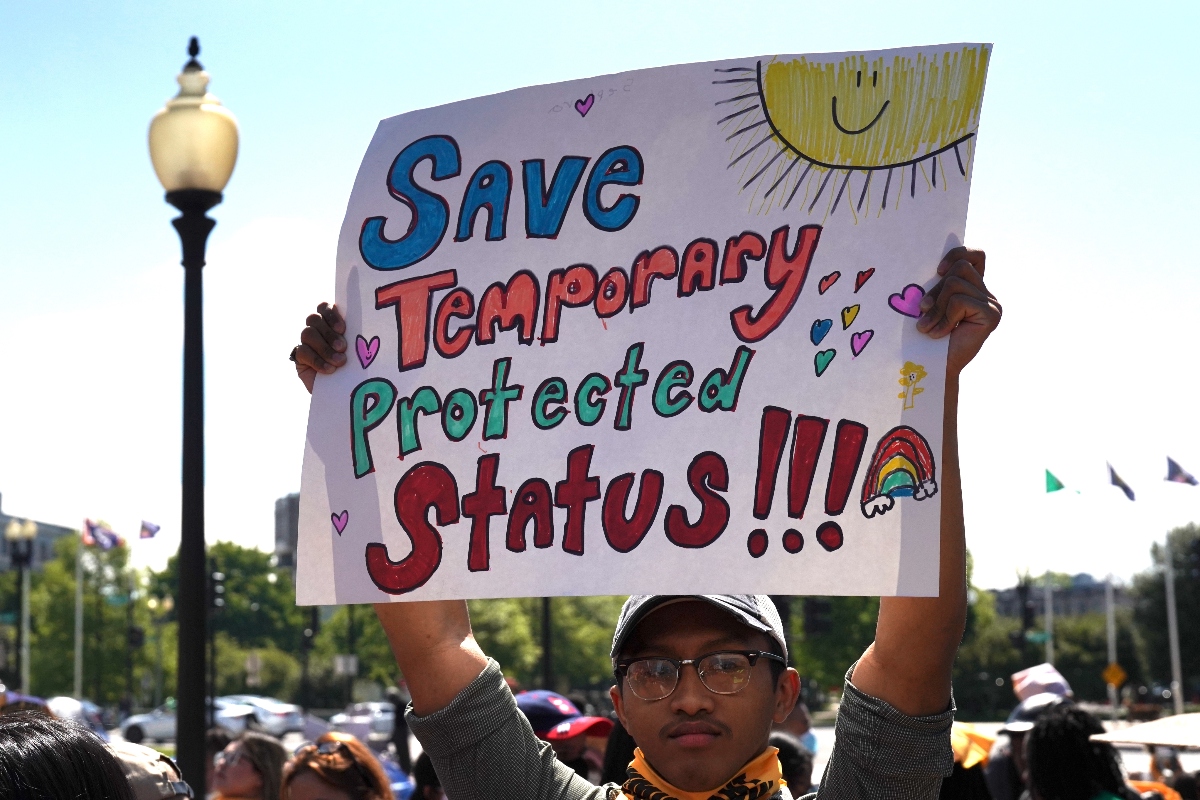
While the litigation continues, the affected migrants maintain their legal status, work authorization and protection against deportation.
Many immigrants have resided in the U.S. for more than 20 years, as is the case of those from Honduras and Nicaragua, or up to 10 years in the case of Nepal.
The ruling also highlights that the abrupt cancellation of TPS would entail significant costs to public health and local communities.
Political scenario and background
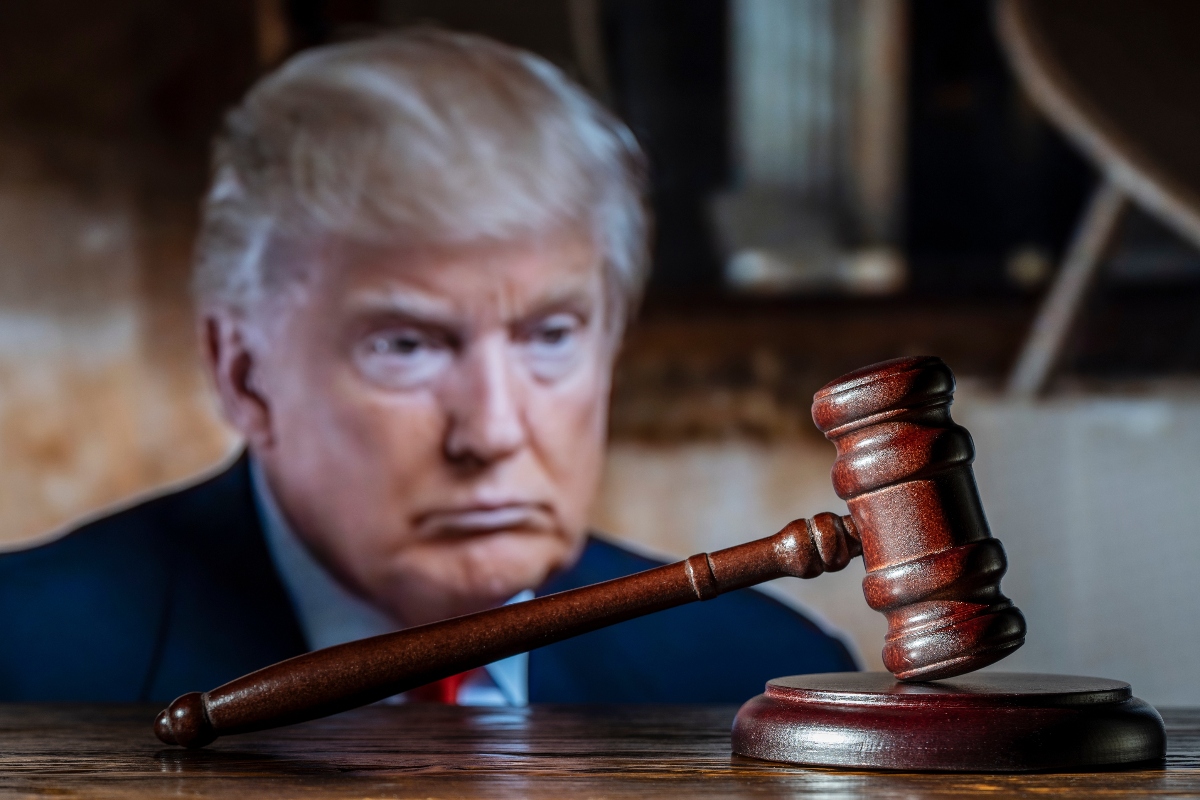
Since returning to the White House, President Donald Trump began revoking TPS for several countries, including Honduras, Nicaragua, Nepal, Haiti and Venezuela.
These measures were promoted on the grounds of improving conditions in the affected countries.
Although activists and immigration advocacy groups pointed out that most of the beneficiaries have lived in the U.S. for decades and are integrated into the local economy.
Prior to 2025, a court order in 2023 had already reinstated TPS for several countries until March 2025, while litigation was pending that halted earlier terminations.
Why does this decision matter to the U.S. Hispanic public?
Legality and daily life: Thousands of Central American families maintain their right to work, study and live in the U.S. while the legal battle continues.
Community support: Cities like New York joined coalitions to protect TPS and avoid separated family members.
Immigration reform at stake: The case sets a precedent for how conditions in the country of origin should be reviewed before terminating humanitarian protections.
The court has scheduled a key hearing for November 18, 2025, during which the possibility of extending or definitively annulling the announced terminations will be evaluated
QueOnnda.com