





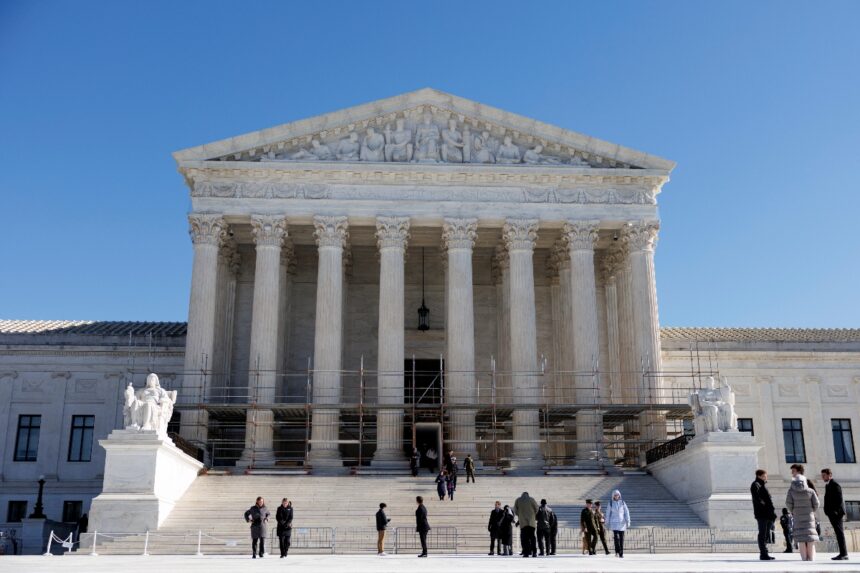
The U .S. Supreme Court declared Friday that the U.S. government overstepped the emergency powers invoked by President Donald Trump to impose much of its levies on the North American country’s trading partners, in a harsh setback to the president’s tariff policy.
With a clear 6-3 majority, the conservative-dominated Supreme Court handed the Republican one of the first major setbacks of his second term, a reversal of the trend so far favorable to the president on other key issues on his agenda.
IEEPA does not authorize peacetime tariffs
Representing the majority, Chief Justice John Roberts indicated that the Government has no inherent peacetime power to impose tariffs.
This based on the International Economic Emergency Powers Act (IEEPA) of 1977 invoked by Trump as a pillar of his trade war.
In its ruling, the Supreme Court finds that Trump’s use of this legislation would amount to an overly broad delegation of the taxing power that the Constitution reserves to Congress.
Since the High Court considers that tariffs are a type of tax on citizens.
The voices of dissent were those of Justices Samuel Alito, Clarence Thomas and Brett Kavanaugh, the most conservative justices on the Supreme Court.
In their opinion, the three judges consider that the president should not be limited in these matters.
For they consider that IEEPA can be used in foreign policy issues, which applies in this case.
White House explores other avenues
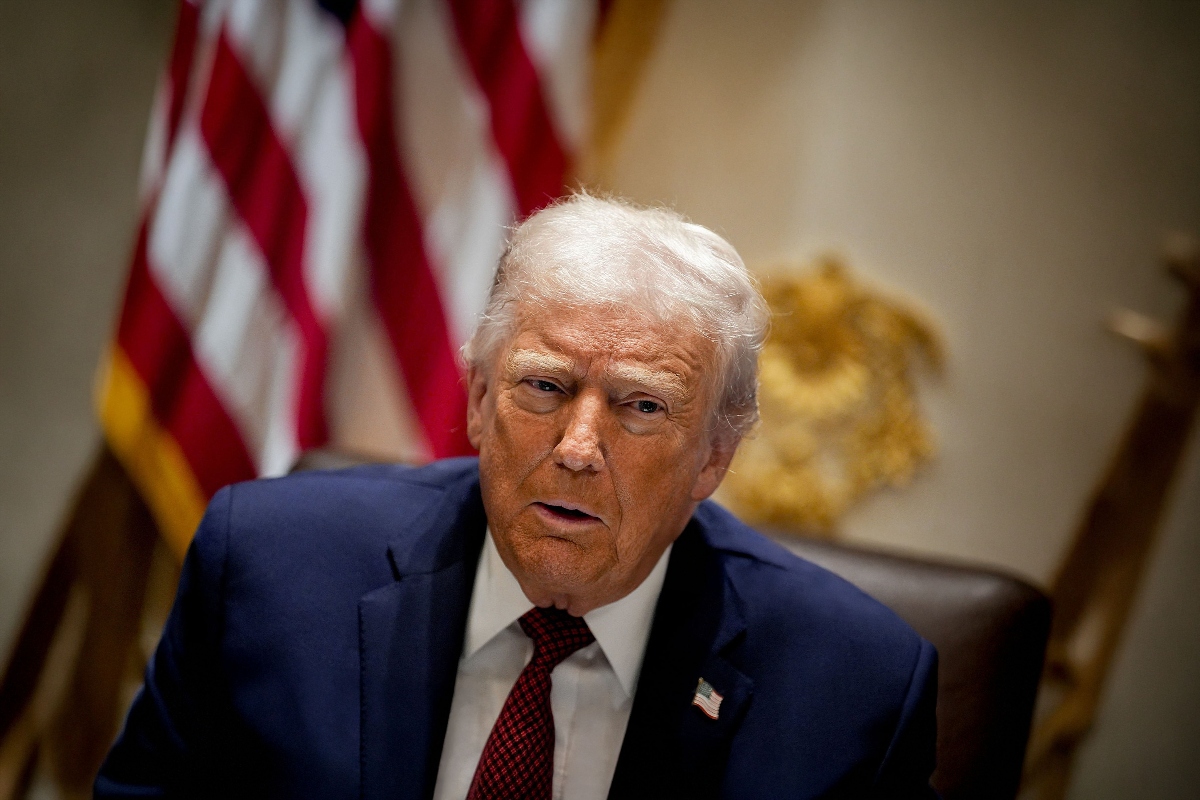
This decision against Trump’s powers to declare tariffs does not prevent the Republican from imposing levies under other laws.
Administration officials have already said they expect to uphold President Trump’s tariff framework on other legal grounds.
Although it is unclear whether those importers who have paid for the high tariffs imposed by the Administration will be able to apply for and receive refunds, equivalent to several billion dollars.
Trump has insisted that it would be “very disappointing” if the Supreme Court were to find the implementation of much of the tariffs illegal.
According to him, they are the key to his administration’s economic success and to put foreign policy pressure on other nations.
He also acknowledged that it would be “practically impossible” to return the amounts collected from importers.
Mexico and Latin America affected by challenged tariffs
Major setback to the president's tariff policy
QuéOnnda.com
Last August, following a lawsuit by two small importing companies, a Federal Circuit appeals court found that Trump had no right to impose so-called “reciprocal tariffs.”
These range from 50% in Brazil and India to the minimum base of 10% in the United Kingdom and most Latin American countries.
The court also found that it did not have the authority to implement the 25% levy imposed on certain products from Canada, China and Mexico.
As a result, Washington considers insufficient efforts to stop the entry of fentanyl into the US.
However, it avoided freezing the application of tariffs to allow time for the Federal Government to take the case to the Supreme Court.
With information from EFE
For more information, visit QuéOnnda.com