





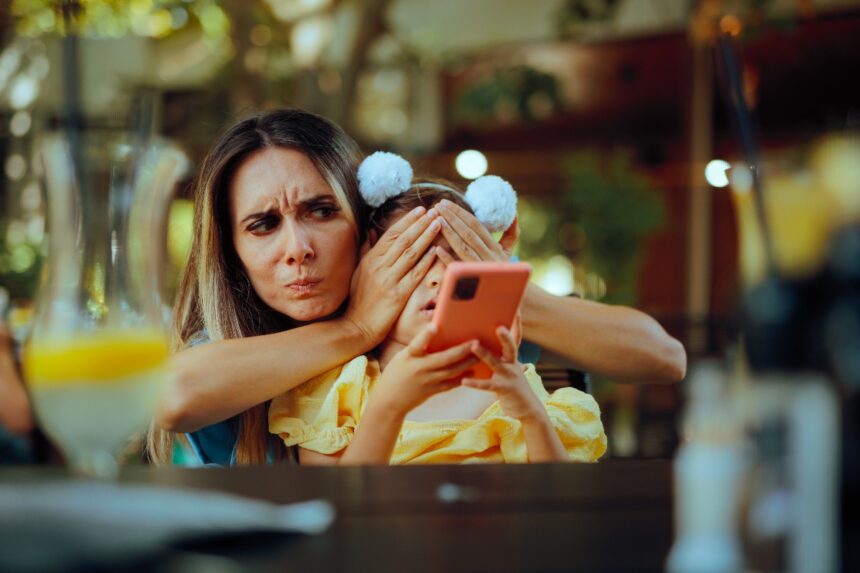
In the United States, children spend more time in front of screens than at any other time in history. Phones, tablets, television, video games and computers are part of daily life, whether at home or at school. However, excessive use of screens can affect children’s vision, causing eyestrain, blurred vision, headaches and even increasing the risk of myopia, according to the American Academy of Ophthalmology (AAO).
For many Hispanic families, reducing screens may seem impossible, especially when children use them for studying, entertainment or communication. But protecting their eye health doesn’t mean eliminating technology, it means learning how to use screens in a healthy way. Here’s how to do it.
The 20-20-20 rule: the trick most recommended by ophthalmologists
One of the simplest and most effective tips to avoid children’s eyestrain is:
Every 20 minutes, look at something 20 feet away for 20 seconds.
This technique gives the eye a needed rest and prevents fatigue, especially during digital homework.
You can set a timer or use apps that remind you to rest.
Limits screens according to age (official guide)
The American Academy of Pediatrics (AAP) recommends:
Children under 2 years of age: avoid screens, except for video calls.
2 to 5 years: Maximum 1 hour per day of quality content.
6 years and older: Establish consistent boundaries and specific schedules.
For working Latino parents who need to entertain children, these limits can be difficult, but even reducing 30 minutes a day already helps eye health.
Adjusts lighting: avoids glare and reflections

Many children use tablets or cell phones in dark environments, which forces the eye to overstrain.
To protect your vision:
Keep a soft light in the room.
Avoid screens with maximum brightness.
Place the screen in front of the child, never sideways to a window.
A useful trick: if you see the reflection of a window on the screen, change its position.
Safe distance: 40 cm for tablets and 50-60 cm for computers
Experts recommend:
The tablet should be at the distance of the child’s forearm.
The computer, at arm’s length.
The screen should be slightly below eye level.
Being in close proximity increases the risk of childhood myopia.
Prioritizes outdoor activities: they reduce the risk of myopia
Studies from the University of Melbourne and the AAO show that children who spend at least 90 minutes a day outdoors have a lower risk of developing myopia.
Natural light helps eye development and balances screen time.
Simple ideas:
After-school walks
Bicycle rides
Games in the park
Backyard chores
Avoid “infinite scrolling” before going to sleep
Using screens before bedtime affects eyesight and disturbs sleep. The recommendation is:
Turn off screens 1 hour before bedtime
No cell phones in bed
Using “night mode” to reduce blue light
Children who sleep better also have less eyestrain during the day.
How to protect your children from screens
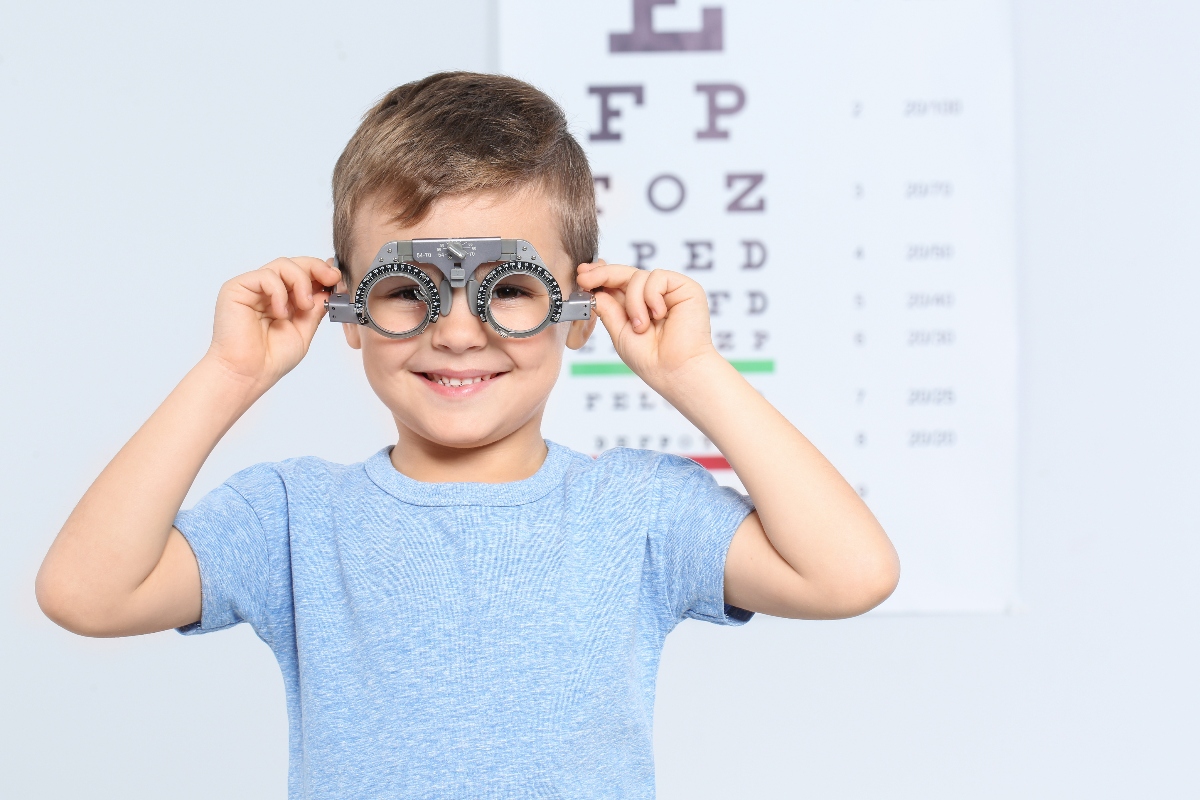
Vision screenings help detect problems early. The AAO recommends screenings:
At 4-5 years of age, before starting school
Every school year after that
Immediately if they have: headache, blurred vision, squinting or difficulty reading.
Many U.S. insurances include eye exams, and some opticians offer free or low-cost tests.
Protecting children’s vision in a screen-filled age is possible.
It is about creating healthy habits, balancing time in front of devices and encouraging activities that strengthen their eyes.
With small daily changes, you can help your children maintain healthy eyesight and prevent problems that could affect their learning and well-being.
Filed under: How to protect your children from screens