




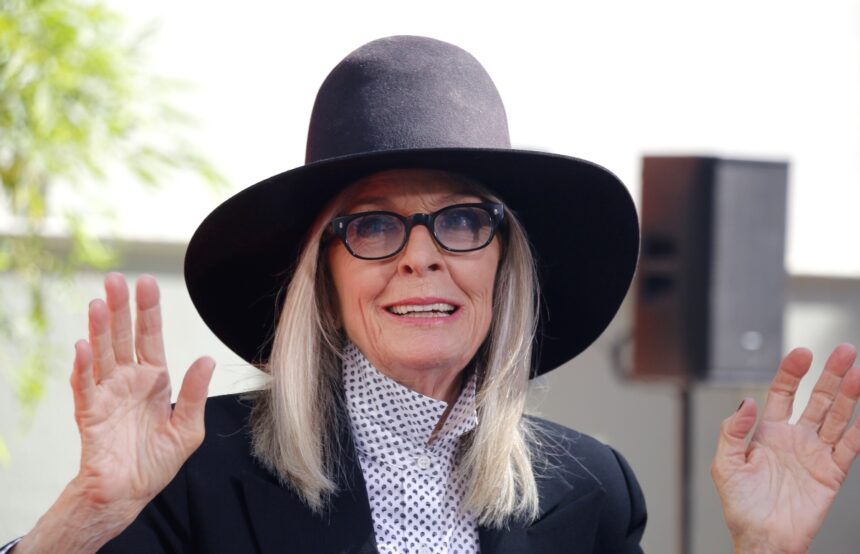
The film world bids farewell to one of its most admired figures. Hollywood icon and Oscar-winning actress Diane Keaton has died at the age of 79 in California, her family confirmed to People magazine.
So far, the cause of death has not been disclosed, and his loved ones have requested respect and privacy during this difficult time.
Keaton leaves behind an artistic legacy that spans more than five decades, establishing her as one of the most unique, versatile and beloved performers in American cinema.
Her career was epoch-making, especially for her unique style, her authenticity and her ability to play complex characters with an unmistakable blend of intelligence, humor and vulnerability.
Diane Hall, the actress’s birth name, was born on January 5, 1946 in Los Angeles, California. She was the oldest of four siblings in a middle-class family. Her father worked as a civil engineer, while her mother, a woman of creative spirit, was a homemaker and her main source of inspiration.
In a 2004 interview with People, Keaton fondly recalled his mother’s influence: “She sang. She played the piano. She was beautiful. She was my advocate.”
From a very young age he showed artistic inclinations. She participated in school plays and, after finishing high school, she enrolled in drama classes, although she did not complete a formal degree. Determined to devote herself to acting, she moved to New York to pursue her dream on the theatrical stage.
Upon joining the actors’ union, she discovered that a registered “Diane Hall” already existed, so she adopted her mother’s maiden name, Keaton, with which she would go on to build one of Hollywood’s most notable careers.
Diane Keaton and her great legacy
In 1968, Keaton got her first major break when she was cast as an understudy in the Broadway production of “Hair,” a musical emblematic of the 1960s counterculture. Her refusal to participate in the group nude scene – an act that caught the attention of the public and the producers – showed early on her strong character and personal convictions, traits that would accompany her throughout her career.
A year later, in 1969, her destiny changed when she was chosen by Woody Allen as co-star of his theatrical comedy Play It Again, Sam. The chemistry between the two was immediate, both professionally and personally, giving birth to a creative and sentimental relationship that lasted for several years.
The success of the play on Broadway opened the doors to the cinema and marked the beginning of a fruitful collaboration with Allen, with whom he would later work on titles such as Sleeper (1973), Love and Death (1975) and, above all, Annie Hall (1977).
Her true consecration came in 1972, when Francis Ford Coppola chose her to play Kay Adams, the girlfriend -and later wife- of Michael Corleone (Al Pacino) in The Godfather. The film became a cultural phenomenon and brought Keaton international recognition, standing out for her naturalness and emotional depth.
The actress reprised the role in The Godfather: Part II (1974) and The Godfather: Part III (1990), establishing herself as an essential face in one of the most influential sagas of modern cinema.
In 1977, Keaton reached the pinnacle of her career when she starred in Annie Hall, directed by Woody Allen. Her interpretation of an eccentric and charming young woman redefined the feminine canons of American romantic cinema.
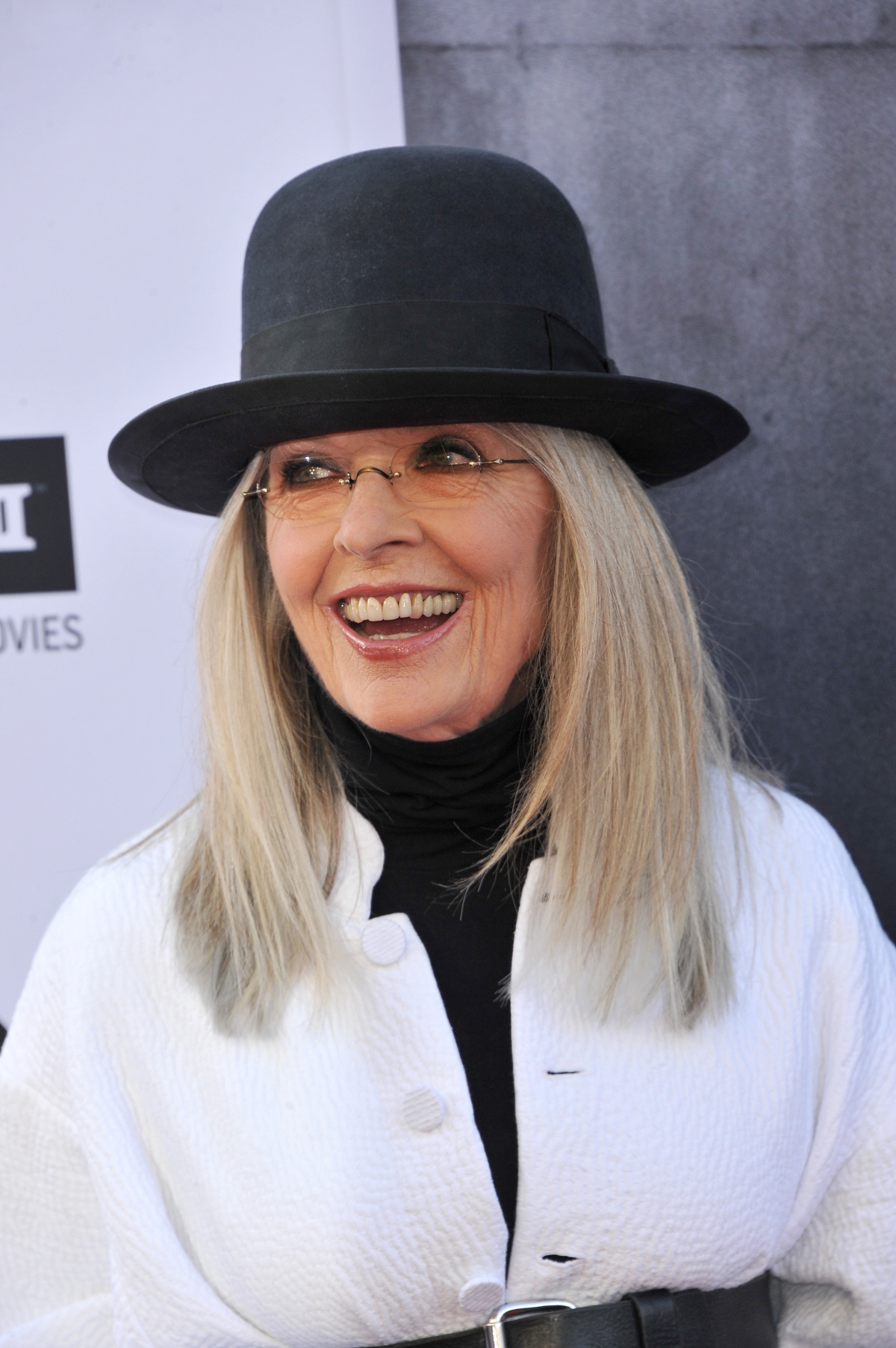
The role not only won her an Oscar for Best Actress, but also made her a cultural icon, thanks also to her distinctive style: masculine suits, wide ties and trend-setting hats.
Thereafter, Keaton built a diverse filmography with memorable roles in such films as Reds (1981), Baby Boom (1987), The First Wives Club (1996), Something’s Gotta Give (2003) and Book Club (2018), among many others.
Diane Keaton was recognized not only for her talent, but also for her unique personality, her sense of humor and her independence in an industry dominated by stereotypes. She never married and always defended her right to personal and professional freedom, becoming a benchmark for female empowerment in Hollywood.
Her death leaves a deep void in the artistic community, but also a legacy of authenticity, talent and courage. With more than five decades in film, Diane Keaton will be remembered as one of the great actresses of her generation, a woman who transformed her eccentricity into art and her vulnerability into strength.
Find out more at ‘QueOnnda.com’.