




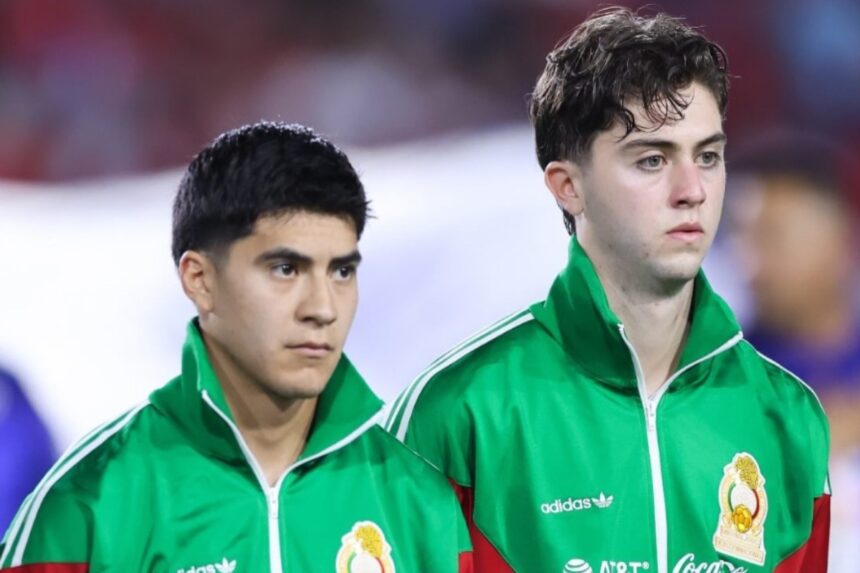
The historic rivalry between U.S. and Mexican soccer added a new chapter in 2026, this time away from the field and directly in the digital arena. A recent publication by Major League Soccer (MLS) on social networks sparked an intense debate among Mexican fans by showing Brian Gutiérrez and Obed Vargas, currently selected for the Tricolor, accompanied by the message: “Made in MLS”.
For many Mexican soccer fans, the message was interpreted as a direct provocation and an uncomfortable reminder: some of the talent that today excites the Mexican National Team was developed outside the traditional structure of Liga MX. The publication was not casual. It reflects an increasingly visible reality: players with dual nationality who are trained in the U.S. and choose to represent Mexico.
Brian Gutierrez, a product of the U.S. system
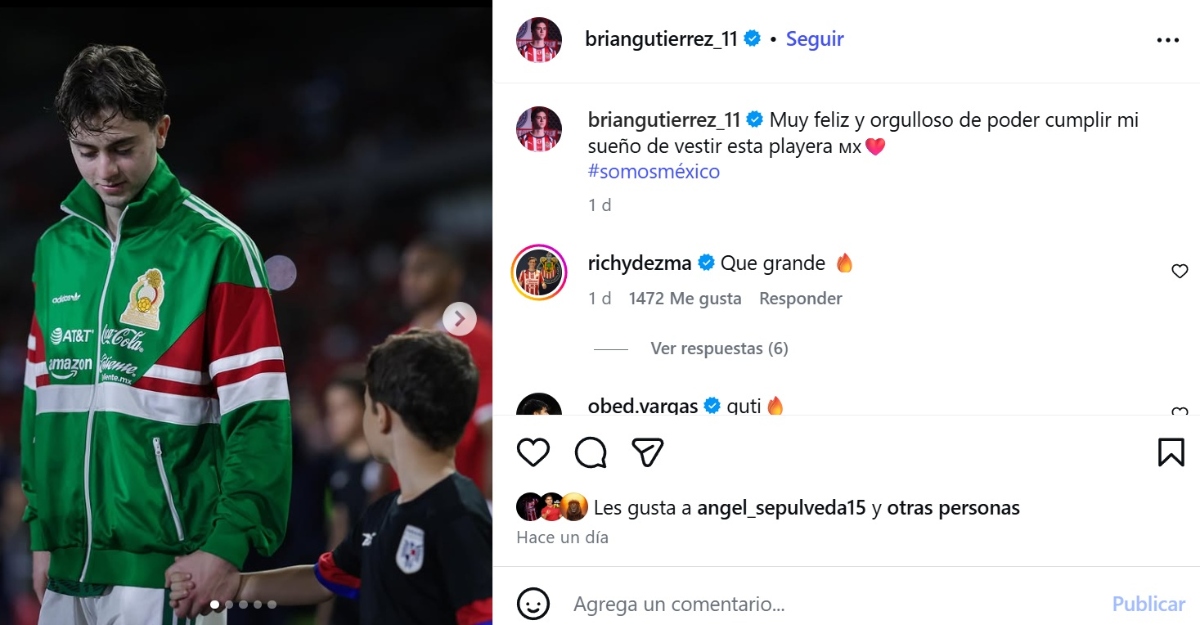
The case of Brian Gutiérrez is one of the most representative.
Formed in the MLS’s Chicago Fire, the attacking midfielder has established himself as one of the club’s most consistent young stars:
Accumulating 164 official games, with 21 goals and 25 assists.
His creative ability and ability to read the game made him a benchmark for the team before he made the leap to Mexican soccer with Chivas.
Although he had previous participation with U.S. youth teams, Gutierrez used FIFA’s One Time Switch, a mechanism that allows players with dual nationality to change federation only once.
Thus, he was definitively qualified to represent the Mexican National Team, strengthening El Tri’s project for international competitions.
Obed Vargas and the road to Europe
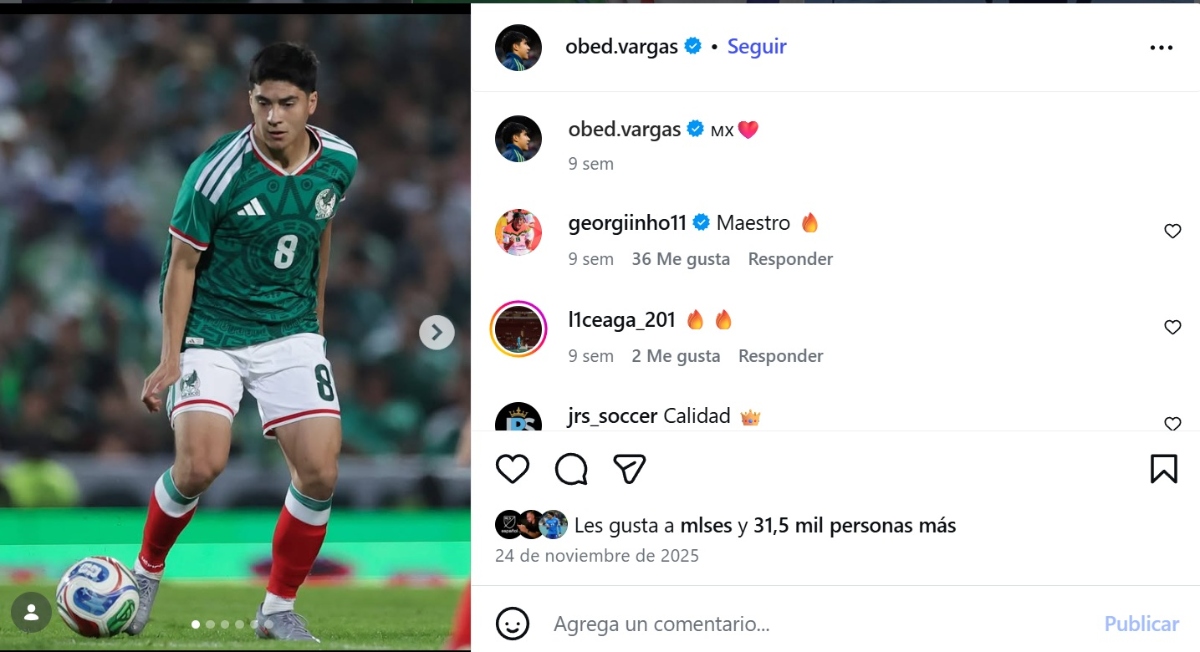
Meanwhile, Obed Vargas continues to be one of the most coveted gems to emerge from MLS.
The Seattle Sounders midfielder has now surpassed 130 official games for the club.
He was a key player for Mexico in the U-20 World Cup, where the team reached the quarterfinals.
His growth sparked interest in Liga MX, including an attempt by América to sign him.
However, Vargas opted to stay in MLS, with the clear objective of jumping directly to European soccer, avoiding an intermediate stage in Mexico.
The message was interpreted as a direct provocation
QuéOnnda.com
A message that goes beyond an image
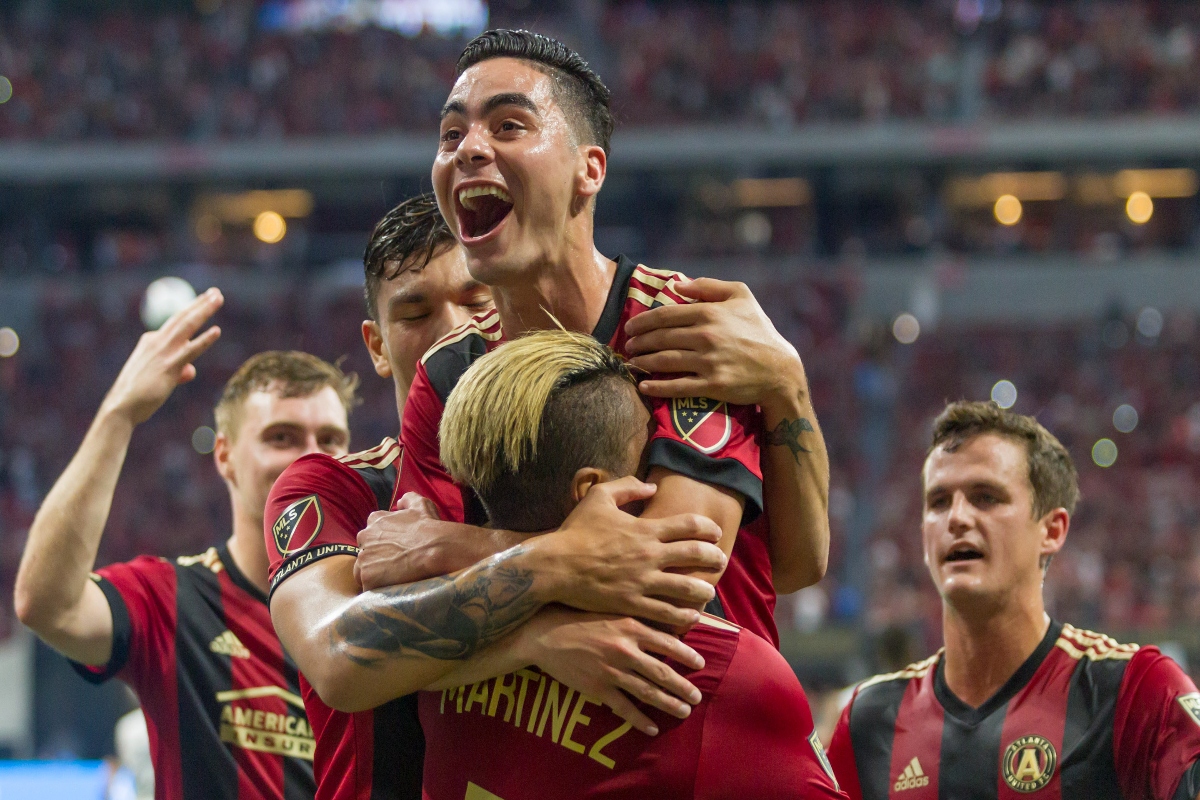
Against this backdrop, the MLS message takes on a deeper meaning.
While Mexico celebrates having these players in the Tricolor, the U.S. league is vindicating its role as a producer of international talent.
For the U.S. Hispanic fan, the debate is clear:
Soccer no longer understands borders, and training in the MLS has become a key factor in the future of Mexican soccer.
For more information, visit QuéOnnda.com.