




Protecting your health and the health of your community starts with something as simple as keeping up with vaccinations. If you are an adult living in the United States, it is important to know which vaccines are recommended to prevent common and dangerous diseases.
This guide is designed for the Latino community, highlighting key information to take care of yourself and your loved ones.
1. Why are adult vaccines important?
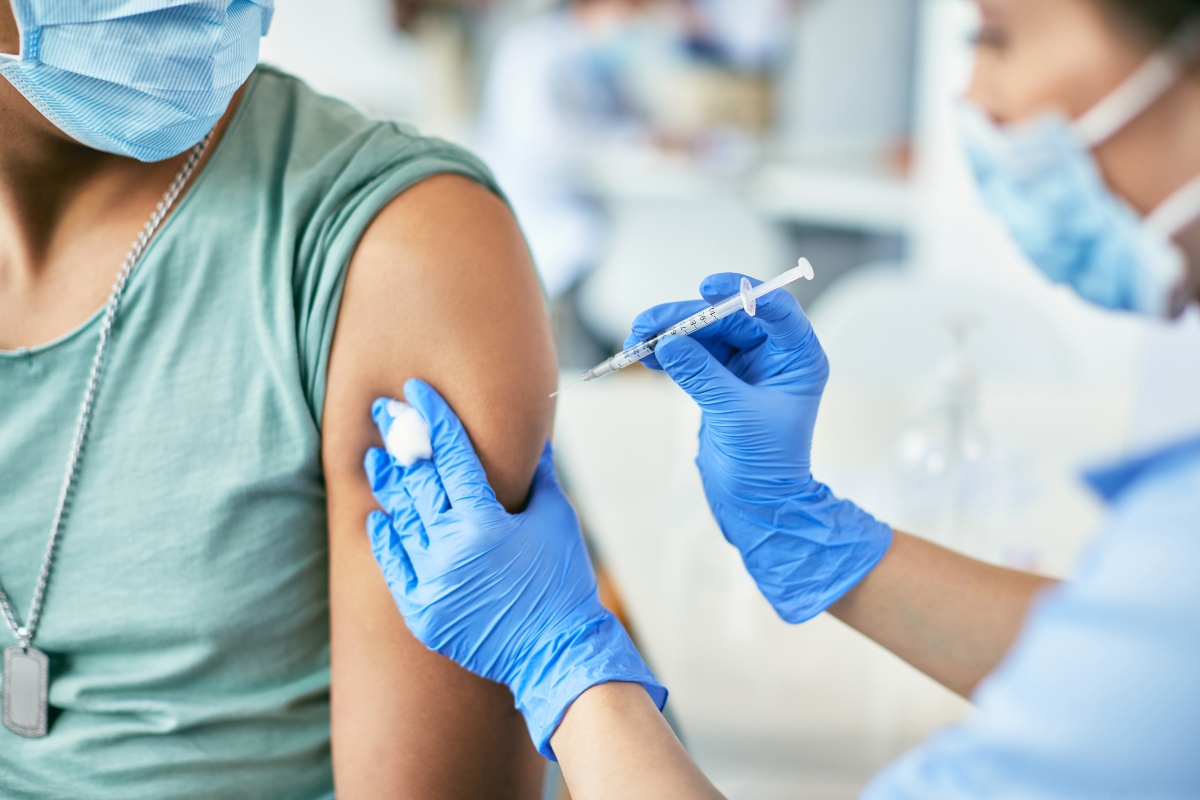
Personal protection: Some diseases such as influenza and pneumonia can have serious complications, especially in people over 50 years of age.
Community care: Getting vaccinated also protects those who cannot, such as young children or people with weakened immune systems.
Economic prevention: Getting sick can result in costly medical bills and loss of income.
2. U.S. adult core vaccines.

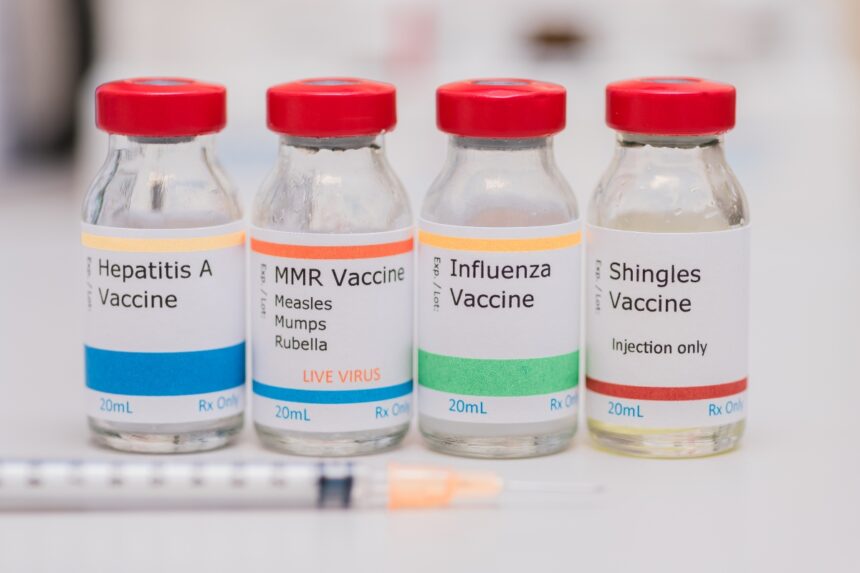
Influenza (flu): Annual. Flu vaccination is recommended for all adults each year, especially for those with chronic diseases such as diabetes or hypertension.
Pneumococcus: For people over 65 years old. It helps prevent serious infections such as pneumonia, meningitis and septicemia. It is also advisable for people with chronic diseases.
Tetanus, diphtheria and pertussis (Tdap): Every 10 years. It protects against these bacterial diseases and is crucial for those in contact with infants, as it helps prevent whooping cough.
Hepatitis B: For those at risk. Recommended for adults with liver conditions or those working in health areas.
Herpes zoster (shingles): From the age of 50. One dose of this vaccine can prevent the pain and discomfort caused by shingles, a disease that affects those who have had chickenpox.
3. Where can you get vaccinated in the U.S.?
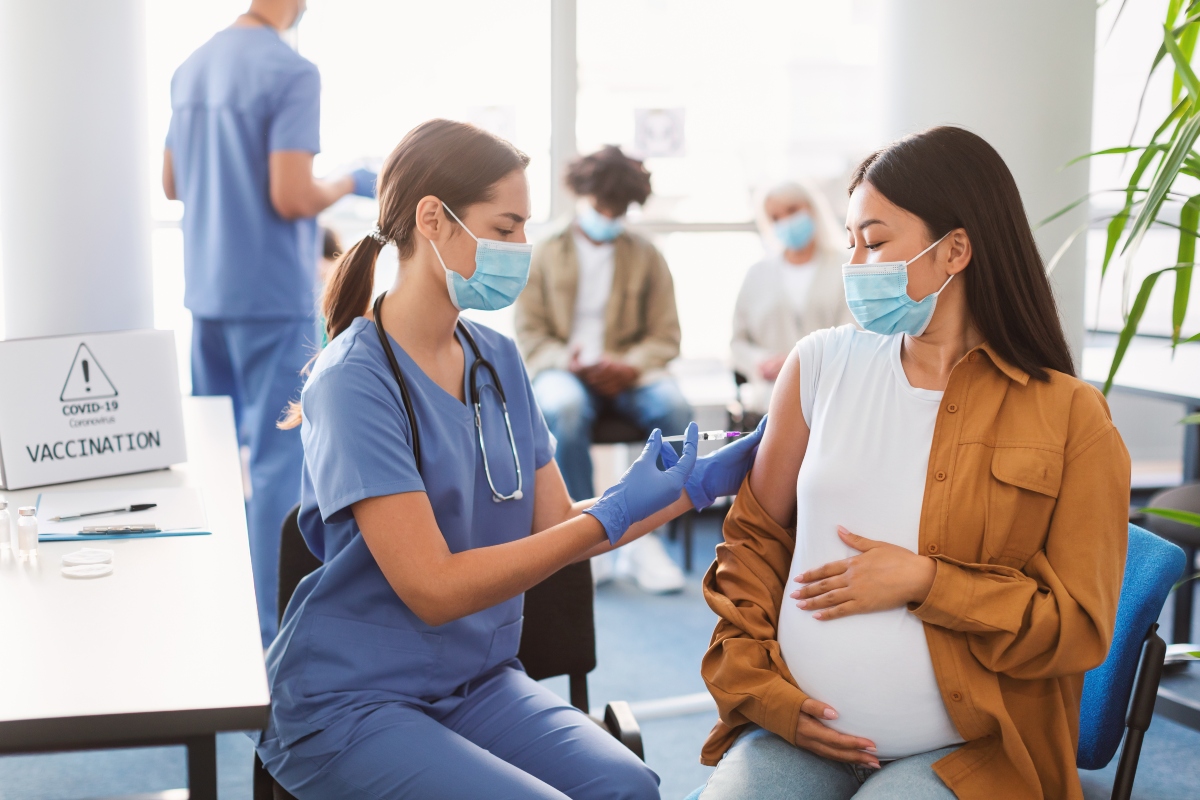
Local pharmacies: Places like Walgreens and CVS offer vaccines on a walk-in basis.
Community clinics: Many have low-cost or free programs for Hispanics.
Local health department: They frequently conduct free vaccination campaigns.
4. Common myths about vaccines
“I’m too old to get vaccinated”: False. Vaccinations are essential at all stages of life.
“Vaccines cause disease”: All vaccines in the U.S. go through rigorous safety checks via the Centers for Disease Control and Prevention.
“If I don’t have health insurance, I can’t get vaccinated”: False. There are free or low-cost options.
La mejor manera de saber qué vacuna está disponible, es acudir a un centro médico
QuéOnnda
Find out more at QuéOnnda.com.