





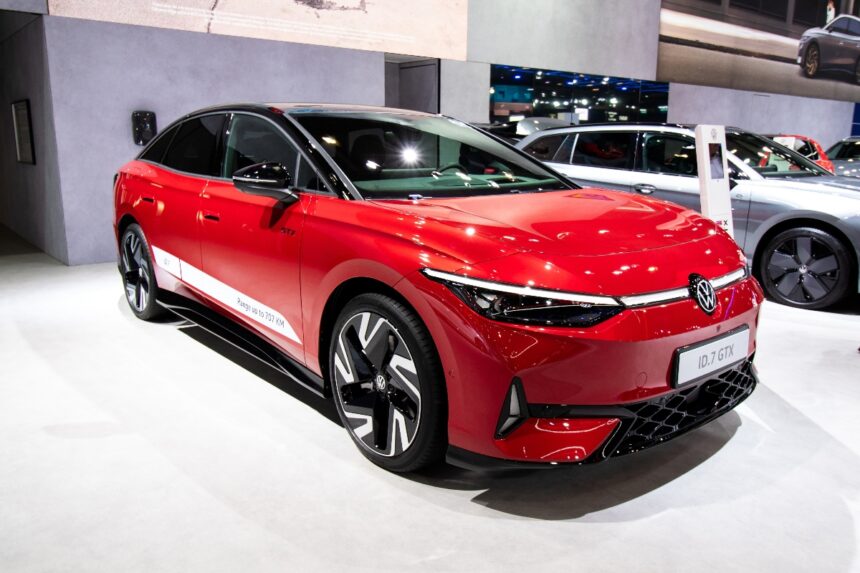
“Our goal is to make an electric vehicle accessible to everyone.” With those words, Thomas Schäfer, CEO of Volkswagen, marked a before and after for the global automotive industry in 2024 , and now, in 2025, the promise takes shape and points directly to 2026 as the key year for accessible electrification.
The German giant not only plans to compete with Tesla, Ford or Hyundai: it wants to lead the electric revolution in price, design and accessibility, three key factors for many Hispanic families in the United States who are looking for a reliable, modern vehicle… and without breaking the bank.
Electric for the people?
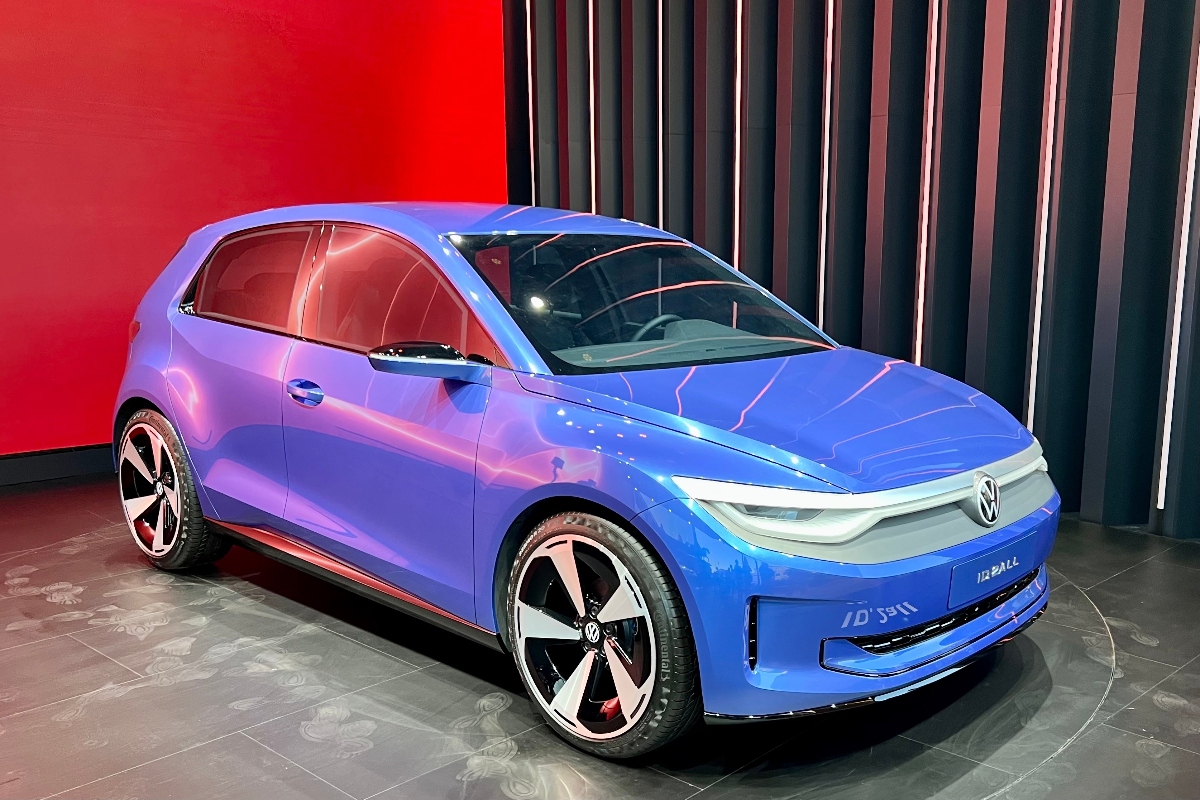
Among the most talked-about announcements is the Volkswagen ID.2all, an electric compact that will cost less than $25,000 according to official figures from the brand.
Scheduled to debut in Europe in 2025 and arrive in the United States in 2026, this Volkswagen model promises a range of 279 miles and fast charging, all with the hallmark of German engineering.
The ID.2all is not just a car, but a statement: “We want to make electric mobility accessible to everyone,” Schäfer said at a conference from Wolfsburg.
And that’s especially relevant for the Latino community, where many are looking for affordable options that don’t sacrifice quality.
Beyond 2026
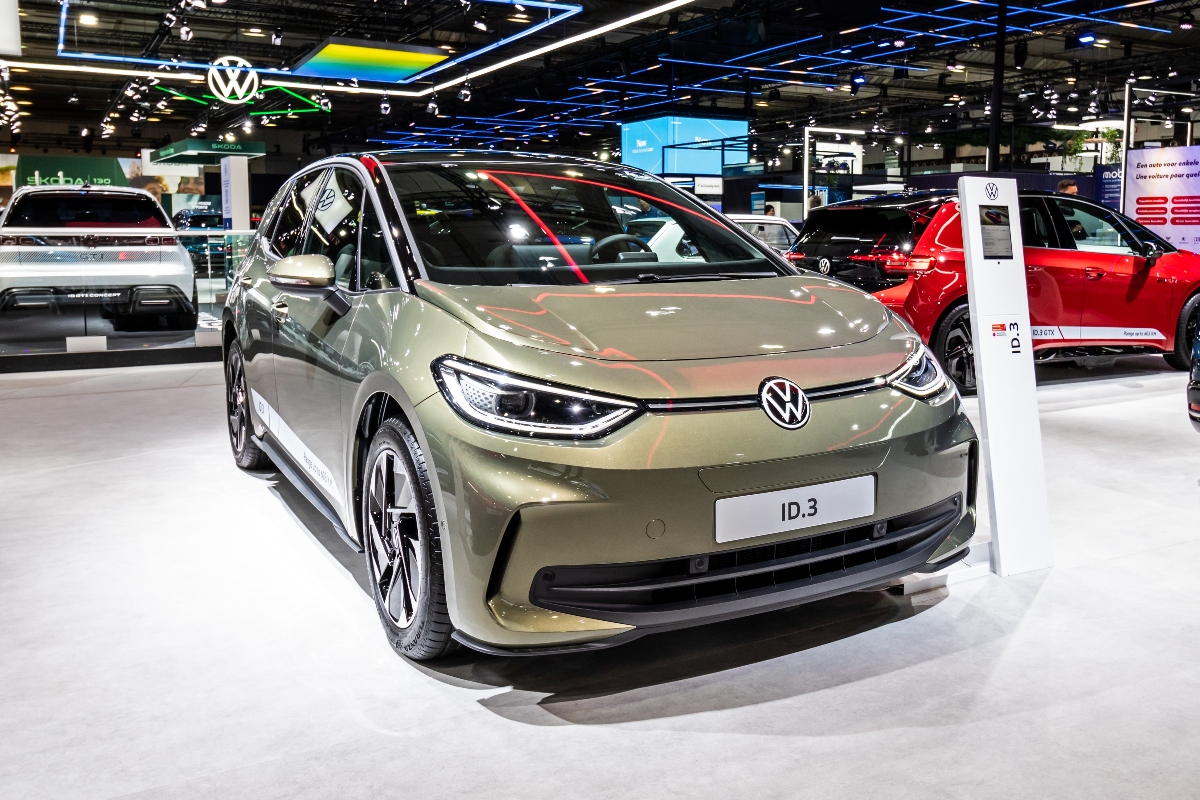
Volkswagen plans to invest more than $180 billion in electrification and digitalization by 2030.
Part of this investment is already reflected in its new battery plants in North America, which will reduce logistics costs and could make U.S. models cheaper.
The German giant wants to lead the electric revolution in price, design and accessibility
QueOnnda.com
In addition, the brand plans to launch at least 10 new electric models by 2027, including compact SUVs, family sedans and an even cheaper urban model than the ID.2all.
In the United States, plans include increasing local production of electric vehicles in Chattanooga, Tennessee, where the ID.4 is currently assembled.
This not only reduces lead times, but opens the door to tax credits under the Inflation Reduction Act.
This is key for Hispanic shoppers on a budget.
Meaning for Latinos
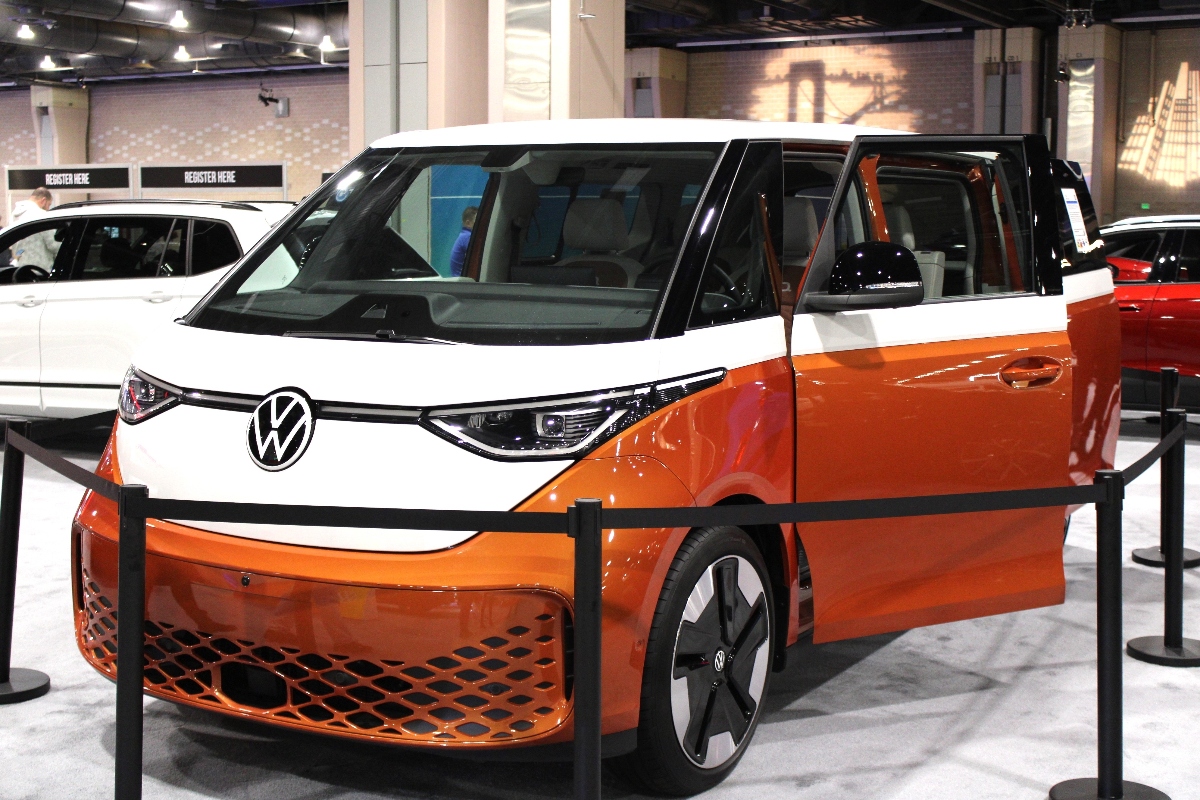
The Hispanic community accounts for 30% of U.S. automotive market growth, according to a Nielsen study (2024).
And with a growing preference for efficient and economical vehicles, Volkswagen’s focus on electrics could be a watershed.
Models like the ID.2all or future affordable electrics could mark a new era for Latino families:
Less gasoline, less maintenance, more technology… and a lower environmental impact.
But there are also challenges: there is still a lack of freight infrastructure in rural and urban areas with high Hispanic density.
Not all incentives are available to immigrants without defined legal status. It is a promising, but still unequal future.
For more information, visit QueOnnda.com.