




With the death of Pope Francis, the Catholic Church officially enters a period known as “sede vacante”, that is, the absence of the Supreme Pontiff. This period concludes with the celebration of the conclave, an ancient and rigorous process aimed at electing the next pope.
For millions of Catholics – including the Hispanic community in the United States – this moment represents a spiritual transition of profound significance.
What is a conclave?
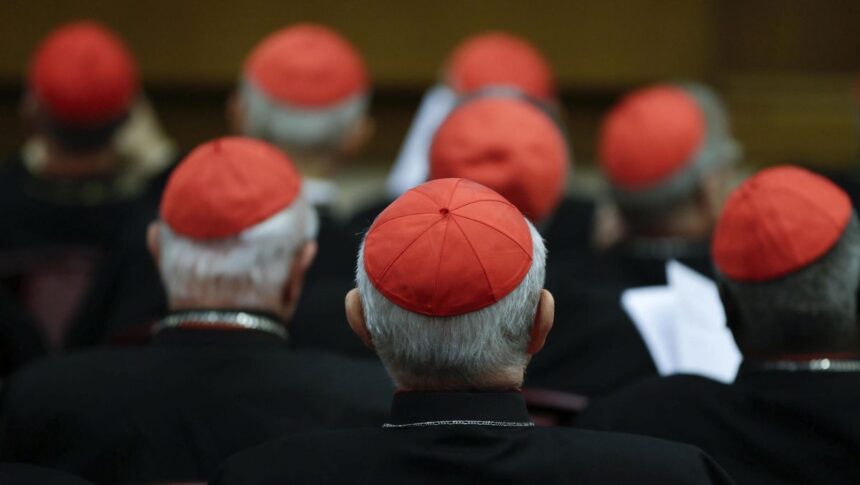
The word conclave comes from the Latin cum clave, which means “under lock and key,” and refers to the isolation in which the cardinal electors, all under 80 years of age, meet in the Sistine Chapel.
There, in strict secrecy, they remain without contact with the outside world until a new pontiff is elected.
Who organizes the process
During the vacancy, the Vatican’s camarlengo – currently U.S. Cardinal Kevin Farrell – assumes the temporary administration of the Holy See.
His initial duty is to summon all cardinals to Rome, both for the funeral of the deceased pope and to prepare for the conclave, which must begin within 20 days of the pontiff’s death.
This is how the conclave unfolds
Total isolation
On the appointed day, after the Mass Pro eligendo Pontifice in St. Peter’s Basilica, the cardinals enter the Sistine Chapel in procession singing the Veni Creator Spiritus.
There, under Michelangelo’s fresco of the Last Judgment, they take an oath of secrecy.
The master of ceremonies then declares: “Extra omnes” (out all) and the doors are closed.
2. The secret ballot
There are currently 138 cardinal electors from various parts of the world, reflecting the global character that Pope Francis promoted in his ten consistories.
A two-thirds majority is required to be elected pope.
One vote is taken daily on the first day and up to four votes per day on successive days (two in the morning and two in the afternoon).
Each cardinal writes the name of his choice on a ballot paper with the phrase “Eligo in Summum Pontificem”, folds it, places it in the ballot box and pronounces a solemn oath. A team of scrutineers reads the votes aloud, and then strings them on thread.
3. The smokes
The vows are burned in a stove connected to a chimney protruding from the ceiling of the Sistine Chapel.
If the smoke coming out is black, there was no consensus.
If it is white, a new pope has been elected.
To avoid confusion, certified chemicals have been used since 2005 to intensify the color of the smoke.
If the smoke is white, a new pope has been elected
QueOnnda.com
4. The announcement: Habemus Papam
Once elected, the cardinal dean – today Giovanni Battista Re – asks the elected if he accepts the office.
If you accept, you will be asked for the name you wish to be called.
Then, the new pope retires to the “room of tears”, where a white cassock in three different sizes awaits him.
Minutes later, the protodeacon appears on the central balcony of St. Peter’s Basilica and pronounces the famous Latin formula: “Habemus Papam”.
The new pontiff then goes out into the world and offers his first blessing Urbi et Orbi (to the city and the world).
When will the conclave begin?
According to Efe news agency, Vatican regulations establish that the conclave of cardinals must begin between 15 and 20 days after the beginning of the Sede Vacante in order to allow all the cardinals of the world to come to Rome.
Re will be the one to set the date for the first congregation for its first objective: to agree on the date of the conclave.
Afterwards, other meetings will be held for the purpurates to get to know each other and begin their alliances or to locate the future pontiff, as happened with Jorge Mario Bergoglio, who convinced the majority with his speech on reforming the church and making it more universal.
Francis avoided the election of the new dean of the College of Cardinals, even though he himself established the 5-year rule, and confirmed Giovanni Battista Re, who, at 91 years of age, will organize the congregations, but will not preside over the conclave, which gathers the purpurates under 80 years of age.
For more news, visit QueOnnda.com.