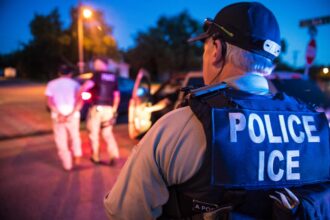





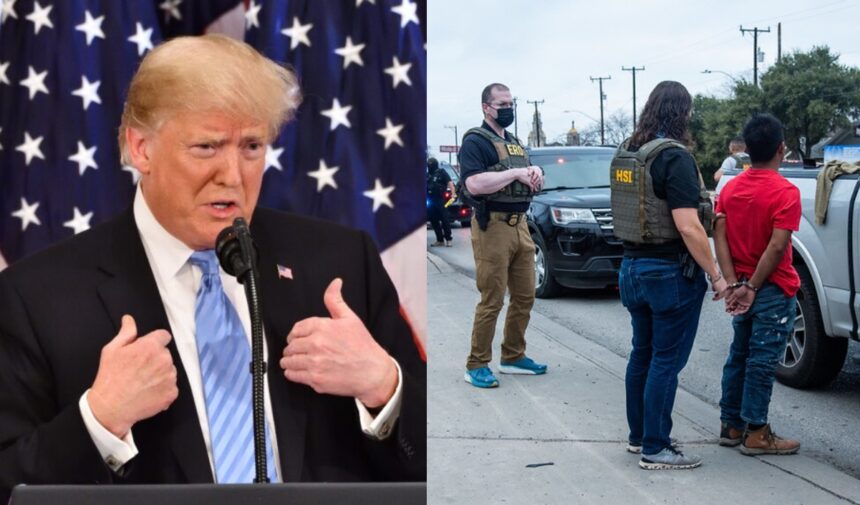
In June 2025, U.S. immigration authorities have reactivated detention and deportation operations for undocumented workers in key sectors such as agriculture, hospitality and catering, marking a reversal of the discretionary enforcement policy that had been in place in previous years.
Despite continued pressure from agricultural, hotel and restaurant businesses, the Department of Homeland Security(DHS) and Immigration and Customs Enforcement (ICE) have intensified immigration raids in these areas. The measure has generated alarm among employers, immigrant advocates and Latino community leaders, who warn of the economic and social consequences of these actions.
What changed?
During the Trump administration (2017-2021), ICE implemented massive immigration raids.
Although at certain times exceptions were made for sectors that depended on immigrant labor.
However, these flexibilities were gradually eliminated.
By 2021, the Joe Biden administration had established more humane priorities for ICE.
They focused on people with serious criminal records and significantly reduced workplace raids.
However, since 2024 and with a tougher political trend on immigration – including the strengthening of the conservative wing of Congress – many of those priorities have been reversed.
In early 2025, internal memos revealed that ICE was instructed to resume labor investigations and operations in locations traditionally considered “sensitive”.
This includes farms, processing plants, hotels and restaurants, where a significant proportion of Latino immigrant workers without legal status are concentrated.
Economic and social effects
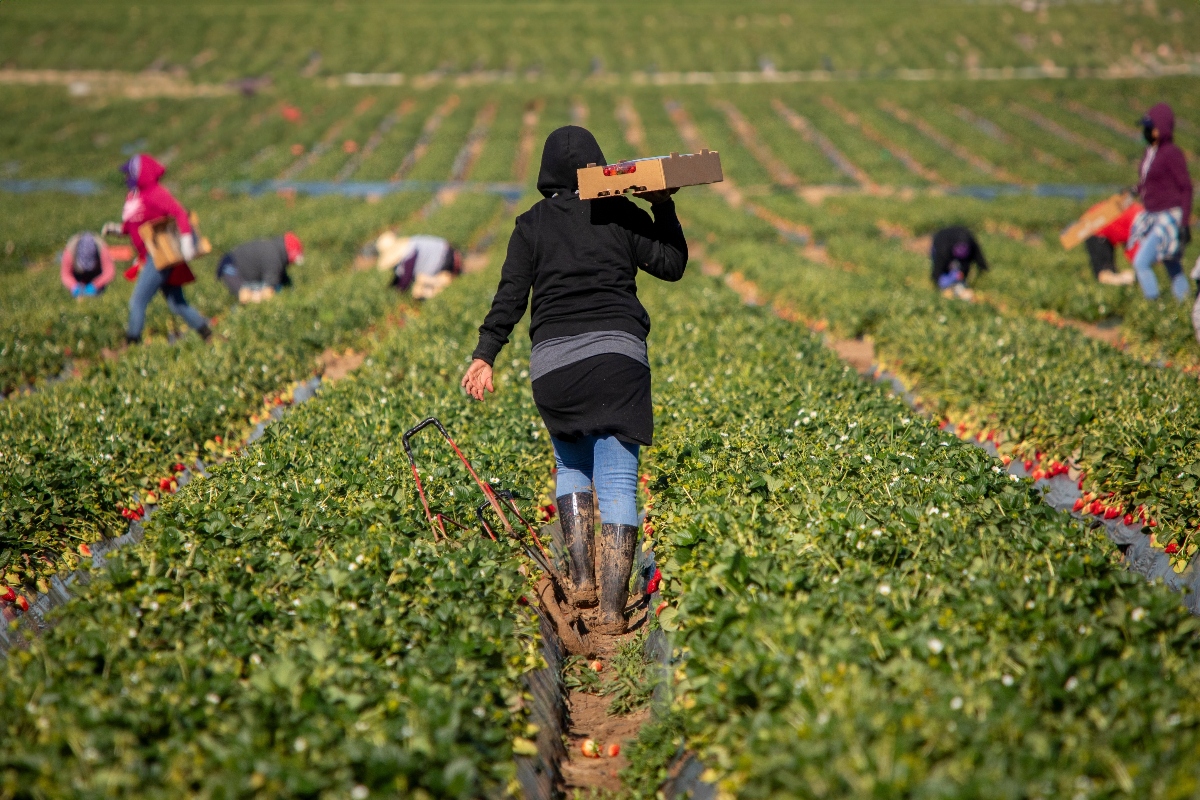
ICE’s reactivation of immigration raids is of particular concern to rural communities in California, Texas and Florida, where many farms were already facing labor shortages.
Entrepreneurs claim that replacing workers with years of experience is not feasible in the short term, putting entire harvests at risk.
The measure has raised alarm
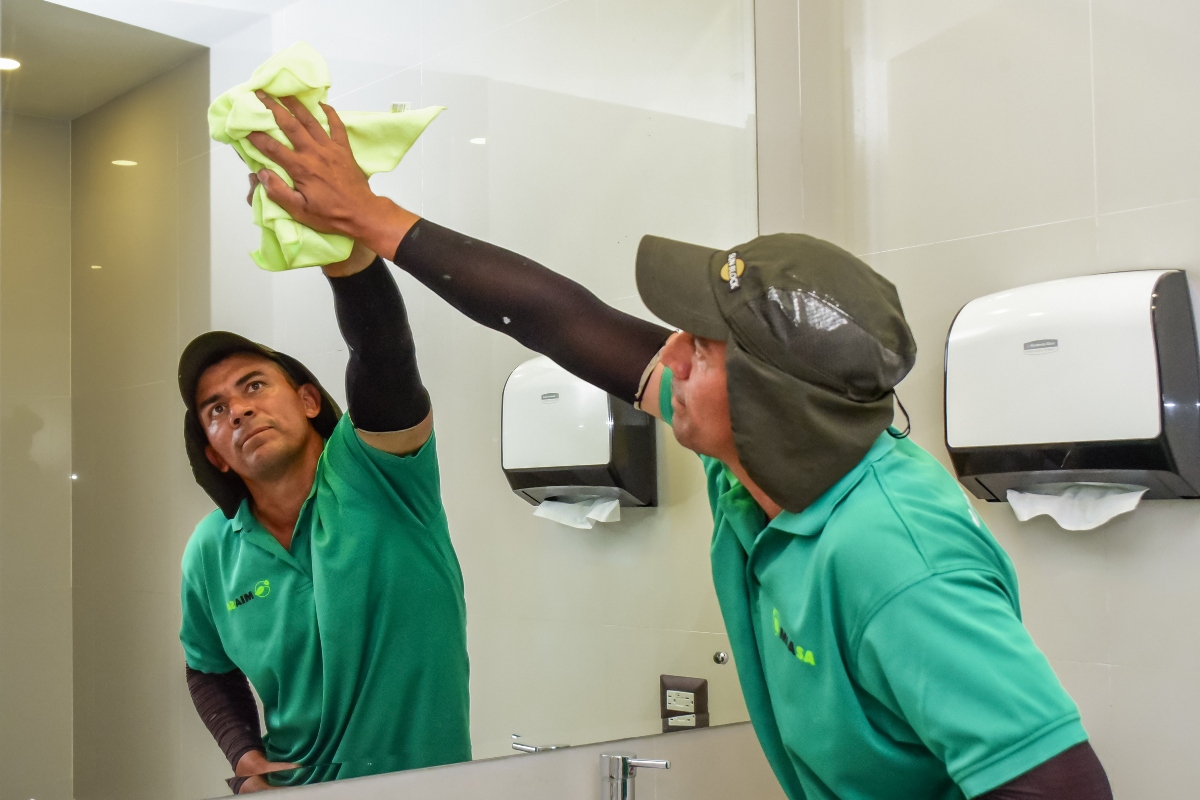
In the hotel sector, a massive loss of employees is anticipated in cities with a high dependence on tourism, such as Las Vegas, Miami and New York.
The National Restaurant Association has already warned that the raids will affect the supply chain and customer service at a time when the country is still recovering economically from the pandemic and inflation.
Latin voices raise their voices

Groups such as the American Immigration Council and United We Dream have denounced these actions as a way to criminalize essential workers.
Advocates argue that the raids have a deterrent effect on reporting labor abuses and foster a generalized climate of fear.
Especially among mixed Hispanic families (with both citizen and undocumented members).
There have also been reports of operations involving the use of drones and electronic surveillance on medium-sized farms, raising additional concerns about privacy and respect for civil rights.
For more information, visit QuéOnnda.com.