






During Hispanic Heritage Month, thousands of families celebrate with joy and pride their traditions in the United States. However, amidst the celebrations, a concern persists that affects many households: scams.
Recent data from the Pew Research Center shows that 73% of U.S. adults have been victims of an online scam at least once and 32% experienced fraud in the past year. Additional research indicates that Hispanics are more likely to lose money to digital manipulations. Here are common scams affecting Hispanics.
All this is happening as fraudsters perfect their methods, taking advantage of language and trust to gain access to personal data or money.
Suffice it to recall that, according to the consumer protection bureau, more and more people are reporting scam attempts via calls, messages and web platforms.
Scams can take different forms.
From romantic deceptions to identity theft, the Hispanic community faces a range of dangers.
In many cases, the sense of urgency is the main trick, as scammers push for a quick reaction that prevents verification of the authenticity of the situation.
Over the last year, the most recurrent strategies have become sophisticated and use advanced technology, including artificial intelligence, to simulate voices or create fake messages.
Despite the risks, knowing the most common forms of scams is the first step to protect your family and avoid financial losses.
Types of Scams Affecting Hispanics

One of the most reported scams among Hispanics is the well-known grandfather scam.
Seniors prove to be a frequent target. According to AARP, 41% of Latinos over the age of 50 have been victims of this type of scam.
Criminals often make contact by telephone, pretending to be a family member in distress and, using artificial intelligence, manage to imitate voices to convince more easily.
It is essential not to respond impulsively to an urgent request and always confirm the situation with another family member using a known number.
Expert advice stresses that you should never act under pressure, as this is the main tactic of the scammer.
Romance scams, meanwhile, have grown in recent years with the expansion of social networks.
Scammers create fake profiles on dating apps, show interest and then ask for money or personal data. Most fraud attempts happen in the first few weeks of contact.
Authorities recommend to be wary if someone you only know virtually asks for money or gifts quickly.
Verification of online profiles and photos can help detect irregularities and avoid deception.
Other methods of scams directly affect privacy.
Impersonation occurs when fraudsters impersonate banks, government agencies or even immigration officials.
They do so to alarm about alleged problems, asking for confidential information under threats or promises of help.
If in doubt, it is essential to contact the official organization through confirmed channels and never give out passwords or account information by phone or social networks.
There are free identity monitoring tools that can help families prevent fraud; Chase, for example, provides alerts for suspicious movements without requiring you to be a customer of your bank.
How to avoid falling into the trap?
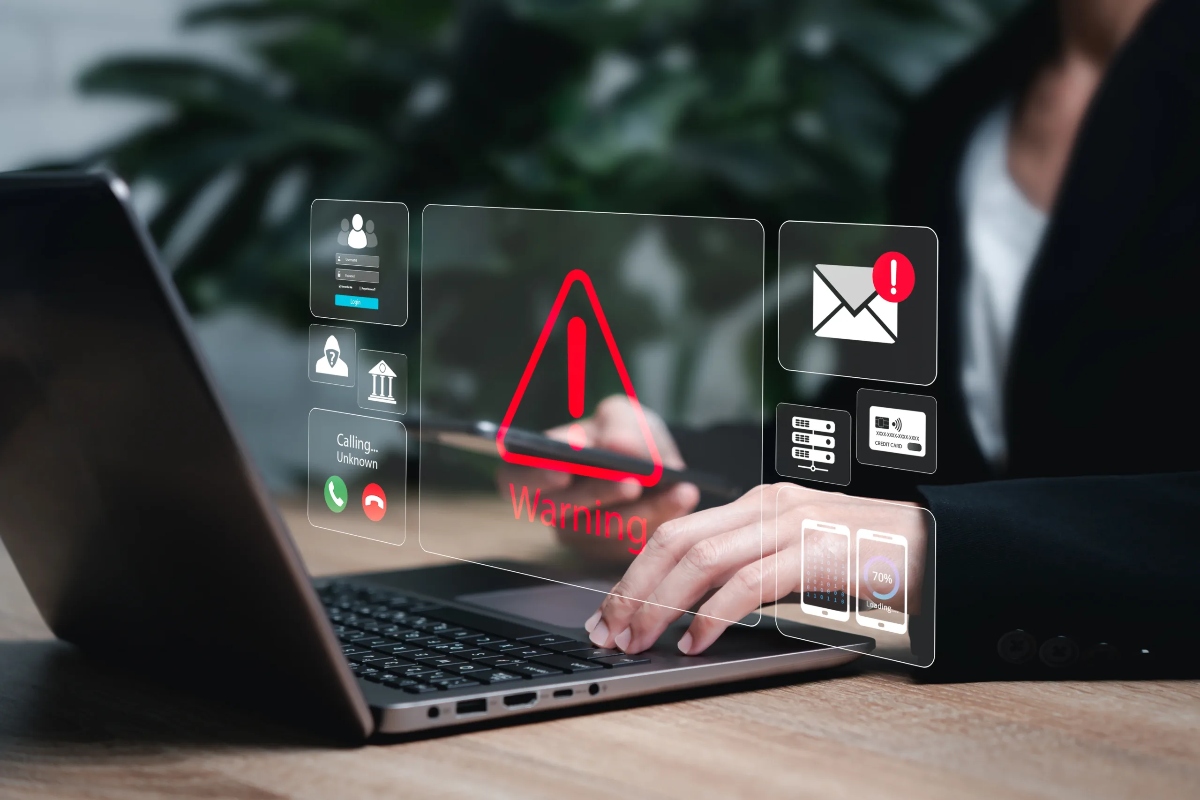
The arrival of the holidays is the perfect scenario for an increase in scams.
During the end of the year, the volume of online shopping increases and overly attractive offers appear on suspicious sites, fake e-mails promising prizes and fraudulent product sellers.
Scams can include non-existent package advertisements, fake gift cards and purchases outside of secure platforms.
At this time of year, more Hispanics fall into digital traps, affecting their family’s money.
Faced with these risks, the banks’ advice is to make purchases only on official websites and never open links in messages or e-mails that cannot be verified.
Scams also involve off-platform payments or requests for personal data with promises of shipping or access to limited offers.
Using credit cards is preferable because they allow claims in cases of fraud and protect the buyer.
The financial security of Hispanics depends on information and prevention.
The most important thing is to watch out for signs of scams, consult official sources and educate family and friends about safe online and digital shopping practices.
Although fraudsters refine their strategies, the community can prevent these threats from turning into material and emotional losses.
That’s why it’s essential not to let your guard down and share these tips during Hispanic Heritage Month and all year long.
This article was originally published in Nueva News.
Filed under: Common scams affecting Hispanics