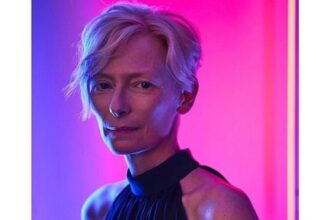




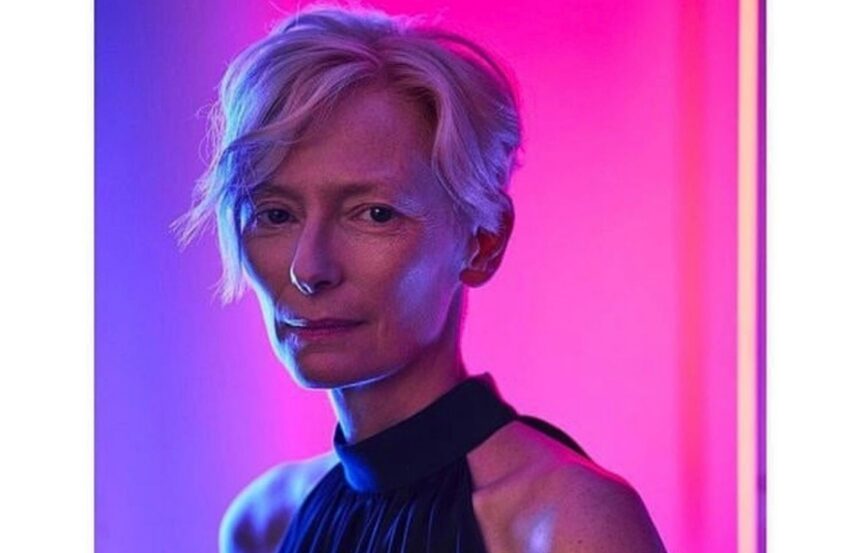
Tilda Swinton today defended the intelligence of human beings over AI, assured that cinema will never disappear and highlighted the instinct of Jim Jarmusch or the poetry of Pedro Almodóvar’s scripts.
These were some of the opinions of the British actress during a meeting with the public at the Cannes Film Festival on Thursday.
Swinton reviewed some of the films that have marked her career and also talked about future projects, such as the two films she is preparing with the Thai Apichatpong Weerasethakul, as well as recalling her first experience in film, with ‘Caravaggio’ (1986), by Derek Jarman.
“I never wanted to be an actress, I don’t describe myself as an actress, but as someone trying to be an actress,” said Swinton, who as a young woman wanted to be a writer and went to college with that goal in mind, but then she took part in ‘Caravaggio’ and everything changed.
The film was presented at the Berlinale. “I was hallucinating, my head exploded and I said to myself: this is my life, the world of international culture.” “I wouldn’t make films if festivals didn’t exist,” she assured.
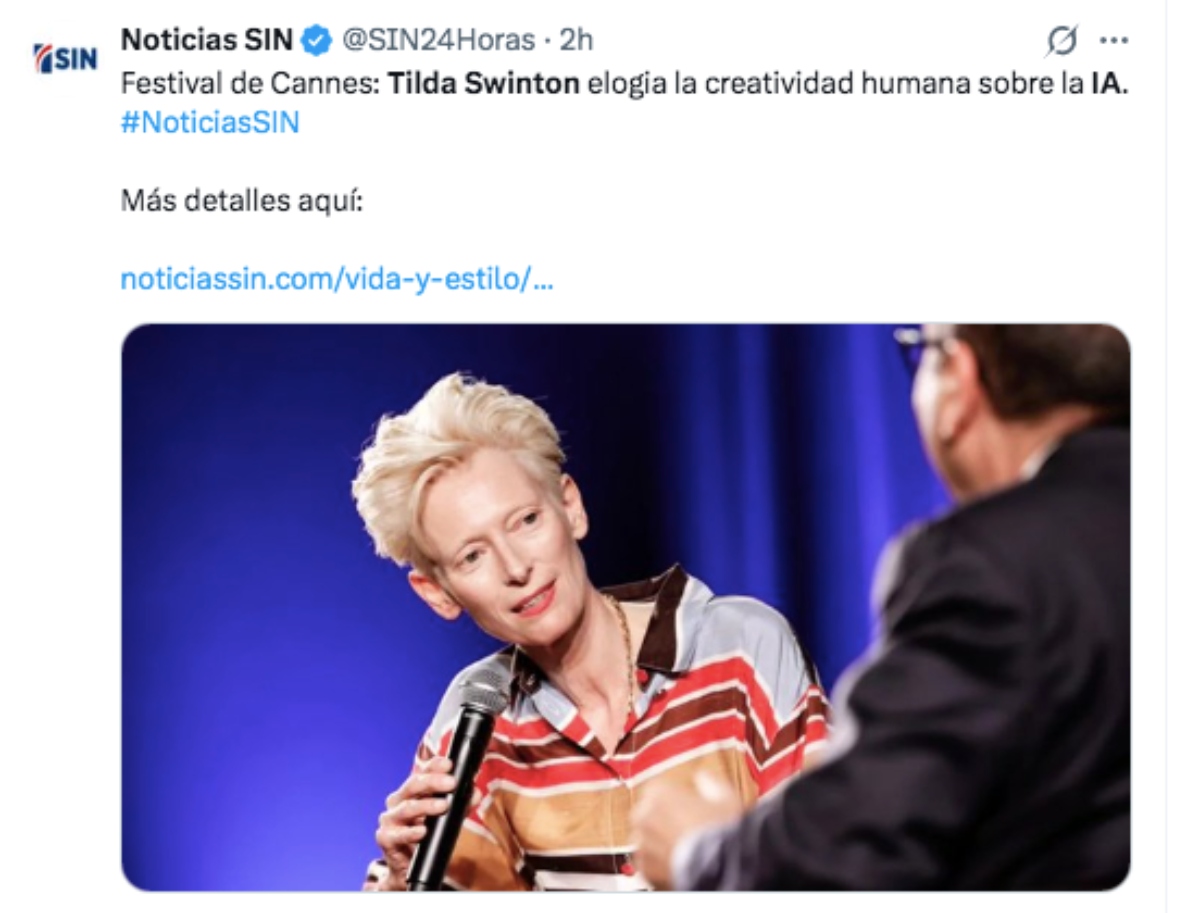
He even likes the “party” part of red carpets, although he believes that the real glamour is on movie screens.
An art that, she said with conviction, “will never disappear. And she recalled the number of films we all saw and books we read during the pandemic.
“Cinema is so elastic and robust that it remains, it resists all kinds of evolutions because it has been created by human beings, who evolve endlessly,” said the actress, who considered that one should not look at figures or comings and goings. “Like an amoeba, cinema keeps finding new forms. I’ve never been worried,” she added.
He also talked about some of the directors he has worked with, such as Jim Jarmusch, with whom he has made ‘Only Lovers Left Alive’ (‘Only Lovers Survive’, 2013) or ‘Broken Flowers’ (‘Broken Flowers’, 2005).
He recalled a time when he was on set, with sixty people, it was 2 a.m. “and Jim said, ‘I’ve got to rewrite this…'” “He’s an instinctive performer.”
Or Almodóvar, with whom he has shot the short film ‘The Human Voice’ (2020) and the Spanish filmmaker’s first feature film in English, ‘The Room Next Door’ (‘La habitación de al lado’, 2024).
“I’ve always said that Pedro writes in high heels,” said the actress, provoking laughter from the audience. “He writes poetry, he writes fairy tales, he’s not someone who talks about nature, about real life, he works at a very high level and that’s what has excited me in my work with him.”
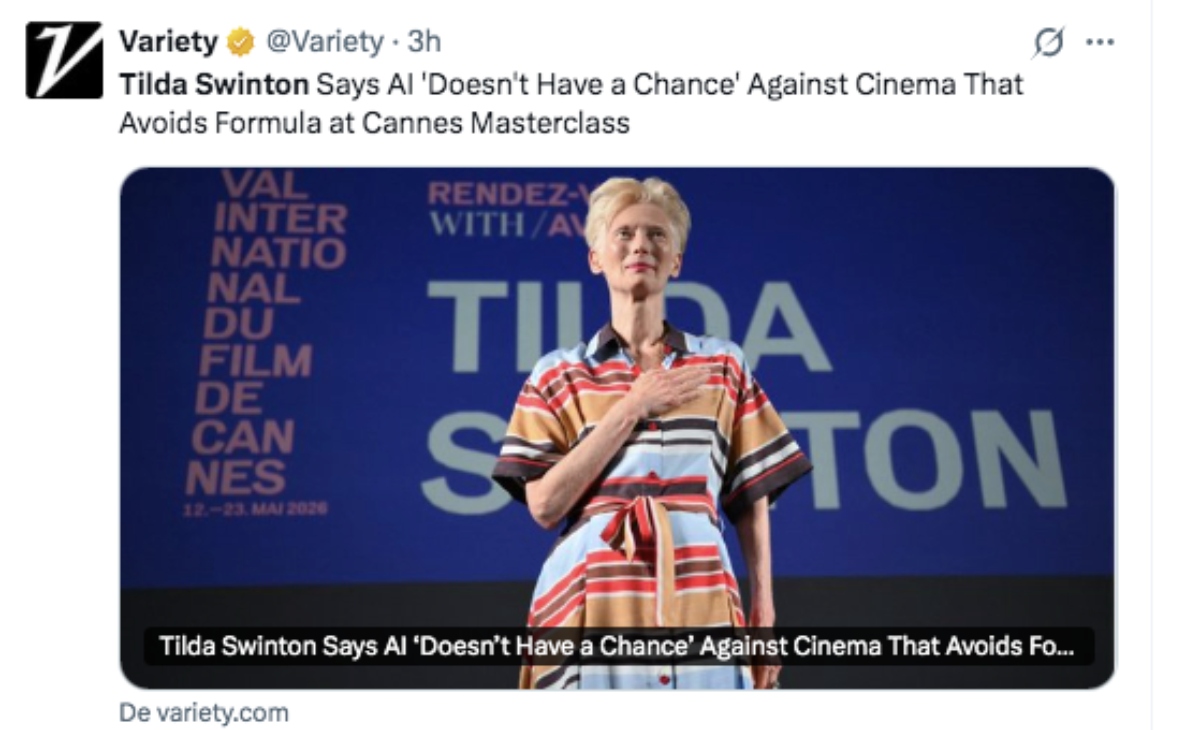
The first film he saw of the Spaniard was ‘Women on the Verge of a Nervous Breakdown’ (1988) and then devoured all the rest of his work. “He is a true master, he has created a world that would not exist without him (…) in a hundred years his work will be intact,” he added.
Each of his creations “comes from the gut” and when he shoots “he knows exactly what he wants”. “I know few filmmakers who have already seen the film in his head before shooting it, he does.”
Another topic that came up in the talk was technology and artificial intelligence (AI) as a threat to filmmaking.
But for her, we simply “have to prove that we can be better than AI, and that’s not hard. We just have to set our minds to it.
He closed his meeting with the audience by recommending to those who want to dedicate themselves to filmmaking that they should be like children because “curiosity is more important than talent,” reported Agencia EFE.
Find out more at ‘QueOnnda.com’.