






Avocado is one of the most representative foods of the Latin diet and, at the same time, one of the most valued by modern nutrition.
Present in Mexican, Central American, Caribbean and South American cuisine, this fruit not only brings flavor and versatility, but also important health benefits, especially for Hispanic families looking to eat better without giving up their traditions.
Why is avocado so healthy?
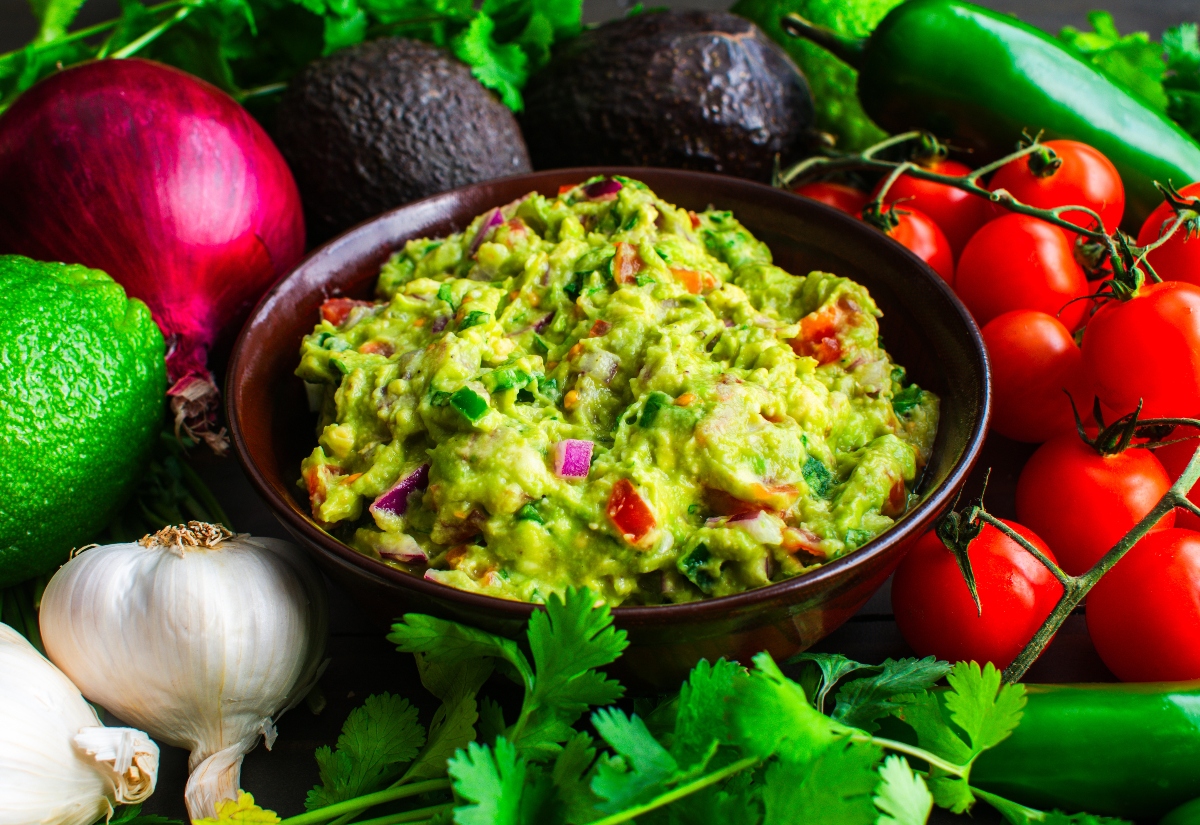
Avocados are a natural source of healthy fats, mainly monounsaturated fatty acids, which help maintain adequate cholesterol levels and promote cardiovascular health.
Unlike other fats, they contribute to reduce “bad” cholesterol (LDL) without affecting “good” cholesterol (HDL).
It is also rich in fiber, which aids digestion, helps control appetite and contributes to blood sugar control, a key point for people with pre-diabetes or type 2 diabetes, common conditions in the U.S. Latino community.
Its nutrients include:
Potassium, even more than bananas, essential for blood pressure.
Vitamins E, C and B group, important for the skin, nervous system and energy.
Antioxidants, which help fight inflammation and cellular aging.
Key benefits for the Latino community

Incorporating avocado on a regular basis can support the prevention of cardiovascular disease, one of the main health problems among Hispanics in the United States.
It is also an ally for weight control, as it provides satiety and reduces the need to consume ultra-processed foods.
For pregnant women or women of childbearing age, avocados provide folic acid, essential for the development of the baby’s nervous system.
In children and adolescents, it contributes to a balanced diet when used as a substitute for less healthy fats.
How to include avocado in daily life

Beyond the classic guacamole, avocado can be easily integrated into multiple meals:
Breakfasts: on whole wheat bread, in scrambled eggs or as a smoothie with fruit.
Meals: in salads, tacos, rice bowls or as an accompaniment to meat and fish.
Light dinners: stuffed with tuna, chicken or beans.
Healthy snacks: slices with lemon and salt or with a touch of chili powder.
It can also be used as a substitute for butter or mayonnaise in recipes, reducing saturated fats without losing creaminess.
Avocado is not a fad: it is part of the Latin culinary identity.
Consciously integrating it into the daily diet keeps traditions alive while taking care of health, which is especially valuable for Hispanic families living in the U.S. who seek a balance between flavor, culture and wellness.
Consumed in moderation and within a balanced diet, avocados continue to be one of the best natural allies on the Latin table.