




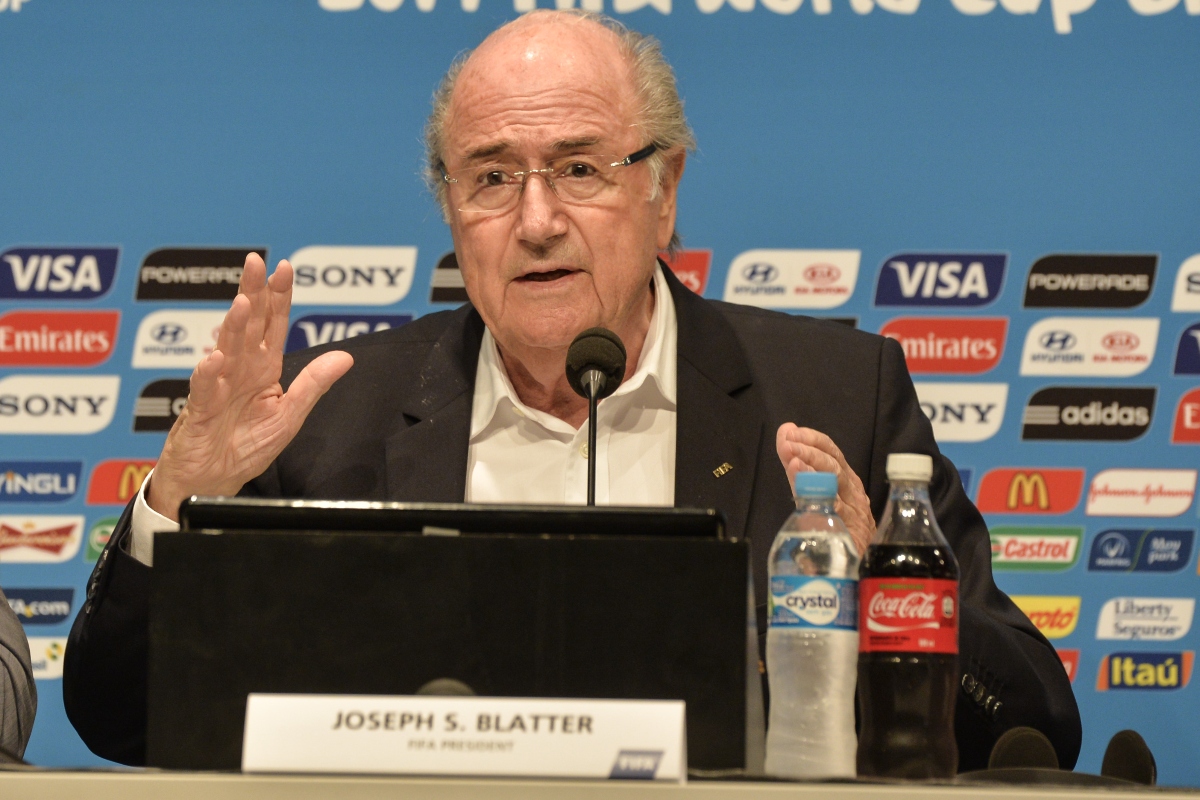
The 2026 World Cup, which will be jointly organized by the United States, Mexico and Canada, is facing a new international controversy. Former FIFA president, Joseph Blatter, publicly joined the call for fans to boycott matches to be played on U.S. soil, in protest against the policies and conduct of President Donald Trump and his administration.
Blatter expressed his position on Monday, January 26, through a publication on the social network X, in which he endorsed statements by Swiss lawyer Mark Pieth, an anti-corruption expert and former head of the Independent Governance Committee that oversaw reforms at FIFA a decade ago. Pieth had questioned, days earlier, the suitability of the United States to host the tournament.
Call for no travel to the U.S. for the World Cup
In an interview with the Swiss newspaper Der Bund, Pieth was blunt in addressing international fans:
He recommended not to travel to the United States and to follow the 2026 World Cup on television.
Warning that visitors could face immigration problems or even deportation if they do not meet the criteria of the U.S. authorities.
Blatter, who presided over FIFA from 1998 to 2015 and resigned amid corruption investigations, directly quoted Pieth.
He added that he shares the doubts about holding the World Cup in the United States, the country that will host most of the matches between June 11 and July 19, 2026.
Concerns are not limited to one voice.
Oke Göttlich, vice president of the German soccer federation, recently declared that it is time to seriously consider a boycott.
He noted similar concerns about the political and social climate in the United States.
The 2026 World Cup faces a new international controversy
QuéOnnda.com
Migration policies call into question access
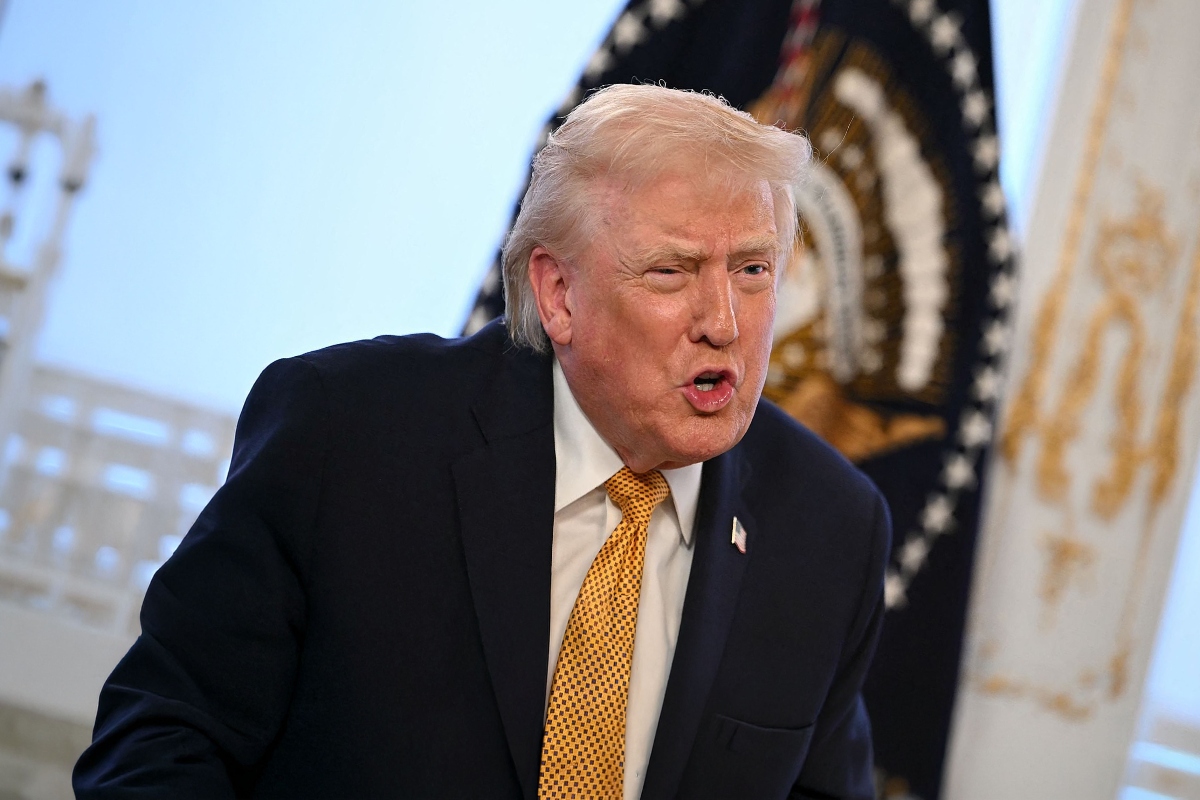
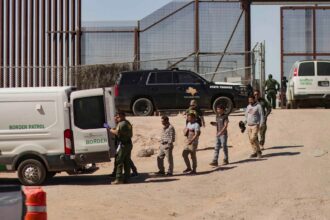
One of the main sources of alarm is the immigration policies and travel bans implemented by the Trump administration.
Last December, fans from Senegal and Côte d’Ivoire saw their plans to attend the 2026 World Cup compromised after visas were suspended.
Measure justified by the U.S. government due to alleged deficiencies in immigration controls.
Likewise, fans from Iran and Haiti, countries that have already qualified for the 2026 World Cup, will also face restrictions to enter the United States.
This is because they were included in previous versions of the travel ban.
For Hispanic fans living in the U.S., this debate is not just about soccer.
It raises questions about mobility, security and rights, in an event that promises to be the largest in the history of the World Cup.
Meanwhile, the 2026 World Cup moves forward shrouded in controversy that goes far beyond the field of play.
For more information, visit QuéOnnda.com.