





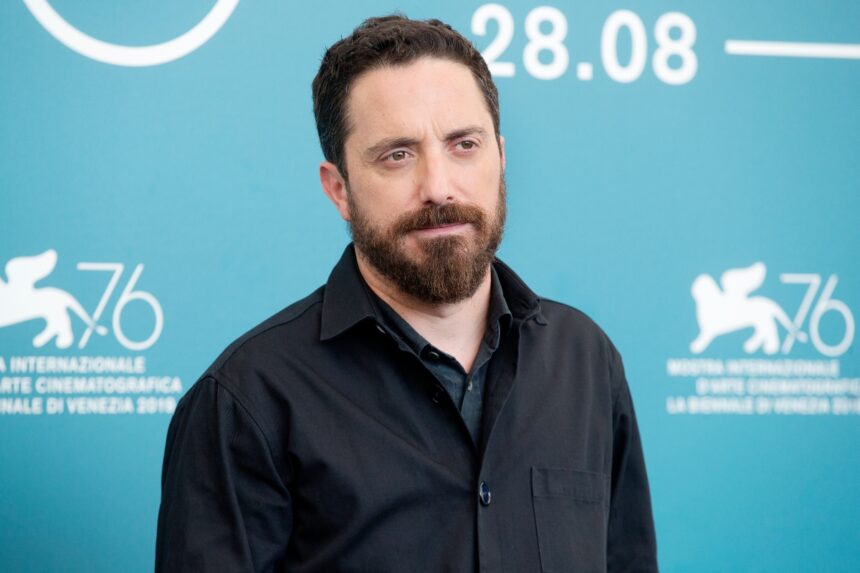
Latin American cinema has its own identity because it tells stories that can happen in the streets of any of the cities of the countries of the region but that move anyone in the world, said Chilean director Pablo Larraín on Sunday.
“That dialogue, both in Chile and in other Spanish-speaking countries, is always changing, in communication, but it is to try to account for a stage, a society, a place, a mental landscape,” he said at a conference in the city of Guadalajara.
Larraín is one of the special guests at the Guadalajara International Film Festival, which is taking place in this city until next Saturday and this year Chile is the guest of honor.
As part of his activities at the festival, the filmmaker gave the keynote lecture ‘The Internationalization of Chilean Cinema, The Story of Fábula’, together with his brother, producer Juan de Dios Larraín, with whom he founded Fábula, one of the most important production companies in Latin American filmmaking, in 2004.
The director of ‘No’, the first Chilean film to be nominated for an Oscar, said that part of the success of his production company, which has produced nearly 50 films, lies in the fact that they have respected the voice of the directors who approach them with projects, whatever their approach.
“We have always thought that the key is to support that director or that director, we are not a production company that has operated at any time with an editorial point of view. We have never tried to determine what they do (…) in the end they are voices that are not interchangeable,” he assured.
He mentions the work they did with Chilean documentary filmmaker Maité Alberdi, who has been nominated for two Oscars, who has “that look, indiscipline and impertinence that cannot be replaced,” said Larraín.
The Chilean artist, author of the biographical trilogy of women in history, ‘Jackie’, about the life of Jackie Onassis; ‘Spencer’, about Diana Spencer, the late Princess of Wales, and ‘Maria’, about opera singer Maria Callas, said that developing as a producer has helped him to improve his role as a director and to understand that cinema is made the same everywhere, regardless of budgets.
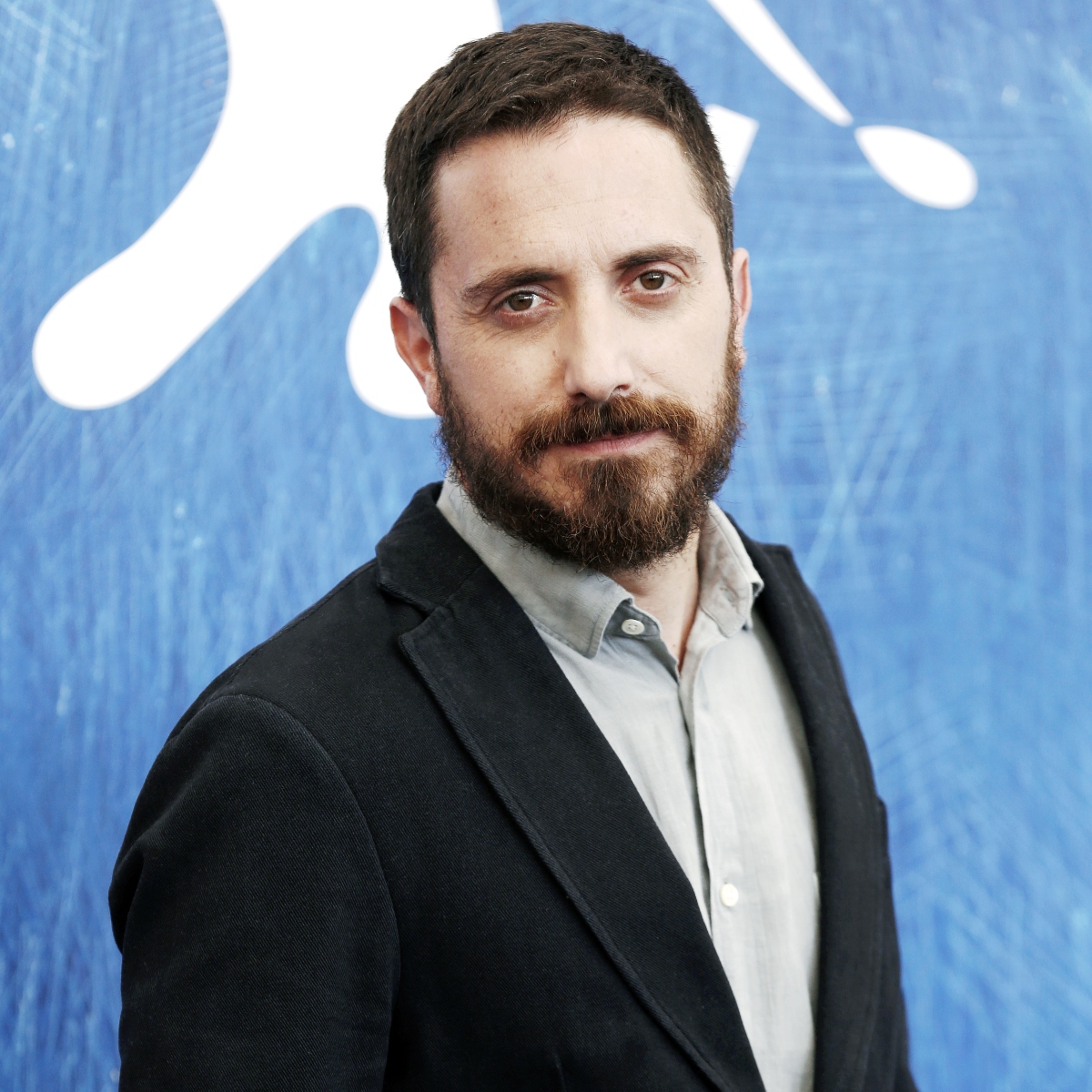
“Directors are islands and, for me, as a producer, it has been my turn to be part of the process of directors that I admire a lot and that (their work) has made me curious and envious too, after seeing people that I admire and who do things that I would never be able to do,” he said.
The Larraín brothers agreed on the conviction that the projects they produce should not fall into the banal, regardless of whether they are political films, comedies or dramas.
“We want to give an account of what is happening in this community from our point of view. If we don’t feel what we want to look at in a country and we don’t feel responsible that we are leaving a better or worse footprint, I would feel that we are at risk of getting into a continuous banality that seems reckless to me,” Pablo assured.
Juan Pablo Larraín recalled that Fábula, which has offices in five Latin American countries, has grown hand in hand with the Chilean film industry, which has historically had to seek co-productions in order to generate its projects.
“Unlike Mexico, which could be said to be self-sufficient, Chile was never self-sufficient, we always had to go out to be able to make our films,” he said.
As part of the tribute to Pablo Larraín, who received the Ibero-American Tribute Award during the opening gala, FICG will screen some of his films as director and producer.
Some 200 films will be screened at 30 venues and 70 are in the official selection to compete for a purse of 2.75 million pesos (some US$162,000) in prizes, reported Agencia EFE.
Find out more at ‘QueOnnda.com’.