





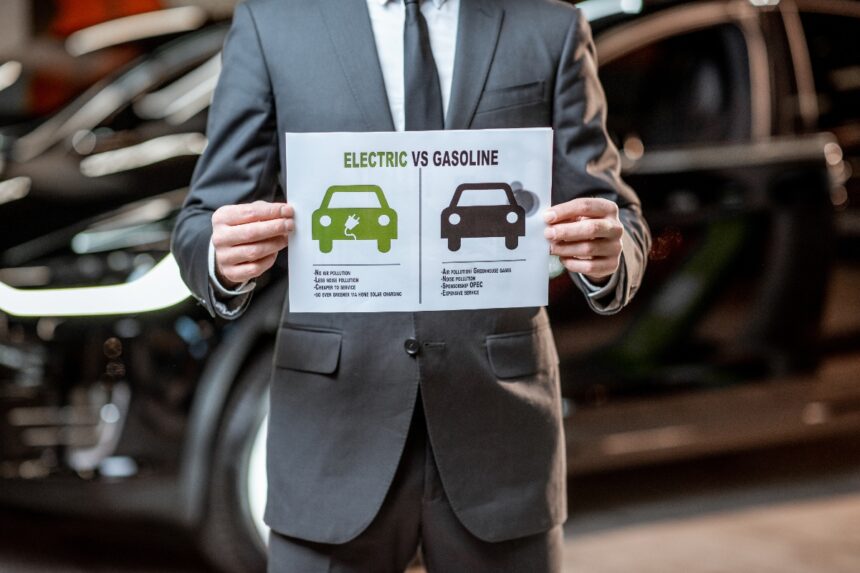
If you’re thinking about buying a new car, you’re probably facing a key question: hybrid or gasoline? Both options have advantages and disadvantages that can impact your economy and lifestyle.
QueOnnda.com presents an analysis to help you make an informed decision.
Advantages of hybrids

Fuel savings: Hybrid cars combine a gasoline engine with an electric motor, which can significantly reduce your fuel costs.
According to the Environmental Protection Agency (EPA), some hybrid models get up to 50 miles per gallon.
Ambas opciones tienen ventajas y desventajas que pueden influir en tu economía
QueOnnda.com
Reduced environmental impact: By using less gasoline, hybrids generate fewer carbon emissions, helping the environment.
3. Tax incentives: Some states offer discounts or tax exemptions for purchasing a hybrid vehicle.
Disadvantages of hybrids

Higher initial price: Hybrids are usually more expensive than gasoline-powered cars due to their advanced technology.
2. Repair costs: Batteries and electrical systems can be expensive to repair or replace.
3. Limited availability: Some models may not be available in all regions.
Gasoline-powered cars: advantages

1. Affordable initial price: Gasoline-powered cars are usually less expensive at the time of purchase.
2. Easy maintenance: Its components are more common and less costly to repair.
3. Wide availability: There is a greater variety of models and styles to choose from.
Gasoline-powered cars: disadvantages

Increased fuel consumption: This translates into higher expenses in the long run, especially with the increase in gasoline prices.
2. Environmental impact: They generate more carbon emissions, contributing to climate change.
3. Dependence on fossil fuels: This makes them less sustainable in the long term.
Which one should you choose?

The answer depends on your needs and priorities. If you’re looking to save on gas and reduce your carbon footprint, a hybrid might be the best choice.
However, if your budget is tight and you prefer a reliable and affordable option, a gasoline-powered car may be ideal.
Whatever your choice, be sure to research and compare models. Remember that a car is a long-term investment that affects both your economy and the environment.
When buying a car, the question arises: hybrid or gasoline? Hybrid cars offer fuel savings (up to 50 mpg according to the EPA), lower carbon emissions and possible state tax incentives.
However, their initial price is higher, battery maintenance is costly and availability is limited.
Gasoline-powered cars are cheaper to buy, easier to maintain and have a wide variety. But they consume more fuel, emit more carbon and rely on fossil fuels.
The choice depends on your budget, environmental priorities and daily use. Do your research, compare models and evaluate the total long-term cost to make the best decision.