






Drug traffickers repatriated: The U. S. Department of Justice confirmed this April 14, 2025 the repatriation of 13 Mexican nationals sentenced for serious drug trafficking crimes, such as distribution of cocaine, methamphetamine and fentanyl. The prisoners were handed over at the border bridge between El Paso, Texas, and Ciudad Juarez, Chihuahua, in an operation coordinated with the Mexican government.
This group of inmates was transferred under the International Prisoner Transfer Treaty, signed between the two countries in 1977, which allows inmates to serve the remainder of their sentences in their home countries, subject to mutual consent.
Why were they repatriated?

The repatriated drug traffickers, whose identities were not disclosed for security reasons, were sent directly to the Federal Center for Social Readaptation No. 4 in Tepic, Nayarit, one of Mexico’s maximum security prisons.
The Department of Justice reported that the convicts must still serve a combined 75 years of sentences.
This represents a savings of more than $3 million in prison costs for the U.S. government.
The prisoners were handed over at the border bridge
QueOnnda.com
This action takes place in a context of strengthened bilateral cooperation, particularly in view of the increase in fentanyl trafficking to the United States.
It is a crisis that has caused tens of thousands of overdose deaths in recent years.
The delivery also reinforces the message of co-responsibility in the fight against drug trafficking.
And the case of “Mayo” Zambada?
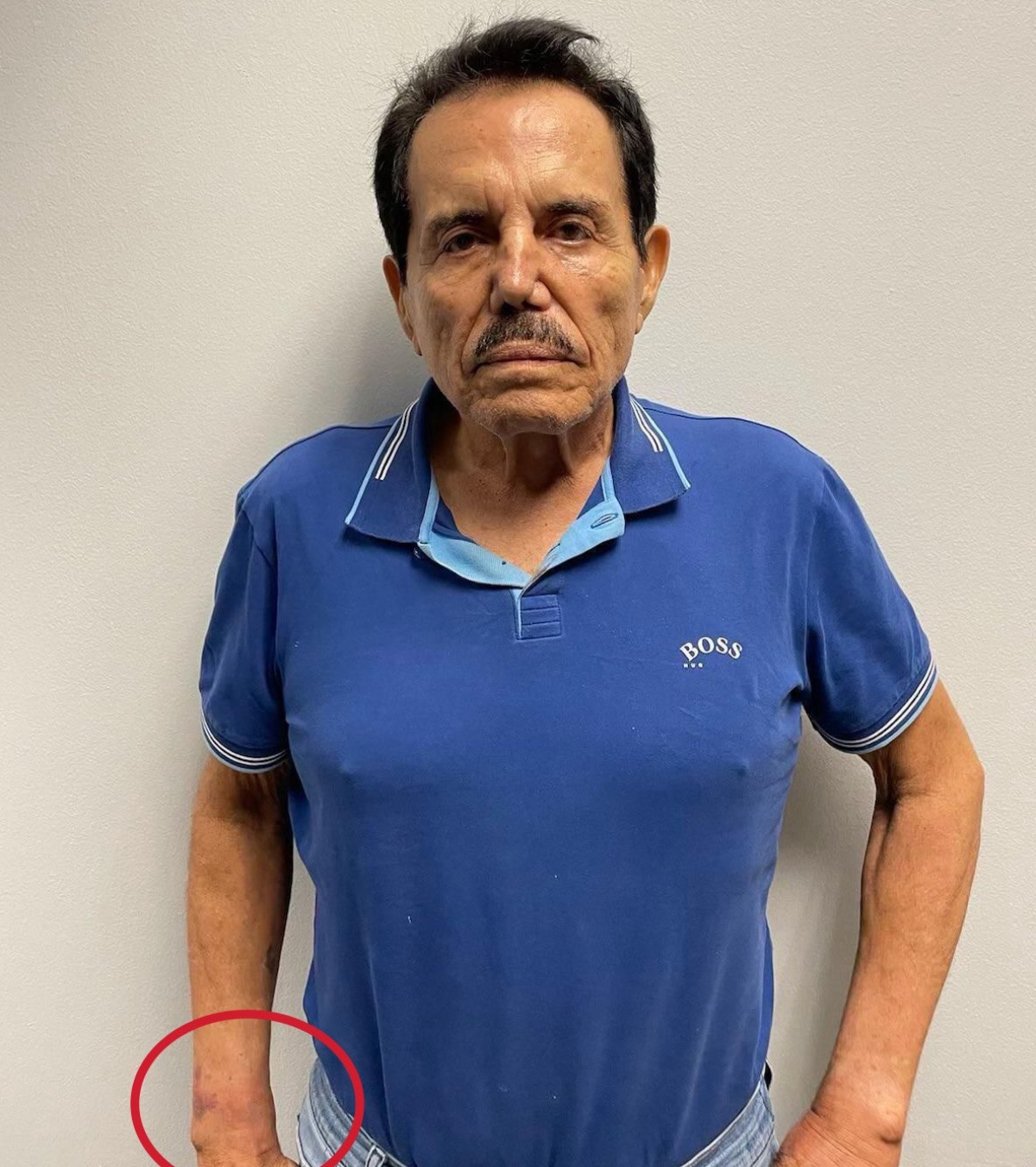
The Mexican government has requested the extradition of Ismael “Mayo” Zambada, co-founder of the Sinaloa Cartel.
He was arrested in 2024 in U.S. territory.
He is currently on trial in a federal court in New York.
Zambada reported that he was kidnapped by alleged operators linked to Ovidio Guzmán, son of Joaquín “El Chapo” Guzmán.
He was flown on a private plane to the United States.
However, his situation is outside of the current repatriated narcotics agreement.
He faces federal charges of conspiracy and drug trafficking.
For more information, visit QueOnnda.com.