





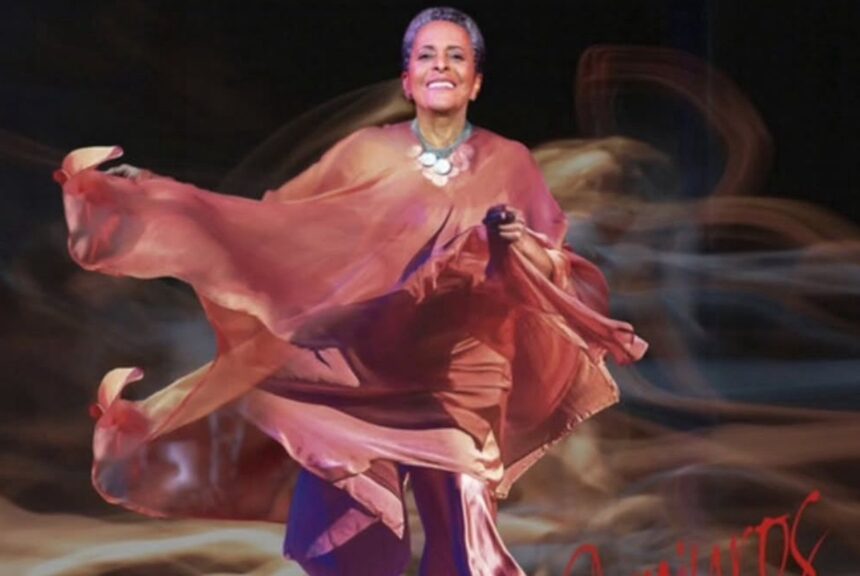
The tender voice of Peruvian singer Susana Baca has sung for decades all the nooks and crannies of Afro-Peruvian music and the poetry of the greatest authors and in her bare feet accumulate millions of miles of ancestral rhythms, but her gaze is fixed on the present, she dares to sing with rappers and gives voice to the claims of young people about the crisis in Peru.
“The other day I went to the march (of Generation Z) because I think it is necessary that we support the generation of young people, that we are there by their side, that they are not criminalized, that they are not prohibited from protesting, which is a right, a right to complain to the authorities,” he tells EFE from his home in the Lima district of Chorrillos.
The image of the most recognized artist, at 81 years old, attending one of the anti-government marches called by Generation Z went viral on social networks and was another example of the artist’s commitment to social causes.
“I feel that this generation that is asking to live in a country without crime, with responsible politicians, is asking us older people to join them,” he says, adding that Peru is experiencing “an extreme situation” in terms of rising crime and that the authorities should step back.
Hours after his presence at the march, the police killed one of the young protesters, rapper Trvko.
“It’s that the rap guys are speaking out about what is happening in the country. They are not turning their backs on Peru. It has been a great pain that Trvko’s life has been taken away. He has lost his life, we have lost his singing, his creation,” she says emotionally.
He explains that the genre of political music that was spearheaded decades ago by Mercedes Sosa and other artists and spread across the continent ended up being stigmatized, especially in Peru.
“I feel like rappers are the new political song,” she says of this genre she feels close to.
Susana Baca and collaborations to raise her voice
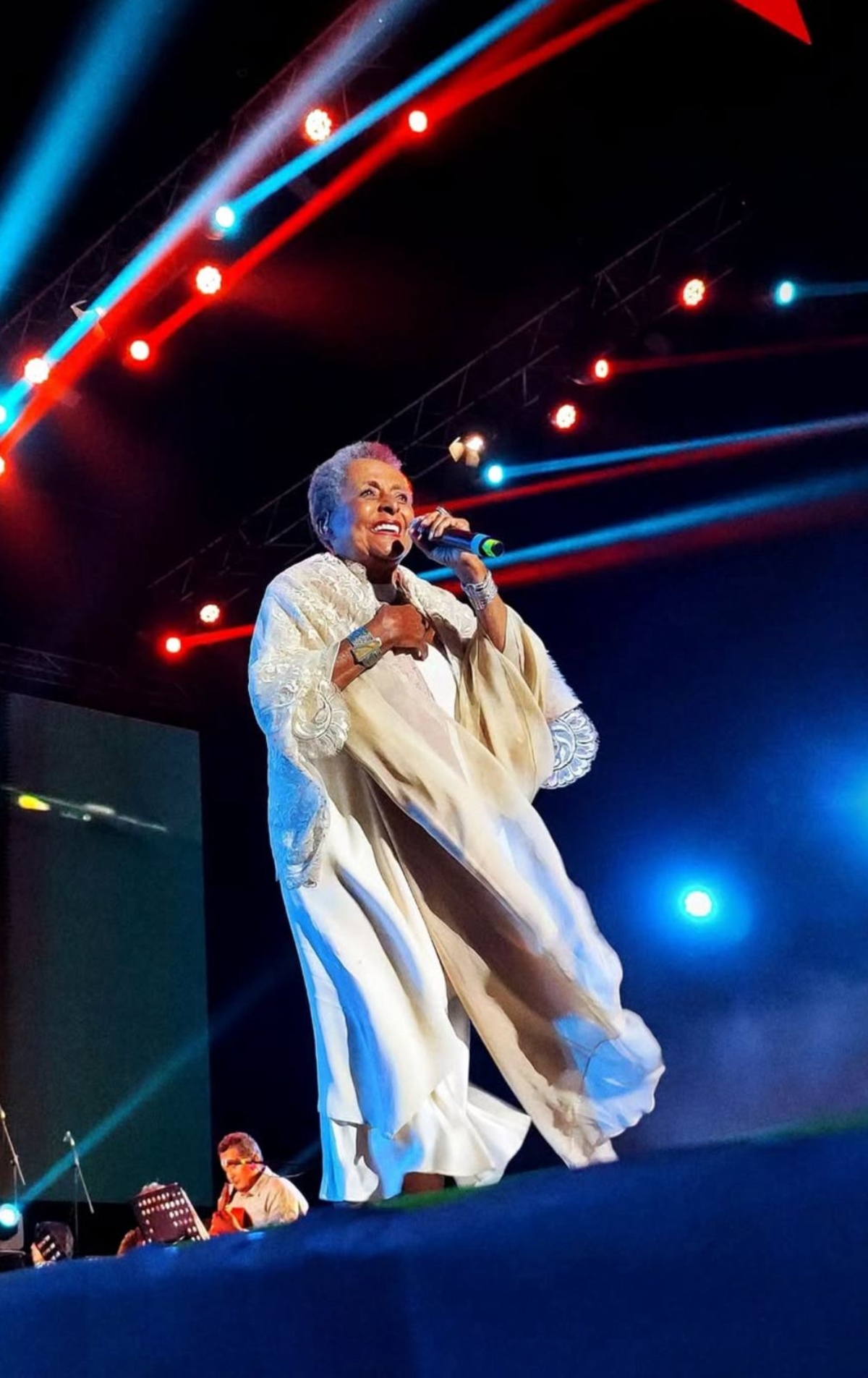
She says that the Peruvian rapper Ginola asked her to collaborate on a song called ‘Molesto’, and she agreed because the Peruvian is also “upset”, and he liked this song so much that she invited him to her last concert at the Gran Teatro Nacional in Lima to perform together this song of political protest.
“His hair stood on end,” he says, laughing about the reaction of some of the audience.
This openness to youth and her figure as an artist has generated a strong admiration from young audiences for Baca, which is reflected in videos on social networks dedicated to the Lima native and the affection she receives at her concerts, “they call me mami, maestra, abuelita de los raperos” (mommy, teacher, grandmother of the rappers), she says with a smile.
Baca will travel this week to Las Vegas to collect the Latin Grammy Award for Musical Excellence, his fourth golden statuette, and says that he will then travel to Brazil and then to Ecuador, among several concerts in Lima.
Despite transmitting all the enthusiasm possible for all his appointments, he admits he is looking forward to locking himself in his home-studio in Cañete, a province on the coast of Lima, to record his next album, which will bring together poems he has recited since his beginnings.
In January 2026 he will record with his musicians the verses of Nicolás Guillén, Pablo Neruda, Federico García Lorca, Blanca Varela, Juan Goytisolo and one of his favorites, the magical ‘Nana de la cebolla’, by Miguel Hernández.
Precisely, Baca will premiere this repertoire on Wednesday, November 5 in a free concert at the Teatro de la Municipalidad de Surco organized by the Embassy of Spain called ‘El viaje de la lengua’ (The journey of the language).
One of the verses he will also recite will be ‘Poetry is a weapon loaded with future’, by the poet Gabriel Celaya, which refers to “the frustration of the people”.
“Because we live by blows, because they barely let us say who we are (…) we are hitting rock bottom, we are hitting rock bottom,” he intones with the noise of Lima traffic in the background. “It’s very accurate for this moment,” he assures, reported Agencia EFE.
Find out more at ‘QueOnnda.com’.