





Have you ever felt the TV suddenly “turn off”? That episode has a medical name: Syncope. HERE you can listen to the podcast.
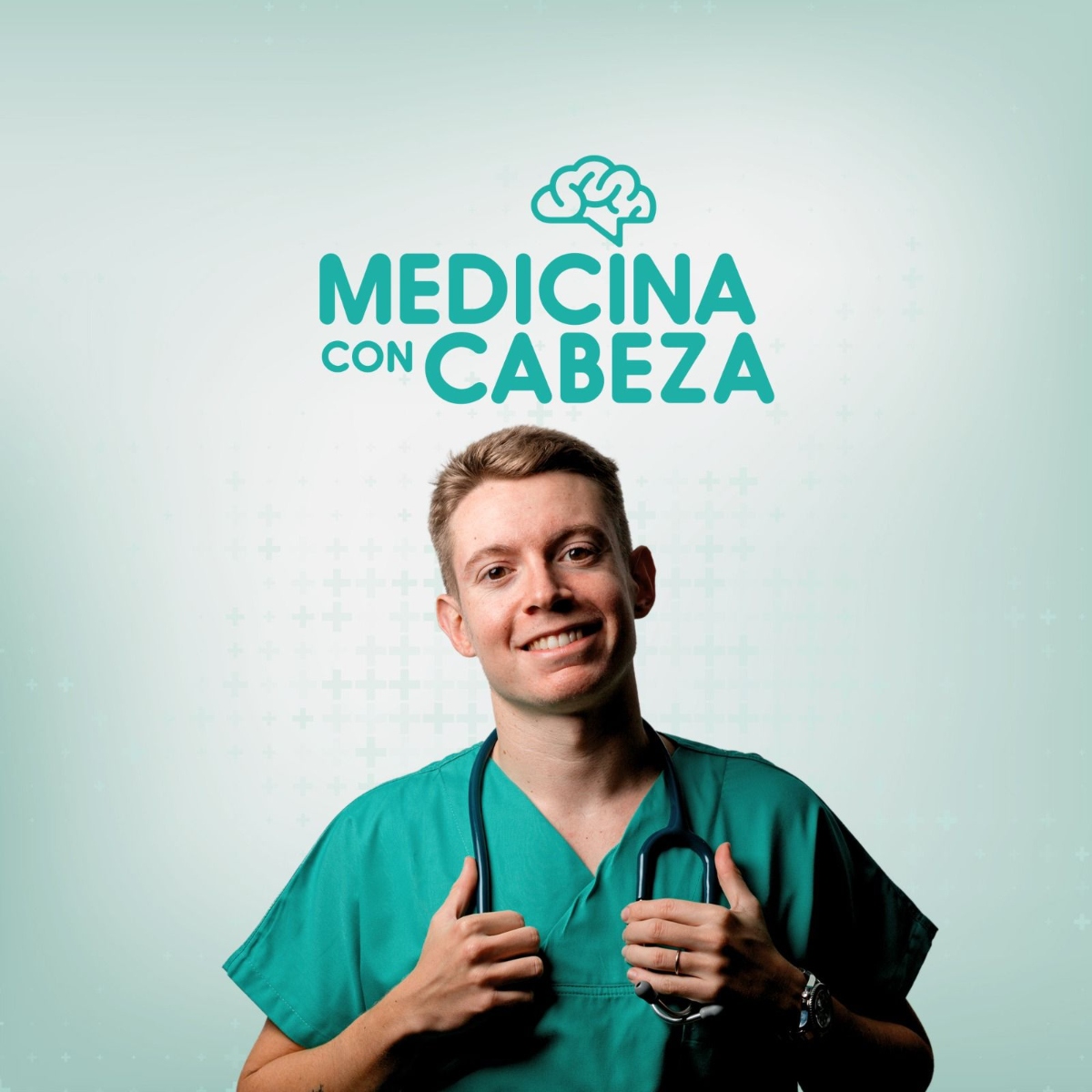
In this issue of Medicina con Cabeza, renowned cardiologist Dr. Carlos Yebra – who has an impeccable track record in the diagnosis of complex pathologies and is a trusted voice in medical communication – explains that, although most fainting spells are harmless, others are a warning of something much more serious, such as sudden death.
Click on the photo to listen to the podcast
It is not a stroke or an epileptic seizure.
Syncope is a sudden and complete loss of consciousness, but with spontaneous recovery.
The culprit is cerebral hypoperfusion, meaning that for a few seconds not enough blood reached the brain.
Syncope types and causes
To help you identify what happened to you (or what happened to your aunt who gets dizzy at parties), Dr. Yebra divides them into three categories:
1. Reflex Syncope (The most common and “good” one):
It is the famous fainting from seeing blood, from a pinprick or even from coughing very loudly.
Who suffers: Mostly young people.
The signal: Give warning. You feel nauseous, dizzy or see “little stars” before you fall. This gives you time to sit up and protect yourself.
2. Orthostatic Syncope (the syncope of getting up quickly):
Have you ever gotten out of bed and felt like everything was spinning? Gravity causes the blood to stay in your legs and the pressure suddenly drops.
Who gets it: Common in older adults or people who are dehydrated and take blood pressure pills.
3. Cardiogenic Syncope (RED ALERT!):
This is the one that keeps cardiologists awake at night. It occurs due to arrhythmias or heart valve problems.
Danger signals: It happens out of nowhere, without warning. You get the dry heave against the floor. High risk if it happens while you are sitting or exercising.
What to do if this happens to you?
Dr. Carlos Yebra is emphatic: Every patient who suffers syncope should have an electrocardiogram (ECG).
It is the gold standard for detecting blockages or dangerous arrhythmias.
In addition, the medical history is vital; if you saw someone faint, take a good look at how it happened, because that information is “gold dust” for the doctor.
The advice: Do not self-medicate, nor let it pass as a “sugar crash”. Identifying the patient’s profile is the key to a proper study and to sleep peacefully.
The episode is now available on all audio platforms, such as Apple Podcast and Spotify, where you can also listen to other titles promoted by QuéOnnda and Nueva Network, such as Renacer en el Duelo.
What about you Onnda, have you ever fainted or had to help someone?
Filed under: Syncope types and causes