




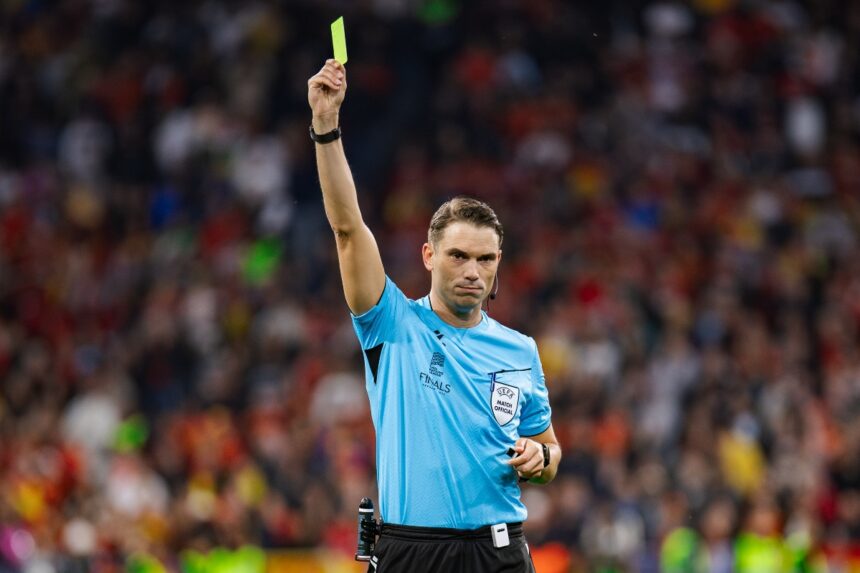
The 2026 World Cup, to be held in Mexico, the United States and Canada, will not only be historic because of its expanded format to 48 teams, but also because of the possible changes in the regulations, one of the most relevant of which is FIFA’s new proposal regarding yellow cards, a measure that could have a direct impact on the development of the tournament.
The initiative proposes to modify the system for accumulating yellow cards in order to prevent important players from missing decisive matches. Specifically, FIFA proposes that yellow cards accumulated during the group stage of the 2026 World Cup be eliminated before the start of the knockout phase.
How would the new rule work?
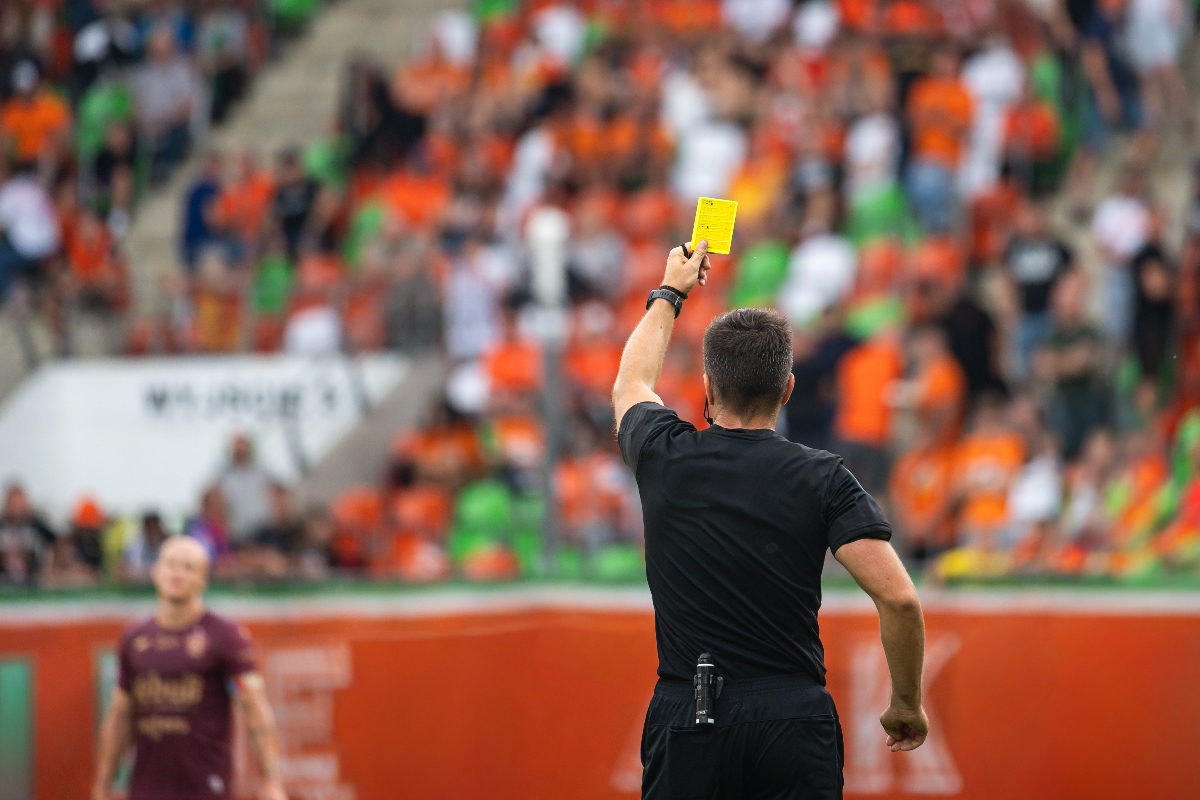
If this adjustment is approved, the players would start the Round of 16 – a round introduced for the first time in the history of the World Cup – without accumulated sanctions from the preliminary phase.
That is, any player who received a yellow card in the three group matches would not carry that penalty into the next round.
This change does not eliminate yellow cards, but modifies the moment at which they are “cleared” in the 2026 World Cup.
Traditionally, in previous editions of the World Cup, a player was suspended after accumulating two cards in different matches, and the amnesty was applied until the Quarterfinals.
With the new format, FIFA contemplates a double amnesty:
The first after the group stage and the second, as usual, before the Semifinals.
A measure that could directly impact the development of the tournament
QuéOnnda.com
Impact on game play and strategy

From a sporting point of view, the proposal benefits both players and coaches.
It reduces the pressure to avoid cards in the early stages and allows for greater competitive freedom without the constant fear of missing a key match.
In previous tournaments, it was not uncommon to see players on the verge of suspension at decisive moments, which affected their performance.
With this new rule, FIFA intends to solve this problem and ensure greater continuity in the tournament’s stars.
A historic World Cup with new rules
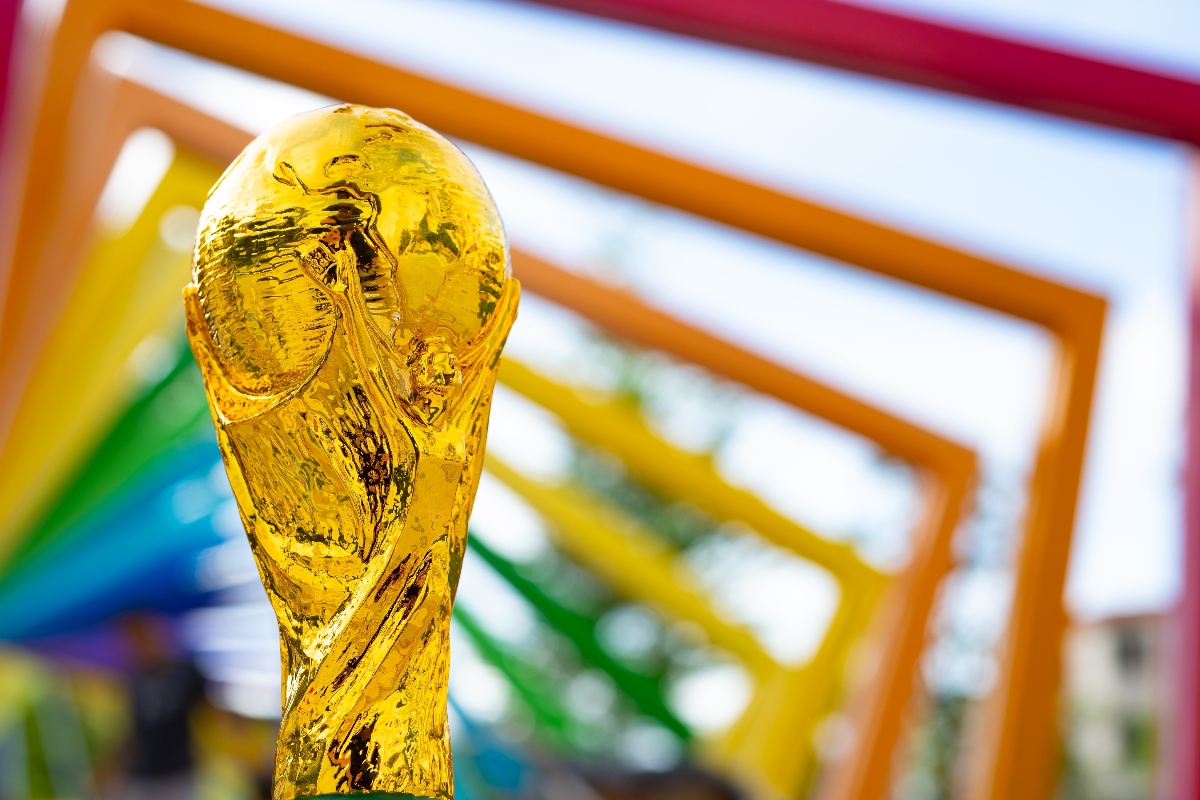
The 2026 World Cup will kick off on June 11 and one of the most anticipated moments will be the opening match at the Azteca Stadium.
With more teams, more matches and possible regulatory changes, this edition promises to be one of the most innovative in the history of soccer.
The final decision on the yellow card rule at this 2026 World Cup will set a precedent in the way penalties are handled at international tournaments.
And it could change the competitive dynamics of the World Cup.
For more information, visit QuéOnnda.com.