





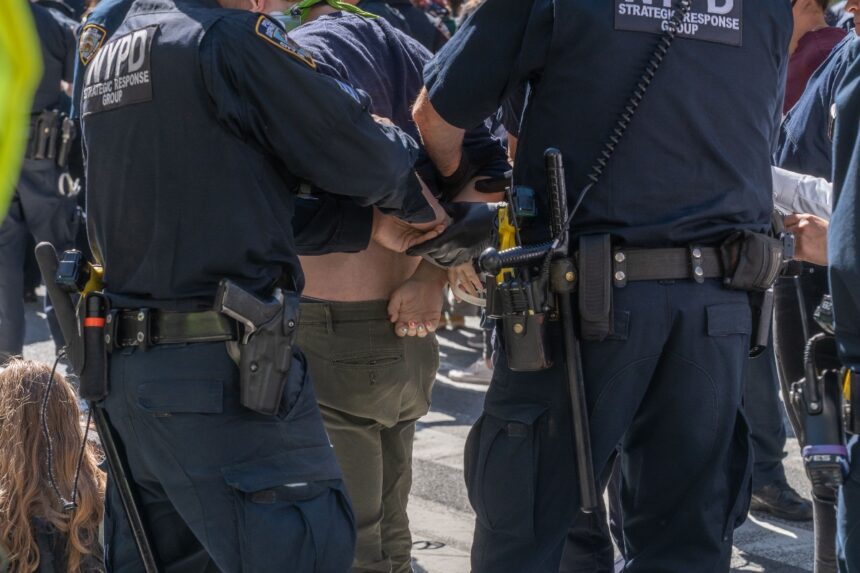
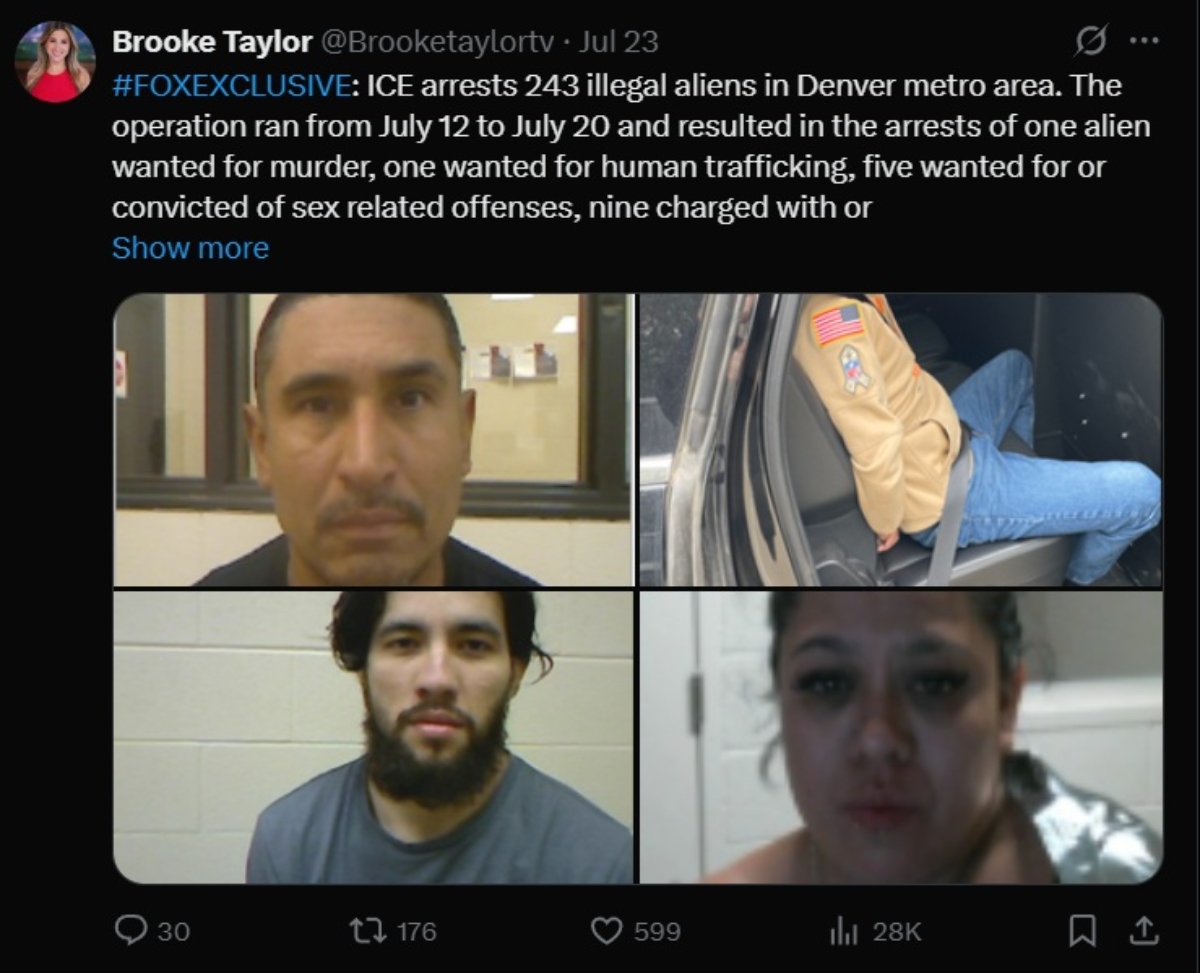
Between July 12 and July 20, 2025, ICE arrested 243 undocumented immigrants with criminal records in the Denver metro area.
This was part of an operation coordinated with local authorities in the state of Colorado, the agency announced Wednesday, July 23.
What happened?
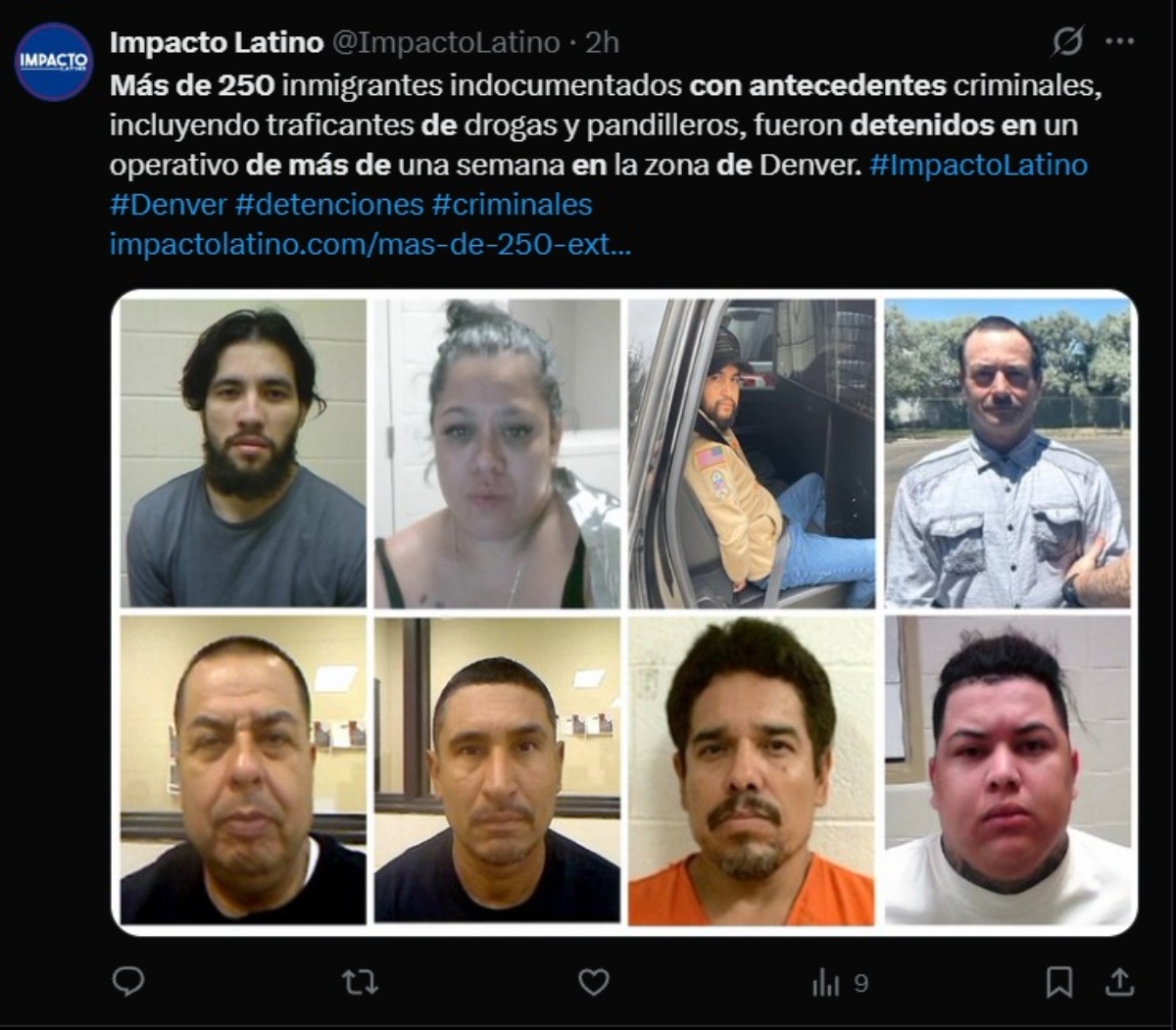
The ICE operation in Denver focused on individuals charged with or convicted of felonies.
Such as murders, human trafficking, sex crimes, robberies, assaults and drug trafficking. Among those arrested:
50 had active deportation orders.
At least nine are linked to gangs or organized crime, including the Venezuelan group Tren de Aragua.
From at least 17 countries, including Mexico, Venezuela, Honduras, Nicaragua and Colombia.
Robert Guadian, director of ICE Operations in Denver, indicated that several of those arrested had previously been released from local jails due to “sanctuary city” laws in Colorado.
Current context and repercussions
Since President Trump’ s inauguration in January 2025, ICE activity has increased dramatically in Denver, Colorado.
Detentions of immigrants without a criminal record have skyrocketed 305% between January 20 and June 26, 2025, compared to the same period in 2024.
In addition, many have reportedly been arrested without criminal charges, although the current operation focused on people with criminal records.
In response, prosecutors and advocates have expressed their alertness.
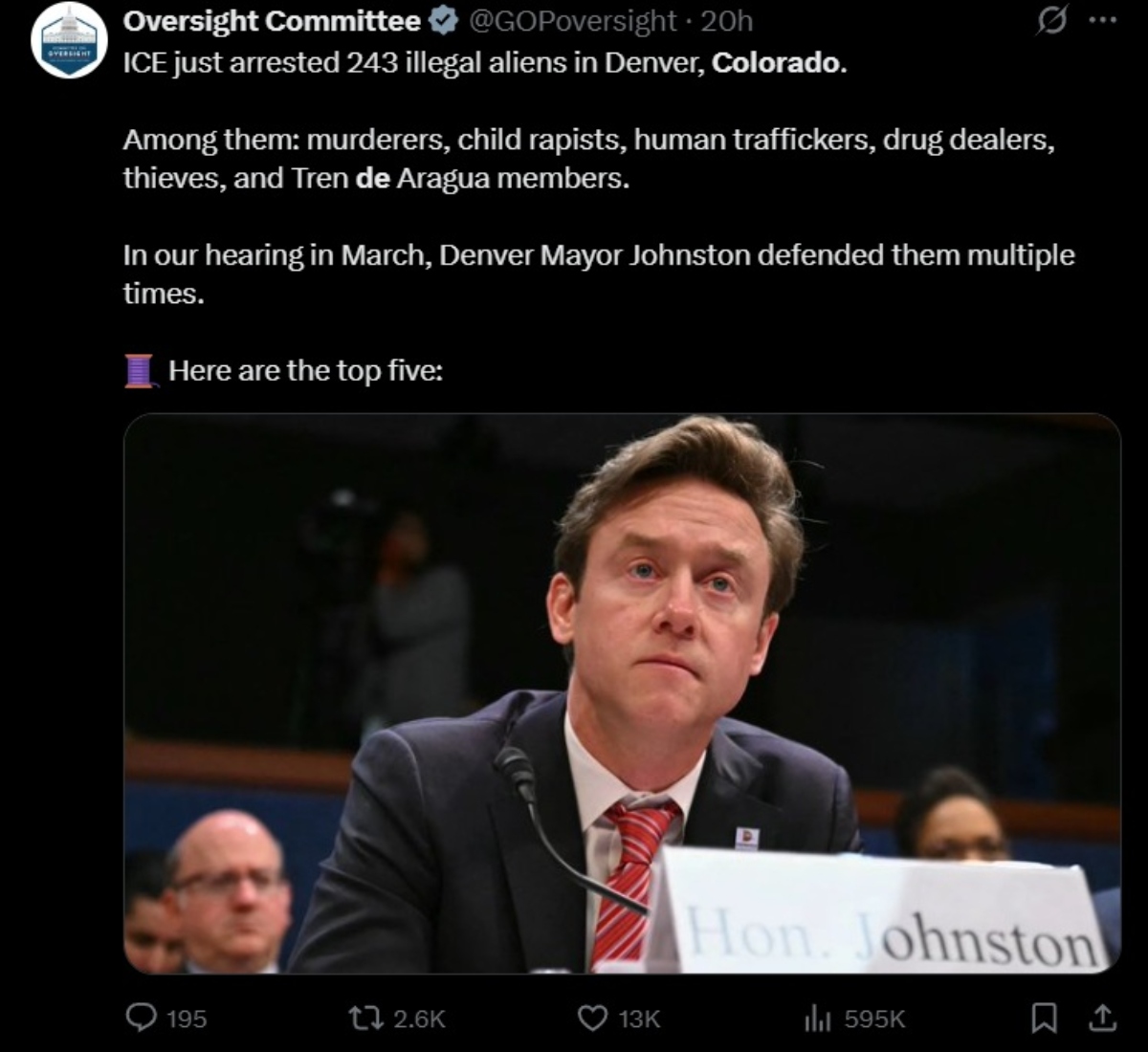
Colorado Attorney General Phil Weiser filed a lawsuit against local authorities for collaborating with ICE, alleging violation of state laws.
There is also a growing clash between the federal approach and state laws regarding due process.
Why does it matter to the Hispanic reader?
50 had active deportation orders
QuéOnnda.com
Community impact: Raids provoke fear in Latino neighborhoods and can affect people even without a criminal record.
Legal rights: Colorado prohibits the use of local jails as ICE immigration-only holds in Denver, which keeps deputies in discussions about interagency cooperation.
Public security and justice: Arrests prior to court hearings can hinder criminal proceedings and affect victims, in addition to generating legal tensions.
For more information, visit QuéOnnda.com.