





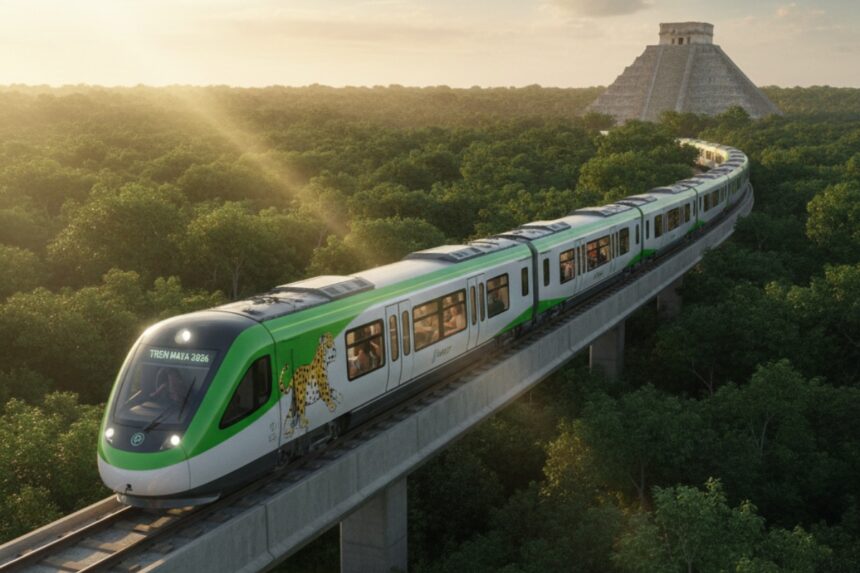
The Tren Maya. The most controversial and ambitious project in southeastern Mexico is already running at full speed in 2026. It runs 1,554 kilometers connecting Chiapas, Tabasco, Campeche, Yucatan and Quintana Roo.
But let’s be honest: as travelers, we don’t care about politics, we care about convenience. Is it faster? Is it too expensive? Are the stations in the middle of nowhere? We got on board to tell you the truth so you don’t throw your money away. All about the Tren Maya prices and routes.
The quick verdict: Yes or No?
🚆🌍 International sales underway!
El Tren Maya will begin marketing tickets in Europe through an alliance with Germany’s @FlixBus, with trips available from February 1, 2026 🇩🇪✈️ #TrenMaya #Tourism #Mexico #FITUR2026 pic.twitter.com/jBGl3id9El– SDP Noticias (@sdpnoticias) January 29, 2026
YES it is worth it if: You want comfort, powerful air conditioning, clean bathrooms and panoramic views. It is ideal for families and for moving between airports (Cancun/Tulum) and tourist areas.
NOT worth it if: You are traveling on an extreme backpacker’s budget (the bus is still cheaper for foreigners) or if you are in a big hurry (transfers to stations can take up time).
The routes that DO suit (the jewels)
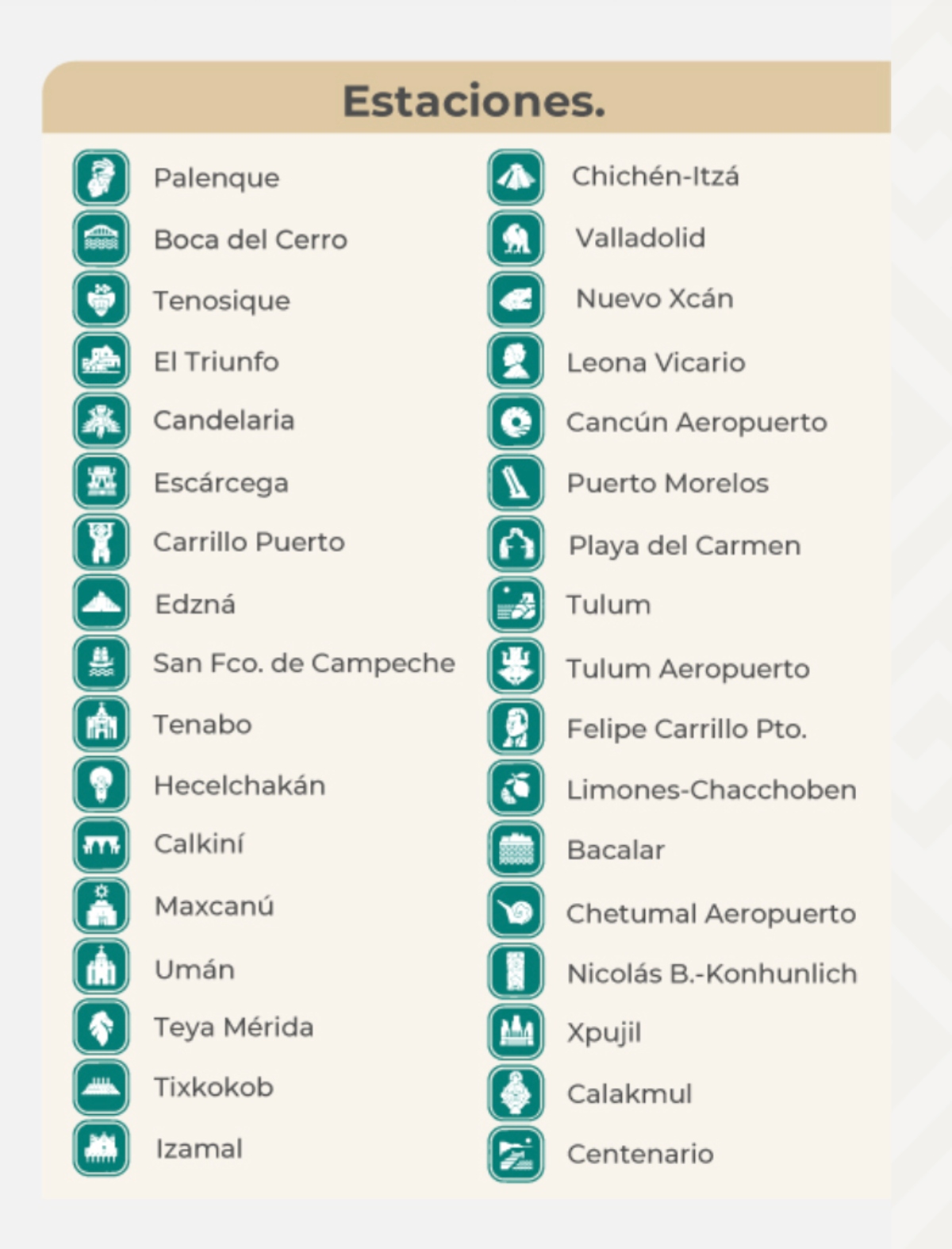
Not all sections of the railroad are equal. These are the winners:
Cancun – Tulum Airport: The star route. Forget the horrible traffic on the federal highway. The train leaves you connected and safe in less time.
Merida – Chichen Itza: Classic and comfortable. You arrive rested at the archaeological site (although be careful, from the station to the ruin you have to take a connecting shuttle).
The Jungle Route (Palenque – Calakmul): This is the route for the adventurous. You go through the deep jungle. Seeing Calakmul was difficult before; now it is much more accessible.
Let’s talk about money: The tariff system
Construction progress on the Trèn Maya, a 1500km railway network set to open later this year connecting the Mexican state of Yucatán!!! pic.twitter.com/xsqSpIBL1E
– J (@julestrainman) May 31, 2023
This is where many get confused. In 2026, there are three very different prices for the same seat:
Premises (INE credential of the area): Super cheap. It is a subsidy for people to go to work.
National (Mexican): Fair price. A little more expensive than the first class bus, but much more comfortable.
International (Foreign): Expensive. Be prepared to pay European-style rates. If you are visiting with foreign friends, warn them that they will pay double or triple what you pay.
“What no one tells you” (the fine print).
This is vital for your logistics:
Stations are not always in the “Center”:
Example: The Mérida station (Teya) is not in the center of Mérida; it is on the outskirts. You have to pay an Uber or take the electric “Ie-Tram” transport to get to the center (about 20-30 min extra).
Example: The Tulum station is near the airport and Jaguar Park, not in the beach hotel zone.
Book early: On popular routes (weekends or vacations), tickets sell out quickly, especially Premier Class.
Onboard experience
How does it feel?
Economy Class: Very dignified. Reclining seats, USB sockets and large windows.
Vagón Cafeteria: Yes, they sell panuchos, cochinita and coffee, but at airport prices. Bring your snacks if you want to save!
Air Conditioning: It’s a blessing. The heat in the southeast is brutal and inside the train you are always cool.
Conclusion: The Mayan Train in 2026 is an excellent option for comfort tourism. If you value legroom and safety, get on it. It’s the most beautiful way to see the jungle without having to drive.
Filed under: Tren Maya prices and routes