






Recent federal enforcement policies in Washington DC have directly affected immigrants and people in vulnerable situations. In light of this situation, several community organizations and solidarity networks have strengthened their services to assist those facing detention, homelessness or food insecurity.
The support network in the capital has become a pillar for many Latino families, who find in these initiatives a respite from immigration and economic pressures.
Networks and organizations that make up the DC support network
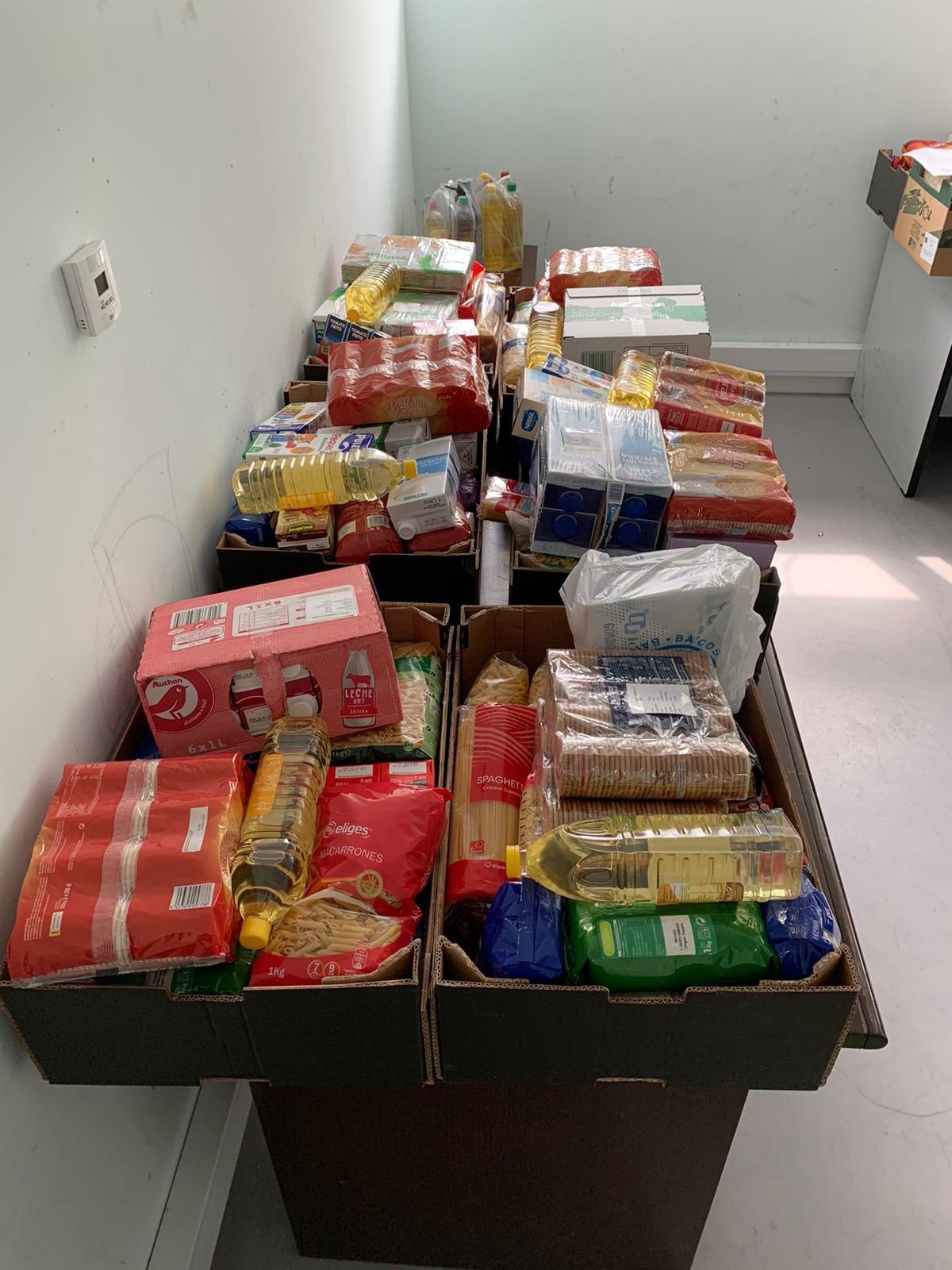
In recent months, local organizations have registered an increase in requests for assistance and in the participation of volunteers.
The DC Migrant Solidarity Mutual Aid Network has seen significant growth in calls to its hotline, primarily to report ICE operations and request urgent assistance.
The response includes the delivery of food, clothing, temporary housing support and legal accompaniment. Their emergency immigration contact line is (202) 335-1183.
Miriam’s Kitchen, dedicated to serving the homeless, serves about 200 meals a day, a higher-than-average number.
In addition to food, they need volunteers to participate in regular days and specific donations, such as ground coffee, a resource that is always in short supply.
In neighborhoods such as Columbia Heights and Petworth, Ward 1 Mutual Aid maintains a neighborhood network that delivers groceries, basic supplies and direct support to those in need.
These initiatives are joined by Ayuda, an organization that offers social programs, interpretation services and legal assistance to immigrants in the metropolitan area.
On the other hand, Amica connects asylum seekers and migrants with housing and basic needs, while Remora House provides tents, hygiene products and other essential supplies for the homeless.
Legal and emergency resources

Legal accompaniment is another key front of this support network in Washington DC.
Several institutions have set up contact lines and free services:
DC Public Defender Service: (202) 628-1200 for criminal cases.
ACLU-DC: available at acludc.org/intake or (202) 601-4269.
Washington Legal Clinic for the Homeless: free legal assistance and coordination with pro bono attorneys.
In terms of housing, the shelter hotline at 202-399-7093 provides emergency housing assistance, which is a vital resource for migrants and homeless families.
These entities not only provide legal guidance, but also seek to reduce the fear and misinformation that often surrounds the immigrant community regarding immigration enforcement policies.
How to get involved in the Washington DC support network
The strengthening of these networks would not be possible without the active participation of the community.
There are several ways to contribute directly:
Volunteering: organizations such as Miriam’s Kitchen offer free training to join regular shifts.
Donations: from coffee grounds to hygiene items, any contribution helps to cover basic needs.
Pro bono legal support: attorneys can join programs that assist immigrants in complex legal proceedings.
Dissemination of resources: sharing information in social networks and neighborhoods amplifies the reach of these initiatives.
The objective is to generate a multiplier effect, where the solidarity of neighbors and volunteers translates into security and stability for those facing vulnerability.
Additional resources in the CD support network
In addition to the organizations mentioned above, there are specific services for priority groups:
Youth Hotline: 202-547-7777.
Virginia Williams Family Resource Center: care for families with children, available at 202-526-0017.
Legal platforms such as LawHelp.org/dc or the Washington Lawyers’ Committee that gather information on legal assistance in Virginia, Maryland and DC.
These resources are interconnected to create a broader network that seeks to guarantee basic rights and reduce the impact of federal policies on immigrant communities.
The support network in Washington DC is today a fundamental mechanism of resistance and accompaniment for immigrants, especially Latinos, who face an increasingly challenging scenario.
Although immigration measures have toughened the landscape, these organizations maintain a firm commitment: to provide security, assistance and hope to those who need it most.
This article was originally published in Nueva News.