




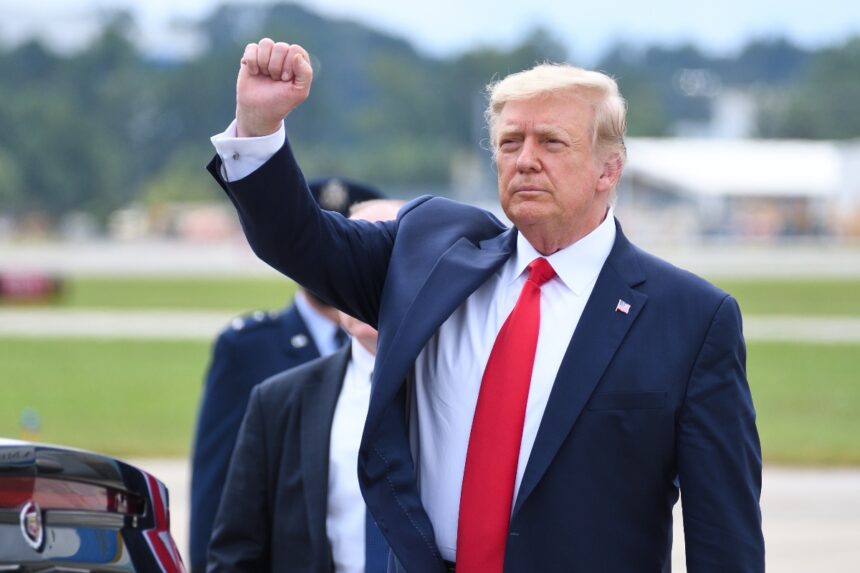
In August esye 2025, U.S. President Donald Trump’s administration asked the Supreme Court to overturn a lower court order banning so-called “roving patrols” by ICE in Southern California. These detainers, considered by courts as potential violations of the Fourth Amendment, have been banned when based solely on factors such as language, work or ethnicity.
The attorney general argued before the High Court that certain characteristics – such as speaking Spanish or working in construction – can increase the likelihood that someone is in the country illegally, and that this should be valid to support a detention.
Legal background: restrictions and more
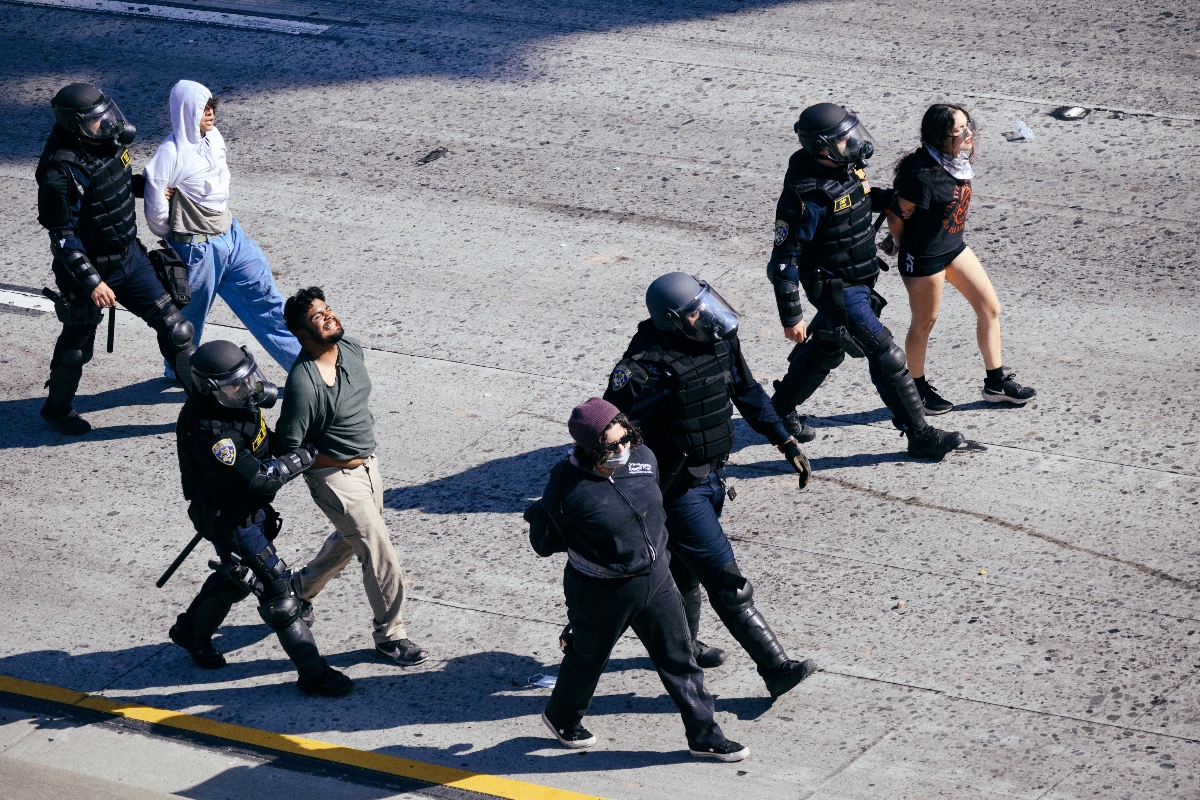
In July, U.S. District Judge Maame Ewusi-Mensah Frimpong, a Joe Biden appointee, issued an order restricting ICE detainers without reasonable suspicion.
These detentions have been banned when based solely on factors such as language, occupation or ethnicity
QuéOnnda.com
That is, they could not be based solely on language, ethnicity, location or type of employment.
The 9th Circuit Court upheld this decision, emphasizing that basing a detention solely on such factors is not constitutional.
Constitutional implications and reactions
The controversy highlights the clash between border security and civil rights.
The order has been considered a legal victory for immigrant advocates and local authorities in California who denounced discrimination in ICE policies.
In parallel, the U.S. Government maintains a defense based on applying broad criteria.
While organizations such as the ACLU warn of risks of arbitrariness and bias.
For the Hispanic community, this case represents a line in the sand regarding the protection of fundamental rights in the face of aggressive immigration policies.
The Supreme Court’s decision could redefine boundaries between authorization to detain aliens and protection from detention based on appearance or language.
This is critical for undocumented persons and Latino citizens.
For more information, visit QuéOnnda.com.