






As of last Friday, August 1, 2025, the U.S. Citizenship and Immigration Services (USCIS) is applying stricter guidelines for family-based green card petitions, including marriage-based petitions.
The official objective is to prevent fraud and frivolous petitions, and to ensure that the relationships presented to obtain the benefit are genuine, verifiable and comply with current immigration laws.
Key changes in the process

The new guidelines state that USCIS officials should require stronger documentary evidence to support the authenticity of family relationships.
Common requirements include:
Joint financial records, such as bank accounts or mortgages.
Evidence of cohabitation, such as lease agreements or utility bills.
Photographs and messages demonstrating the continuity of the relationship.
In addition, face-to-face interviews will be mandatory in most cases.
Even in requests that previously could be resolved administratively.
This measure applies to both pending and new requests, and seeks to reinforce direct verification by officers.
Initial approval does not ensure status
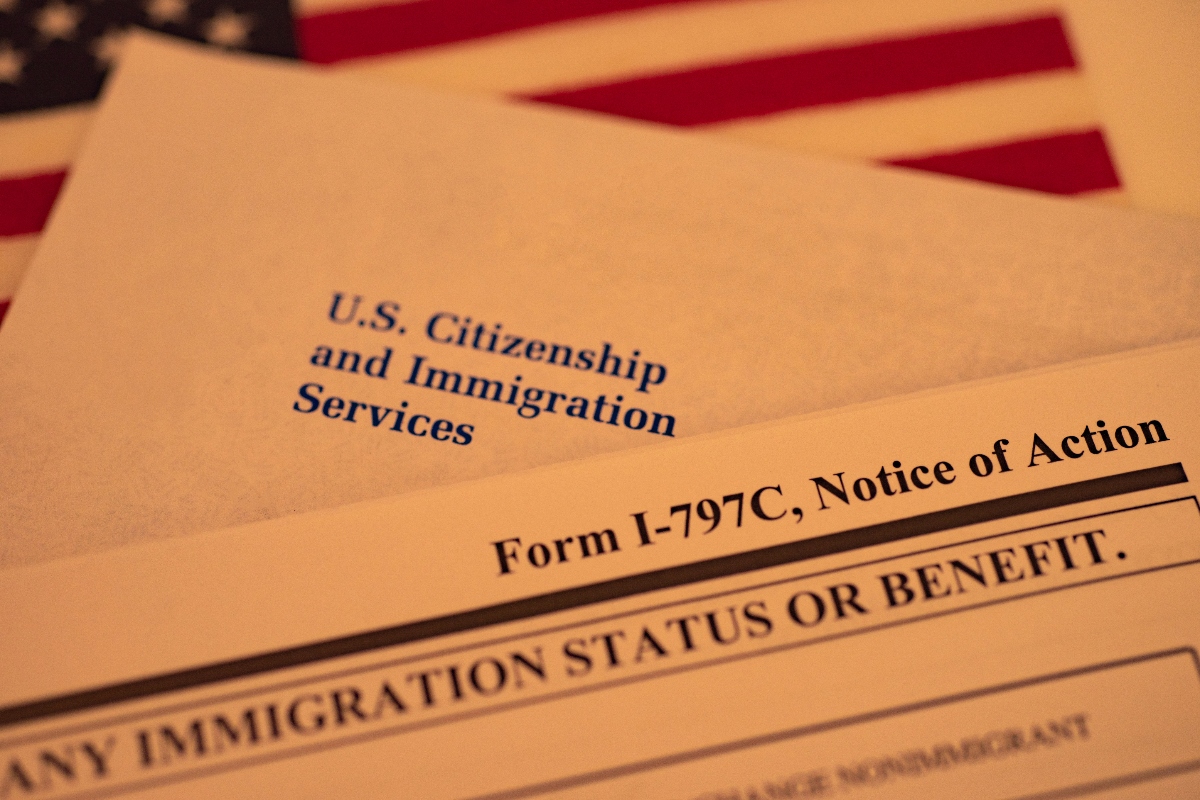
The official goal is to prevent fraud
QuéOnnda.com
One of the most relevant points is that the approval of the I-130 petition is no longer interpreted as a safe passage to residency.
USCIS clarifies that this approval does not grant immigration status or protection from deportation.
In cases where it detects inabilities or risks, the agency may issue a Notice to Appear(NTA) to initiate a removal process.
This includes situations where the applicant has a background that poses a threat to national security or public safety.
Context and consequences

These updates come at a time when USCIS faces more than 11 million pending cases.
A record number that has lengthened wait times for thousands of families.
Immigration experts attribute this delay to policies that now prioritize interviews in almost all cases.
This increases the workload and slows down processing.
This means that those seeking to regularize their status must be prepared to wait longer and meet stricter requirements.
For more information, visit QuéOnnda.com.