



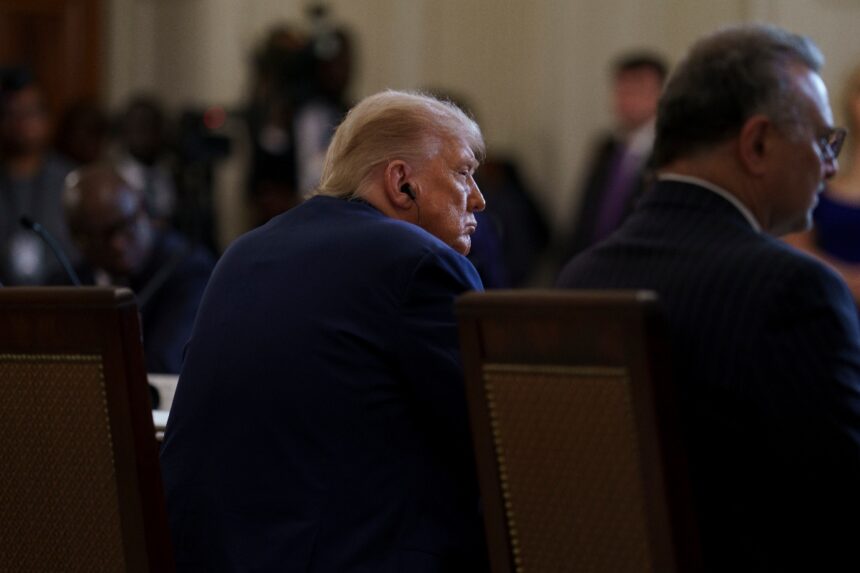
In July 2025, a federal judge in New Hampshire issued a preliminary injunction temporarily blocking the controversial measure pushed by President Donald Trump, which sought to eliminate birthright citizenship in the United States.
The decision represents a major victory for civil and immigration rights advocates, and guarantees, for now, the protection of the 14th Amendment to the Constitution for all children born in the United States, regardless of the immigration status of their parents.
What does the court decision say?
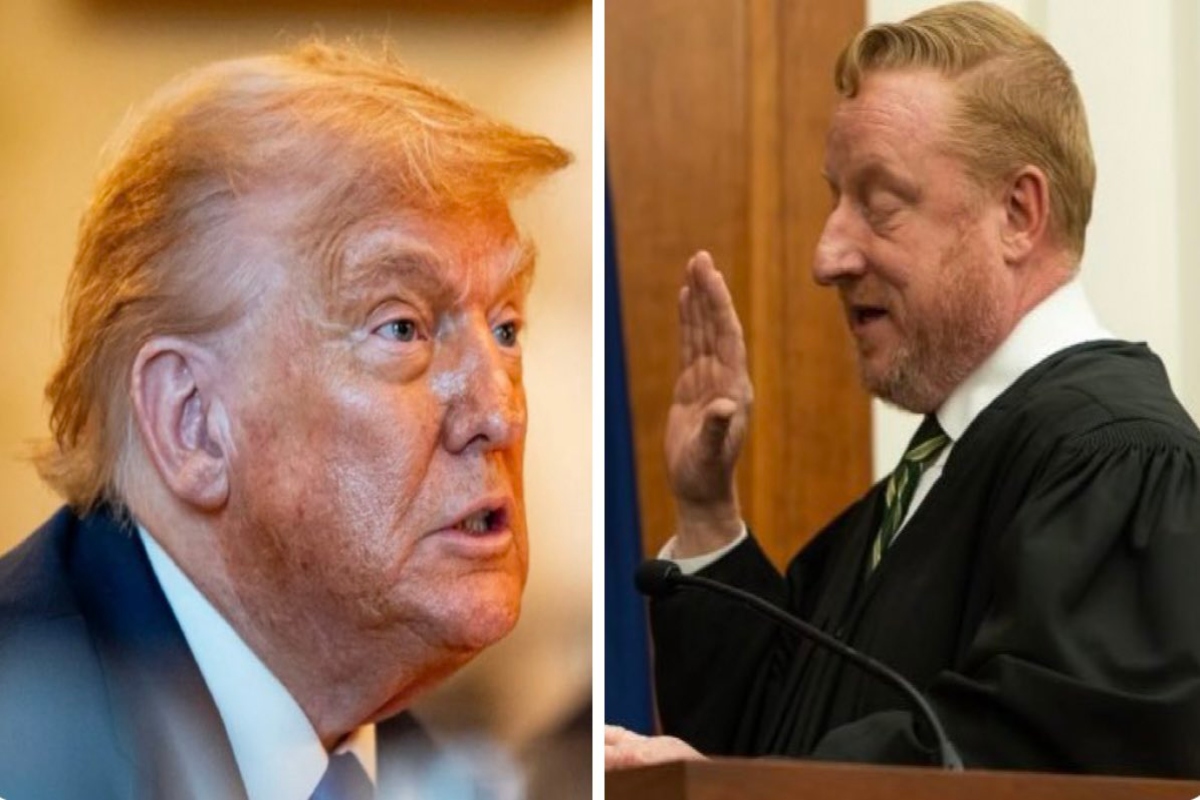
Federal Judge Joseph Laplante, appointed at the time by President George W. Bush, declared that revoking birthright citizenship “would cause irreparable harm.”
Moreover, it would contradict more than a century of constitutional jurisprudence.
Despite the temporary suspension, Laplante granted a seven-day pause for the federal government to appeal the measure.
This ruling stems from a class action lawsuit filed by the American Civil Liberties Union(ACLU).
This on behalf of a Honduran woman known as Barbara, who is awaiting political asylum and is pregnant with a child to be born in the U.S. in October 2025.
The protection of the 14th Amendment
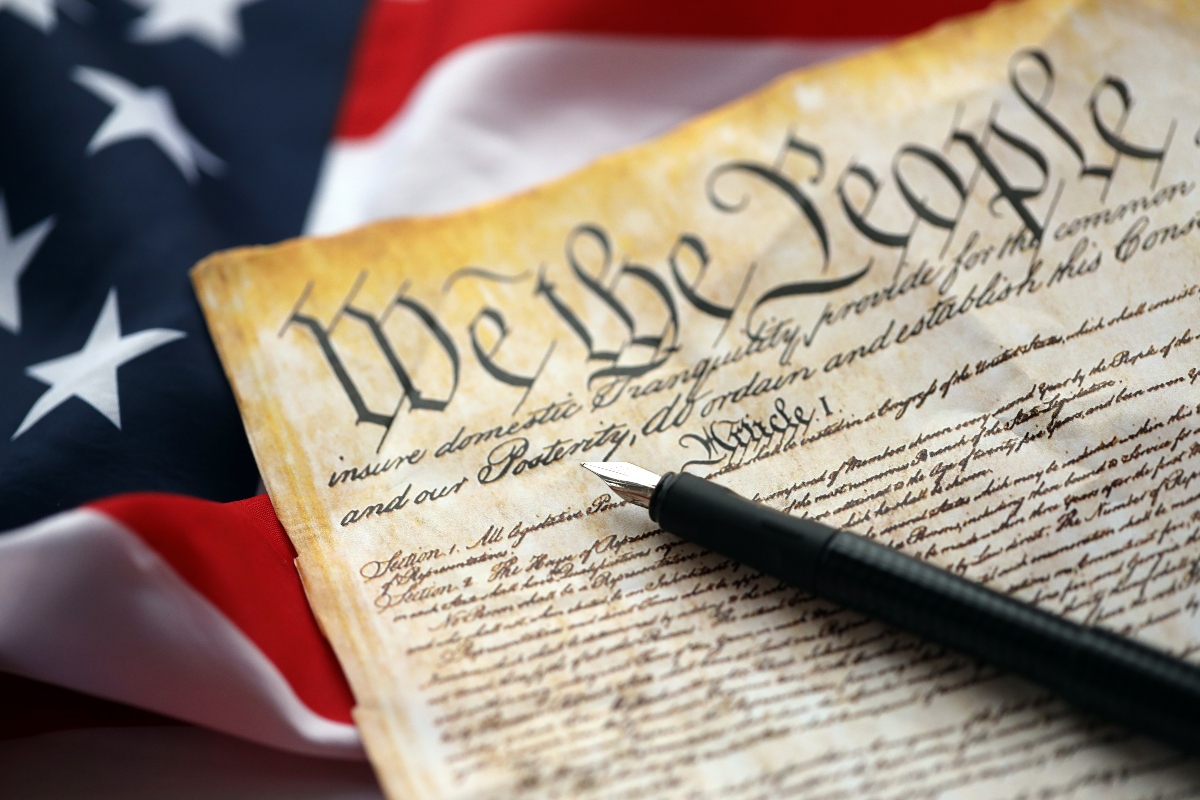
The 14th Amendment to the U.S. Constitution guarantees birthright citizenship to anyone born on U.S. soil.
It is a principle supported by the landmark 1898 United States v. Wong Kim Ark decision.
This doctrine has been a pillar for the rights of millions of people born in the country, regardless of the immigration status of their parents.
Trump’s executive order, signed on the second day of his second term, sought to reinterpret this amendment to exclude children of undocumented immigrants, something without legal precedent or explicit congressional support.
Scope of the ruling
Judge Laplante clarified that his decision protects “existing and future children” who would be born under the threat of losing their automatic birthright to citizenship.
However, the ruling does not extend this direct protection to the parents, as requested in the lawsuit.
The decision represents a significant victory for civil and immigrant rights advocates
Although this is the second time that Laplante has spoken out against the same executive order (the first time in February 2025, but with limited scope), this time it does so on a national basis.
This adds further legal weight and could set a precedent if the appeal is rejected by higher courts.
What’s next?
Constitutional experts foresee a protracted battle that will likely reach the Supreme Court.
In 2023, the same court allowed certain restrictive Trump immigration policies to move forward, but stopped short of directly addressing birthright citizenship revocation.
In the meantime, organizations such as the ACLU and human rights groups will continue to litigate to ensure that birthright citizenship remains a universal right within the United States.
For more information, visit QuéOnnda.com.