





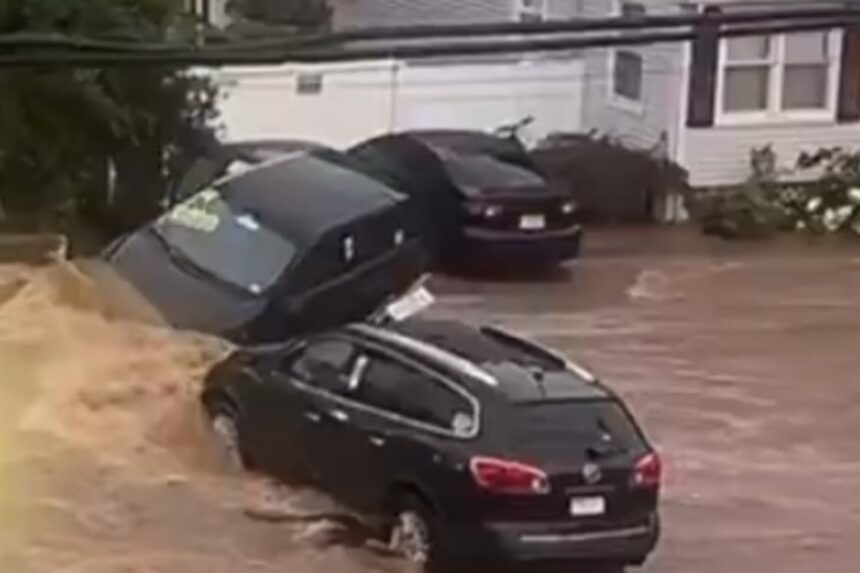
Torrential rains and thunderstorms have put much of the northeastern United States in a state of emergency. Densely populated cities such as New York, Philadelphia, Newark and Hartford face the risk of flash flooding, while authorities are urging people to avoid unnecessary travel and to follow official reports.
The National Weather Service(NWS) has issued active warnings for the states of New York, New Jersey, Pennsylvania, Connecticut and parts of Massachusetts due to a storm system that has intensified since Monday afternoon.
Which areas are most at risk?
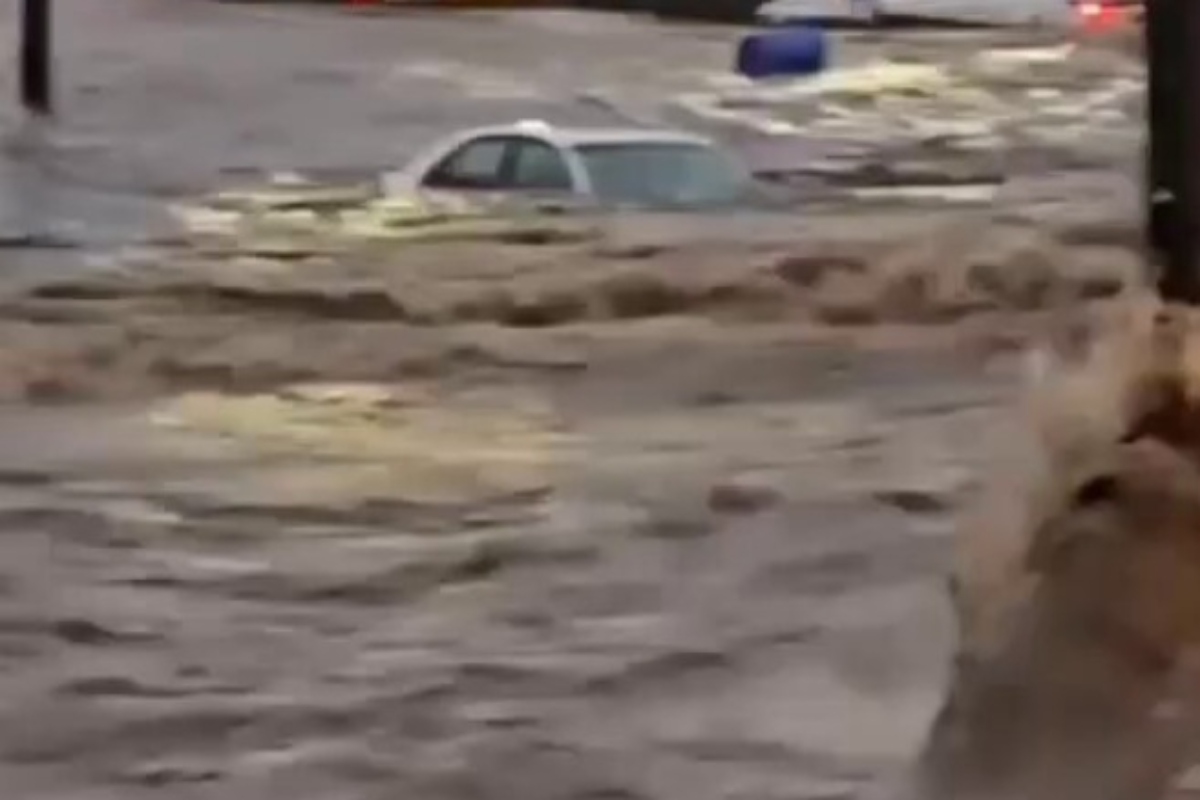
The most affected areas include:
The five boroughs of New York City (Brooklyn, Bronx, Manhattan, Queens and Staten Island)
Westchester, Rockland and Dutchess Counties (NY)
Philadelphia and Levittown (Pennsylvania)
Bergen County and Camden County (New Jersey)
Hartford and New Haven (Connecticut)
In New Jersey, Governor Phil Murphy declared a state of emergency, due to the accumulation of water on roads and in neighborhoods, especially in the center of the state.
Newark Airport suspended all flights until further notice, and severe flooding is reported in coastal cities.
In New York, Governor Kathy Hochul warned of “severe conditions” on Hudson Valley roads.
Flood rescues have also been conducted in areas of Westchester.
La Guardia Airport and JFK have reported cancellations and delays in excess of 3 hours, affecting thousands of travelers.
What to do if you are in an affected area?

The authorities recommend:
Do not drive through flood areas, as the water may be deeper than it appears.
Avoid basements or crawl spaces during heavy rains.
Watch for local alerts on TV, radio or mobile apps.
Check flight status before heading to airports in the Northeast.
It is also recommended to have an emergency kit ready with water, non-perishable food, flashlight, important documents and basic medicines.
A worrying weather pattern

This emergency comes a week after the catastrophic floods in Texas, which left more than 120 dead and nearly 170 missing.
It is recommended to have an emergency kit ready
Meteorologists point out that climate change is intensifying extreme phenomena.
This makes rainfall more violent and dangerous, especially in urban areas.
For more information, visit QuéOnnda.com.