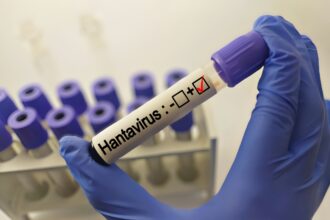






In a world still recovering from the trauma of 2020, any news of a viral outbreak generates an echo of anxiety. The recent health crisis on the MV Hondius cruise ship has put the name hantavirus in all the headlines, but are we really facing a threat similar to Covid-19? The answer from science is a resounding no.
Researcher Noemí Sevilla, director of the Center for Animal Health Research (CISA) in Spain, assures that, although the alarm is understandable, hantavirus is an old acquaintance of medicine and its rules of the game are totally different from those of the coronavirus.
Hantavirus vs Covid
JUST IN: The World Health Organization is trying to ease global concerns about the recent hantavirus outbreak on a cruise ship, drawing comparisons to the early days of the COVID-19 pandemic.
Dr. Maria Van Kerkhove clarifies that the newly identified hantavirus is vastly… pic.twitter.com/UdAaf2q8zt
– Fox News (@FoxNews) May 7, 2026
The biggest difference lies in the efficiency of propagation.
In epidemiology, the “R-value” measures how many people a single infected individual can infect.
Covid-19: At its highest peaks, the R-value reached 5.
Hantavirus: Its R value is less than 1.
This means that hantavirus has a “very low” transmission capacity.
While Covid-19 is remarkably adapted to travel through the air over long distances, hantavirus requires close, prolonged and very short distance contact.
In simple terms: it is a “clumsy” virus to jump from one person to another.
What makes it different from Ebola or Coronavirus?
Hantavirus Andean strain and COVID-19: more contagious coronavirus but more lethal hantavirus, WHO assures that “we are not at the beginning of a pandemic or an epidemic” pic.twitter.com/JH2a6U8Txz
– Noticias Cuatro (@noticias_cuatro) May 7, 2026
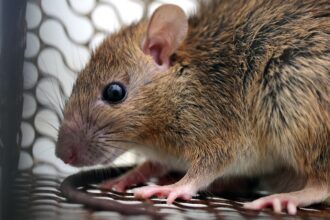
Hantavirus is a zoonosis, i.e. it is transmitted from animals (mainly rodents) to humans.
Unlike Ebola, which spreads rapidly between people, or SARS-CoV-2, which became adept at infecting human lungs, hantavirus often remains “trapped” in the original host.
Even the ‘Andes’ strain – the only one detected in the cruise ship outbreak that has the capacity for human-to-human transmission – continues to maintain this very low rate of infection.
According to Sevilla, quarantine and evacuation protocols are more than sufficient to nip the chain of transmission in the bud.
Is there a vaccine?
🦠😷 “This is not the beginning of a new pandemic”: doctor Francisco Moreno explains that hantavirus, although aggressive, is not a new virus as happened with COVID and neither is it easily contagious. @JoseCardenas1 on #FórmulaNoticias. pic.twitter.com/S5HuT4OApL
– Grupo Fórmula (@Radio_Formula) May 8, 2026
Unlike other viruses, there is no universal vaccine or prophylaxis against hantavirus.
This is due to their great genetic variability.
However, this should not be cause for alarm.
As the virus is so closely monitored and transmission so inefficient, the best “vaccine” remains environmental control and compliance with sanitary protocols.
Everything under control
The Andes strain is the only hantavirus that can spread person to person at all, but it still requires close, prolonged contact like sharing a bed, intimate contact, or heavy exposure to bodily fluids from someone who’s symptomatic. It’s not like COVID or flu that spreads through. .. https://t.co/xbanSVw3YC
– Chay Bowes (@BowesChay) May 6, 2026
The conclusion of the experts is clear: the situation on the cruise ship is limited.
Although passengers are being tracked in states such as Texas, California and Georgia, the risk of hantavirus causing a global health emergency is minimal.
Today’s healthcare system is much more prepared and, unlike in 2020, here we know exactly what we are up against.
What about you Onnda, do you feel more at ease knowing that science has had hantavirus under the microscope for decades?
QuéOnnda brings you the truth without filters.
Filed under: Hantavirus vs Covid