




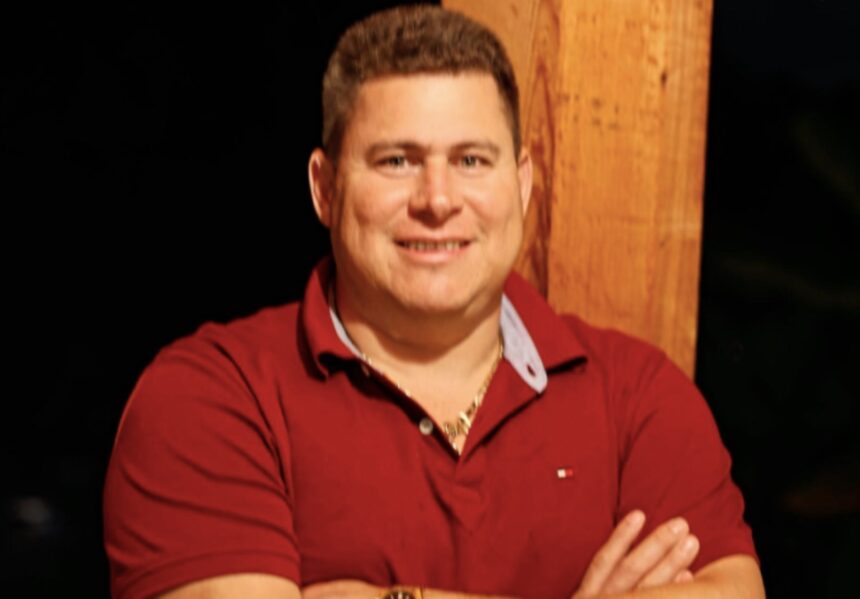
On June 14, 2025, Mario Guevara, a Salvadoran journalist and founder of the independent media outlet MG News, was arrested while covering live a “No Kings” protest in Doraville, Georgia.
Despite being clearly identified as a member of the press, he was arrested by DeKalb County police and charged with obstruction of justice, unlawful assembly and walking on public streets. These charges were later dismissed for lack of evidence.
Transfer to ICE custody and additional fees
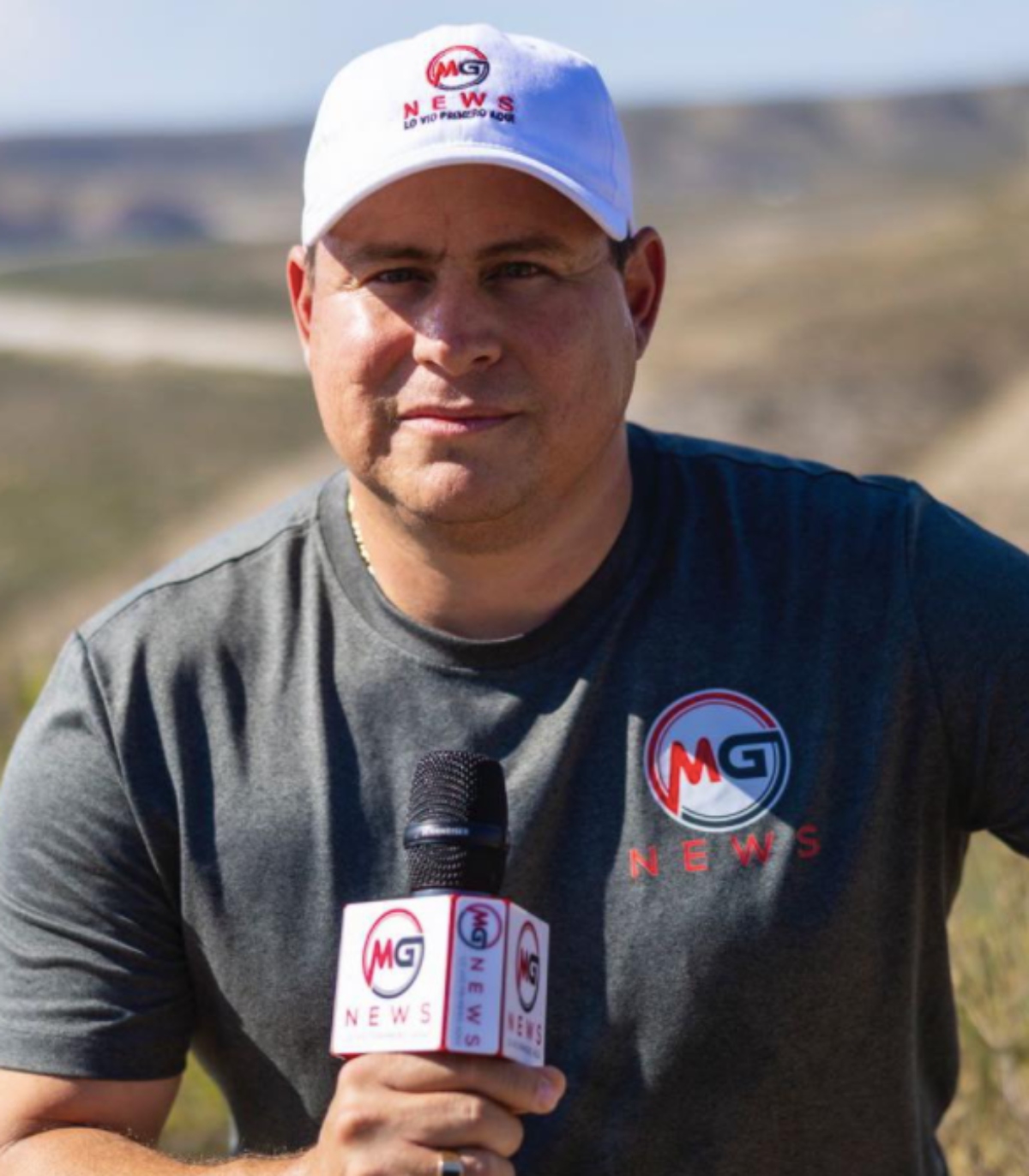
Following the dismissal of the charges in DeKalb, Guevara was turned over to Immigration and Customs Enforcement (ICE) due to an immigration detainer.
He was subsequently transported to the Gwinnett County Jail to face charges unrelated to his initial arrest, including reckless driving, illegal use of wireless devices and failure to obey traffic control devices.
Bail and immigration status
On July 1, an immigration judge granted Guevara a $3,900 bond, allowing him to continue his immigration proceedings at liberty.
However, he faces a hearing scheduled for July 31, as the prosecution has appealed the judge’s decision, reported ‘Telemundo Atlanta’.
Reactions and concerns about freedom of the press
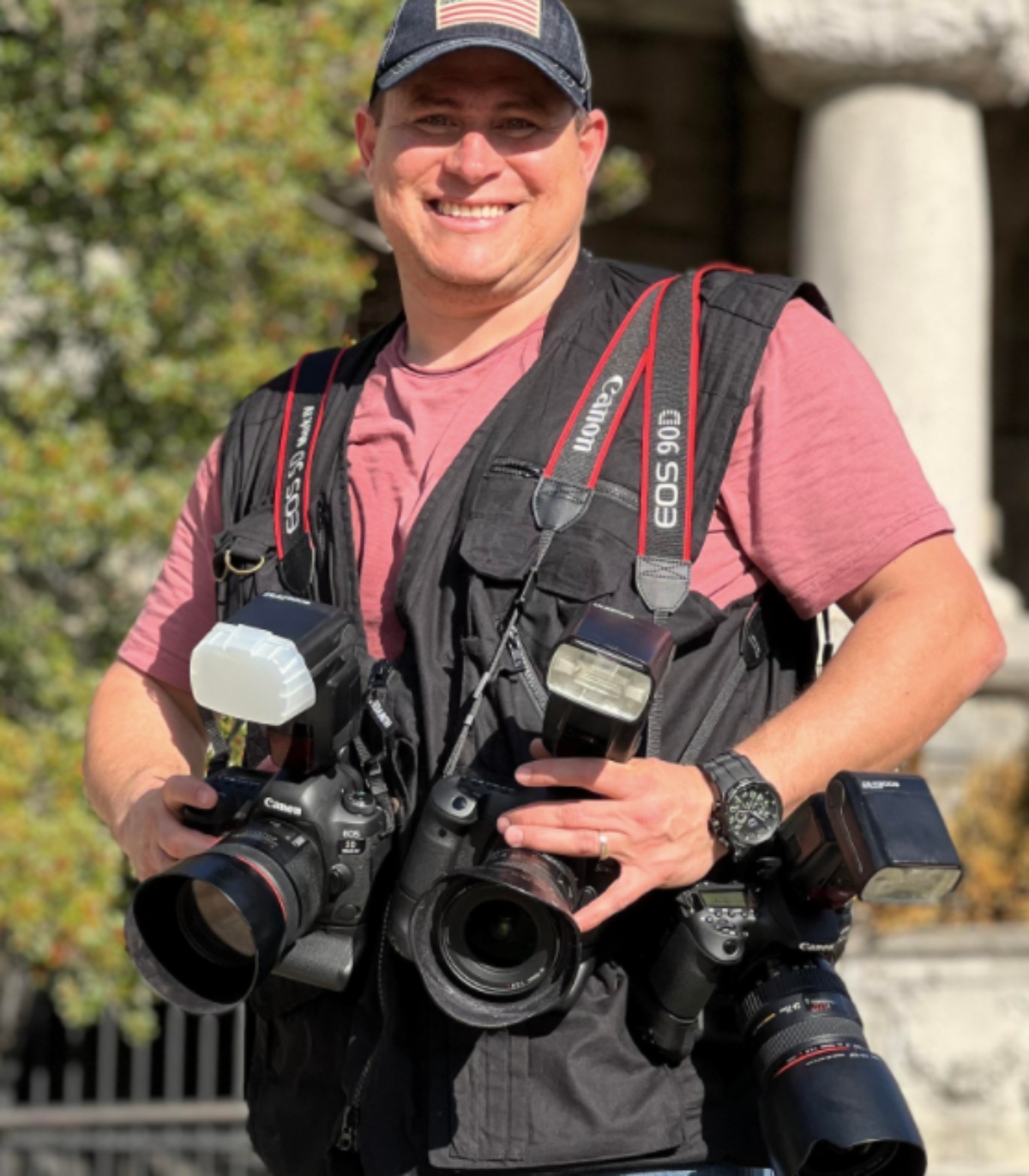
Guevara’s detention has generated concern among press freedom organizations, such as the Committee to Protect Journalists (CPJ), which have expressed alarm about the impact this case could have on the practice of journalism, especially for immigrant reporters.
El salvadoreño fue enviado a Gwinnett por cargos de conducción imprudente, pasarse una luz roja y utilizar el celular mientras conducía su automóvil
Family and community support for Mario Guevara
Guevara’s family, including his U.S. citizen son, has been actively involved in his defense, highlighting his work permit and pending application for permanent residency.
The Hispanic community in Georgia has shown solidarity, highlighting the importance of his journalistic work in covering immigration issues.
Mario Guevara’s case continues to be closely watched by immigrant rights and press freedom advocates, who believe his situation represents a significant precedent in the intersection of immigration and journalism in the United States.
Find out more at QuéOnnda.com’.